Understanding Gold Karats: 10K, 14K, 18K, and 24K


Gold karats represent the purity of gold in a piece of jewelry. Pure gold, or 24K gold, is 100% pure. Lower karat numbers indicate less pure gold. For instance, 10K gold contains 41.7% pure gold, while 14K gold contains 58.3% pure gold. Understanding gold purity helps consumers make informed decisions about their purchases. Knowing the best gold karat for different uses ensures that buyers get the right balance of durability, color, and value.
What Are Gold Karats?
Definition of Karats
Historical Background
The concept of karats dates back to the mid-16th century. The term "karat" originated from the ancient system of carats used to measure gold purity. This system is based on 24 parts by weight. Gold, known as Aurum in Latin, means “Glowing Dawn,” which refers to the golden glow of pure gold. Over time, the karat system became the standard for measuring gold purity. Jewelers and goldsmiths adopted this system to ensure consistency in gold quality.
How Karats Are Measured
Karats measure the purity of gold in a piece of jewelry. Pure gold is 24 karats, meaning it contains no other metals. Each karat represents 1/24th of the whole. For example, 18K gold has 18 parts pure gold and 6 parts other metals. This ratio determines the gold's purity level. Jewelers use precise instruments to measure these ratios. The karat value directly influences the gold's color, durability, and value.
The Significance of Karats in Gold
Impact on Value
The karat value significantly impacts the value of gold. Higher karat gold, like 24K, has a higher gold content, making it more valuable. Lower karat gold, such as 10K, contains more alloy metals, reducing its value. Investors often prefer higher karat gold for its purity and investment potential. Jewelry buyers may choose different karat levels based on budget and aesthetic preferences.
Impact on Durability
The durability of gold varies with its karat level. Pure gold (24K) is soft and prone to scratching. Adding alloy metals increases the hardness of gold. For instance, 10K gold is more durable than 24K gold due to its higher alloy content. This makes lower karat gold suitable for everyday wear. Higher karat gold, while more valuable, requires careful handling to avoid damage.
Detailed Breakdown of Gold Karats
10K Gold
Composition and Purity
10K gold contains 41.7% pure gold and 58.3% other metals. This composition makes 10K gold the least pure among commonly used gold karats. The alloy metals often include copper, silver, zinc, or nickel. These metals enhance the durability of 10K gold.
Common Uses
10K gold is frequently used in affordable jewelry. Earrings, bracelets, and necklaces often feature 10K gold. The high alloy content makes 10K gold suitable for items that endure daily wear and tear. Many budget-conscious consumers prefer 10K gold for its affordability and resilience.
Pros and Cons
Pros:
Extremely durable due to high alloy content.
More affordable than higher karat gold.
Less prone to scratching and bending.
Cons:
Lacks the rich color of higher karat gold.
May cause allergic reactions due to higher alloy content.
Not recommended for high-value jewelry like engagement rings.
14K Gold
Composition and Purity
14K gold consists of 58.3% pure gold and 41.7% other metals. This blend offers a balance between purity and durability. The alloy metals in 14K gold typically include copper, silver, and zinc. This composition provides a good mix of strength and aesthetic appeal.
Common Uses
14K gold is popular for engagement rings, wedding bands, and other fine jewelry. About 90% of gold jewelry sales in the United States involve 14K gold. The balance of durability and elegance makes 14K gold ideal for various jewelry pieces.
Pros and Cons
Pros:
Offers a good balance of durability and beauty.
More affordable than 18K and 24K gold.
Suitable for everyday wear and special occasions.
Cons:
Less pure than 18K and 24K gold.
May still cause allergic reactions in sensitive individuals.
Slightly less durable than 10K gold.
18K Gold
Composition and Purity
18K gold contains 75% pure gold and 25% other metals. This high level of purity gives 18K gold a richer color compared to lower karat golds. The alloy metals in 18K gold usually include copper, silver, and palladium. This composition makes 18K gold denser and heavier.
Common Uses
18K gold is often used in high-end jewelry. Engagement rings, luxury watches, and investment pieces frequently feature 18K gold. The deep color and substantial feel make 18K gold a preferred choice for those seeking premium quality.
Pros and Cons
Pros:
High purity with a rich, deep color.
Feels more substantial and luxurious.
Suitable for investment pieces and special occasions.
Cons:
More expensive than 10K and 14K gold.
Softer and more prone to scratching.
Requires careful handling and maintenance.
24K Gold
Composition and Purity
24K gold contains 100% pure gold. No other metals mix with 24K gold. This purity gives 24K gold its distinct, rich yellow color. The absence of alloy metals makes 24K gold the softest among all gold karats. Jewelers often avoid using 24K gold for intricate designs due to its malleability.
Common Uses
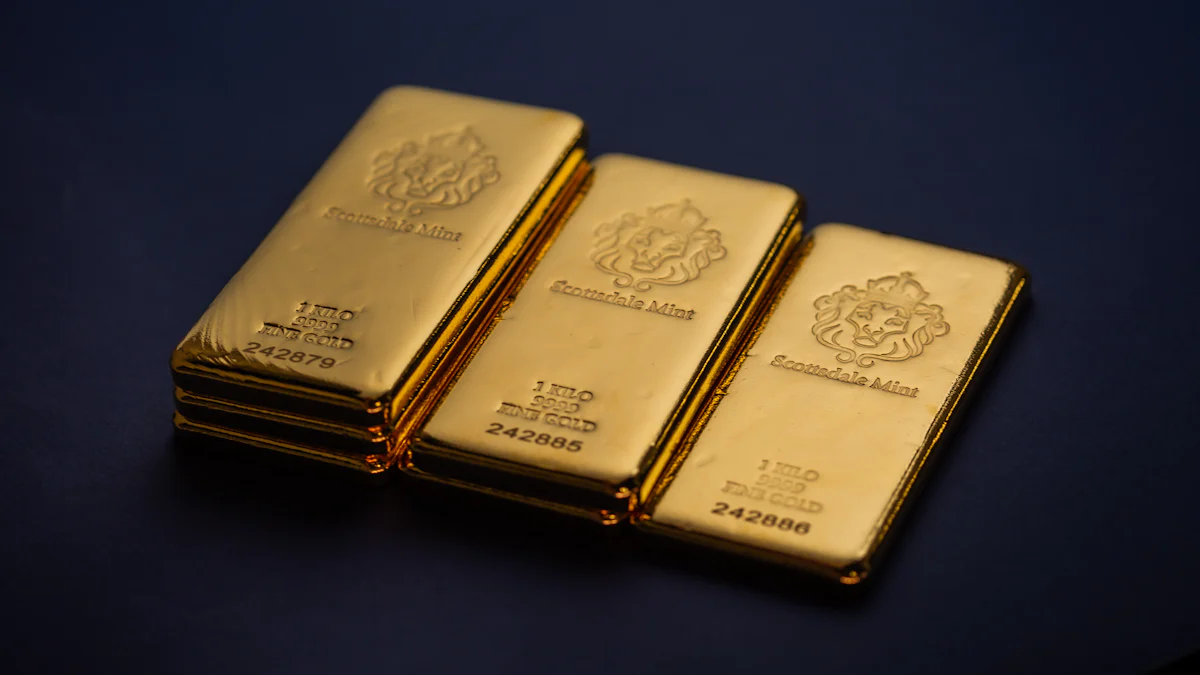
24K gold finds its primary use in investment pieces. Gold bars and coins often consist of 24K gold. Some cultures prefer 24K gold for traditional jewelry. These pieces usually serve ceremonial purposes rather than everyday wear. Collectors and investors value 24K gold for its purity and potential appreciation over time.
Pros and Cons
Pros:
Highest purity level with 100% gold content.
Rich, vibrant yellow color.
Ideal for investment and ceremonial pieces.
Cons:
Extremely soft and prone to scratching.
Higher cost compared to lower karat gold.
Comparing Different Gold Karats
Visual Differences
Color Variations
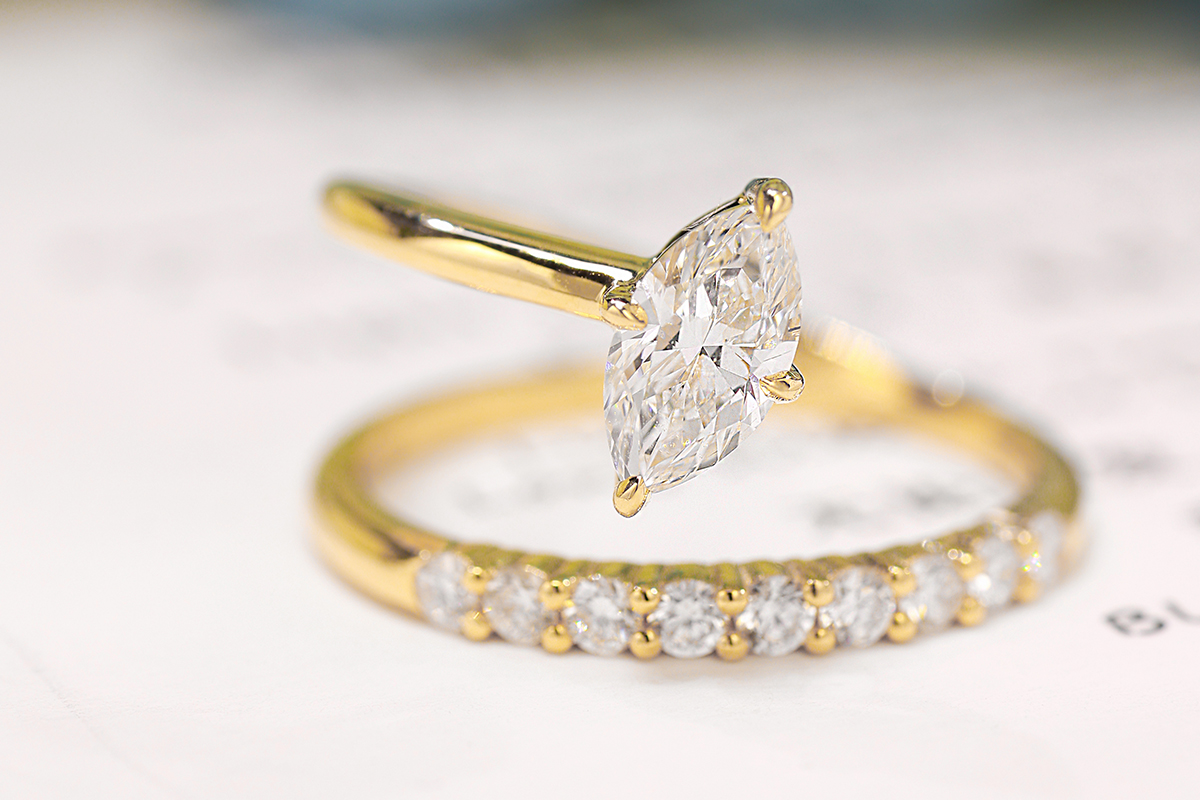
Gold karats influence the color of gold jewelry. 24K gold has a bright yellow color due to its pure gold content. 18K gold appears slightly less yellow but still rich in color. 14K gold has a more subdued yellow hue because of the higher alloy content. 10K gold often looks paler and less vibrant. The color variations help buyers choose the best gold karat for their preferences.
Luster and Shine
The luster and shine of gold also depend on the karat level. 24K gold exhibits a radiant, glowing shine. 18K gold maintains a high level of shine with a slightly muted tone. 14K gold offers a balanced shine that appeals to many buyers. 10K gold has a more subtle shine, making it less flashy. The luster and shine guide buyers in selecting the best gold karat for their needs.
Practical Considerations
Durability and Wear
Durability varies significantly among different gold karats. 24K gold is soft and prone to scratching, making it unsuitable for everyday wear. 18K gold offers better durability but still requires careful handling. 14K gold provides a good balance of durability and beauty, ideal for daily use. 10K gold is the most durable, perfect for items that endure frequent wear. Understanding durability helps buyers choose the best gold karat for their lifestyle.
Cost and Investment Value
The cost and investment value of gold differ based on the karat level. 24K gold is the most expensive due to its purity. 18K gold also commands a high price but offers a balance of purity and durability. 14K gold is more affordable while still maintaining good quality. 10K gold is the least expensive, making it accessible for budget-conscious buyers. Higher karat golds like 24K and 18K are often preferred for investment purposes. Lower karat golds like 14K and 10K are chosen for their affordability and practicality. Knowing the cost and investment value aids buyers in selecting the best gold karat for their financial goals.
Practical Tips for Choosing Gold Karats
Matching Karats to Purpose
Everyday Wear vs. Special Occasions
Choosing the best gold karat for everyday wear involves considering durability and practicality. 10K gold offers the highest durability due to its high alloy content. This makes 10K gold ideal for items like bracelets and rings that face daily wear and tear. 14K gold provides a good balance of strength and beauty, making it suitable for both everyday use and special occasions. 18K gold and 24K gold are softer and more prone to scratches. These higher karat golds are better suited for special occasions or pieces that require careful handling.
Investment Pieces
For investment purposes, higher karat golds like 18K gold and 24K gold are preferred. 24K gold contains 100% pure gold, making it highly valuable. 18K gold also holds significant value due to its high purity level. Investors often choose these karats for gold bars, coins, and high-end jewelry. Lower karat golds like 10K gold and 14K gold are less suitable for investment due to their lower gold content. These lower karat golds are better for practical, everyday jewelry rather than long-term investment.
Care and Maintenance
Cleaning Tips
Proper care and maintenance ensure that gold jewelry retains its luster and shine. Regular cleaning is essential, especially for pieces worn daily. Use a mild soap solution and a soft brush to clean gold jewelry. Avoid harsh chemicals that can damage the metal. Rinse thoroughly with warm water and dry with a soft cloth. For higher karat gold like 18K gold and 24K gold, handle with extra care to avoid scratches. Professional cleaning services can also help maintain the appearance of gold jewelry.
Storage Recommendations
Storing gold jewelry properly prevents damage and tarnish. Keep gold pieces in a soft-lined jewelry box or pouch to avoid scratches. Separate different karat golds to prevent them from rubbing against each other. Store higher karat gold like 24K gold in a secure location due to its high value. Avoid exposing gold jewelry to extreme temperatures and humidity. Regularly inspect stored pieces for any signs of wear or damage. Proper storage ensures that gold jewelry remains in excellent condition for years.
Frequently Asked Questions (FAQs)
Common Queries About Gold Karats
How to Identify Karat Markings
Identifying karat markings on gold jewelry helps determine the purity of the gold. Jewelers stamp these markings on inconspicuous areas, such as the inside of a ring band or the clasp of a necklace. The markings usually appear as numbers followed by the letter "K" or "kt." For example, "10K" indicates 10 karats, while "18K" signifies 18 karats. Some pieces may also display a three-digit number, like "750," which represents 18K gold with 75% purity. Using a magnifying glass can help read these small stamps clearly.
Differences Between Karats and Carats
Understanding the difference between karats and carats is essential for gold buyers. Karats measure the purity of gold, with 24K being pure gold. Each karat represents 1/24th of the total gold content. Carats, on the other hand, measure the weight of gemstones, such as diamonds. One carat equals 200 milligrams. Confusing these terms can lead to misunderstandings when purchasing jewelry. Always check whether the term refers to gold purity or gemstone weight.
Understanding gold karats helps buyers make informed choices. Each karat level offers unique benefits and drawbacks. Higher karat gold like 24K provides unparalleled purity and a rich color. Lower karat gold like 10K offers greater durability and affordability.
Choosing the right gold karat depends on individual needs. Consider factors like daily wear, special occasions, and investment potential. Proper care and maintenance ensure that gold jewelry retains its beauty and value.
Make informed decisions to enjoy the perfect balance of elegance, durability, and value in gold jewelry.
