Understanding Different Types of Diamonds

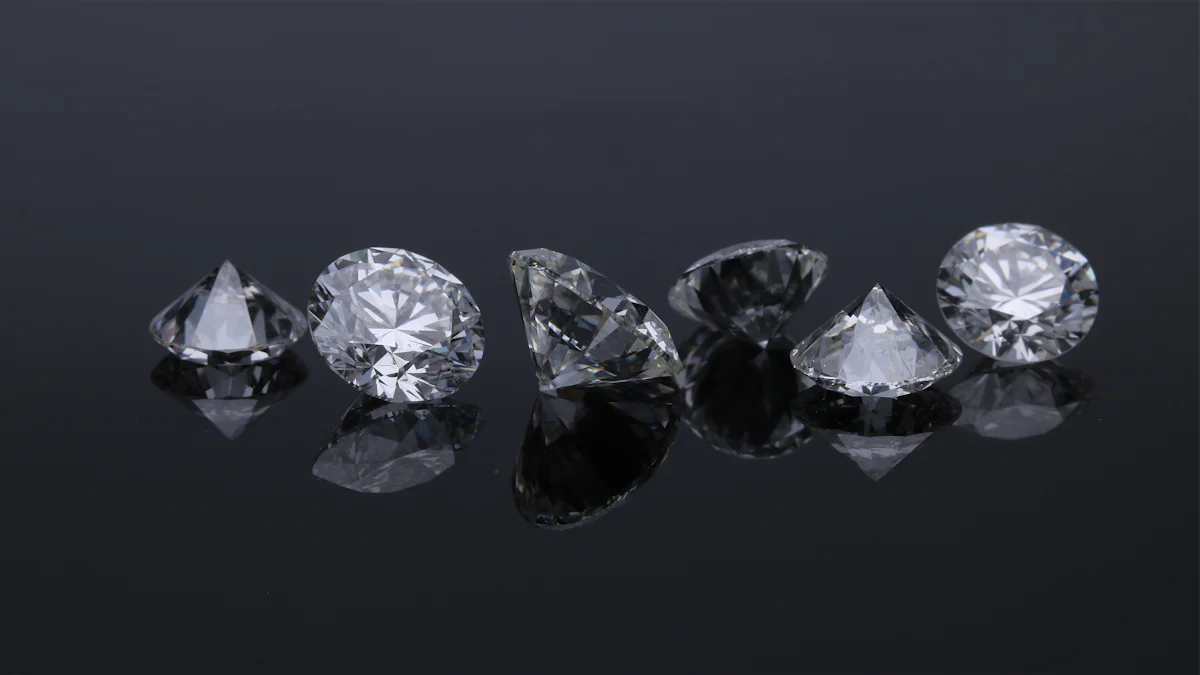
Diamonds hold a special place in human culture and history. These precious stones symbolize love, wealth, and status. Understanding the different kinds of diamonds is crucial for making informed decisions. Natural diamonds form deep within the Earth over billions of years. Lab-grown diamonds, created in controlled environments, offer an ethical alternative. Fancy color diamonds captivate with their unique hues. Treated diamonds undergo processes to enhance their appearance. Each type has distinct characteristics and value, making knowledge essential for buyers and enthusiasts.
Kinds of Diamonds
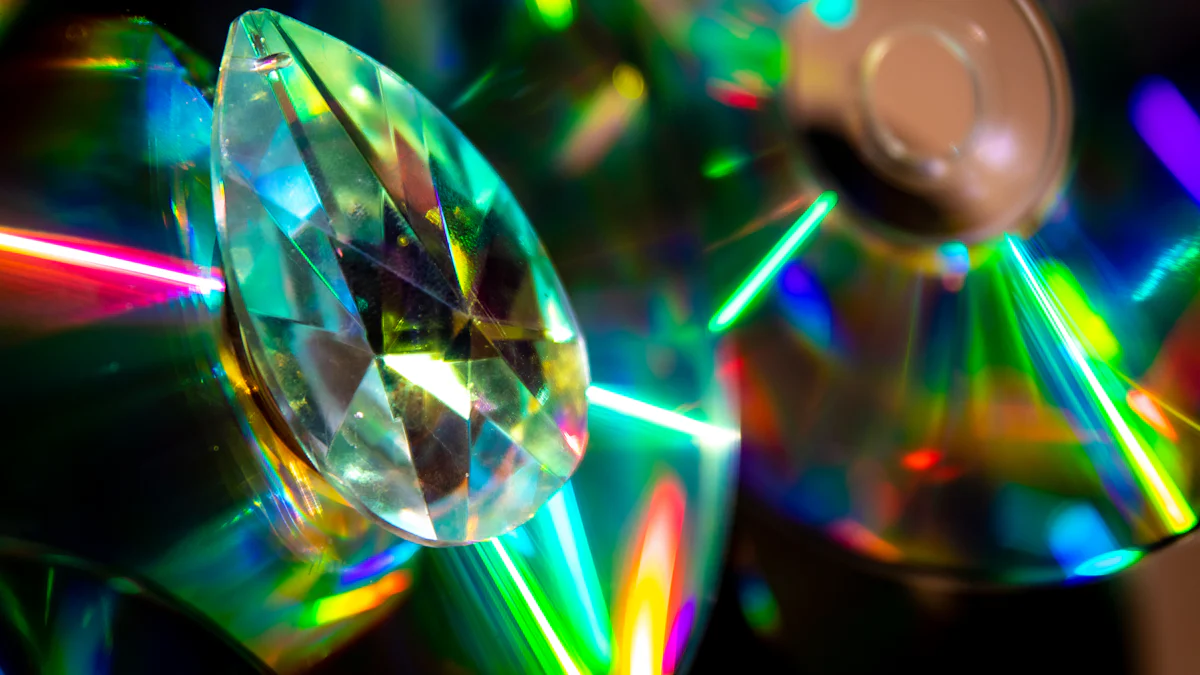
Natural Diamonds
Formation and Origin
Natural diamonds form deep within the Earth's mantle under extreme pressure and temperature. Volcanic eruptions bring these diamonds closer to the surface, where miners can extract them. This natural process takes billions of years, making each diamond unique.
Characteristics
Natural diamonds exhibit exceptional hardness, ranking 10 on the Mohs scale. These diamonds possess remarkable brilliance due to their ability to refract light. The presence of impurities like nitrogen or boron can influence the diamond's color.
Types of Natural Diamonds
Natural diamonds come in various types based on their chemical composition and crystal structure. Type Ia diamonds contain nitrogen atoms in clusters, giving them a yellowish tint. Type Ib diamonds have isolated nitrogen atoms, resulting in a more intense yellow color. Type IIa diamonds lack significant nitrogen or boron, making them the purest and often colorless. Type IIb diamonds contain boron, giving them a blue hue.
Synthetic Diamonds
Creation Process
Synthetic diamonds, also known as lab-grown diamonds, are created in controlled environments using advanced technology. High Pressure High Temperature (HPHT) and Chemical Vapor Deposition (CVD) are the two primary methods. HPHT mimics the natural conditions of diamond formation, while CVD involves breaking down carbon-rich gases to form diamond layers.
Characteristics
Synthetic diamonds share the same physical and chemical properties as natural diamonds. These diamonds exhibit the same brilliance and hardness. However, synthetic diamonds do not have the same historical journey as natural diamonds. Lab-grown diamonds are priced 60-80% less than natural diamonds and do not retain intrinsic monetary value over time.
Treated Diamonds
Types of Treatments
Treated diamonds undergo various processes to enhance their appearance. Common treatments include laser drilling to remove inclusions, fracture filling to improve clarity, and high-temperature annealing to alter color. These treatments can significantly change the diamond's visual appeal.
Identification and Value
Experts can identify treated diamonds through specialized equipment and techniques. Treated diamonds generally have lower value compared to untreated natural diamonds. The treatments can affect the diamond's durability and long-term stability. Buyers should be aware of these factors when considering treated diamonds.
Fancy Color Diamonds
Natural Fancy Color Diamonds
Natural fancy color diamonds captivate with their vibrant hues. These diamonds form deep within the Earth under unique geological conditions. Elements like nitrogen, boron, and hydrogen influence the color. For example, nitrogen creates yellow diamonds, while boron results in blue diamonds.
Natural fancy color diamonds come in various shades such as pink, yellow, blue, purple, violet, red, green, gray, and black. Each color holds a different level of rarity and value. Pink and red diamonds rank among the rarest and most expensive. Yellow and brown diamonds are more common, making them more affordable.
The grading of natural fancy color diamonds involves assessing hue, tone, and saturation. The Gemological Institute of America (GIA) provides a standardized grading system. This system helps buyers understand the quality and value of these unique gems.
Treated Fancy Color Diamonds
Treated fancy color diamonds undergo processes to enhance or change their color. High-temperature annealing and irradiation are common treatments. These methods can produce a wide range of colors, including those not typically found in nature.
Experts can identify treated fancy color diamonds using specialized equipment. Treatments can affect the diamond's long-term stability and durability. Buyers should consider these factors when purchasing treated diamonds. Treated diamonds generally have lower value compared to natural fancy color diamonds.
Treated fancy color diamonds offer an affordable alternative for those seeking vibrant colors. These diamonds provide an opportunity to own a visually stunning gem without the high cost of natural fancy color diamonds.
Understanding the different kinds of diamonds helps buyers make informed decisions. Natural diamonds, synthetic diamonds, treated diamonds, and fancy color diamonds each offer unique qualities. Choosing the right type depends on the purpose, whether for investment, ethical considerations, or aesthetic preferences. The value and beauty of diamonds continue to captivate collectors and jewelry lovers. Knowledge about these precious stones ensures that buyers appreciate their true worth.
