Understanding Diamond Color: A Comprehensive Guide for Evaluating Quality

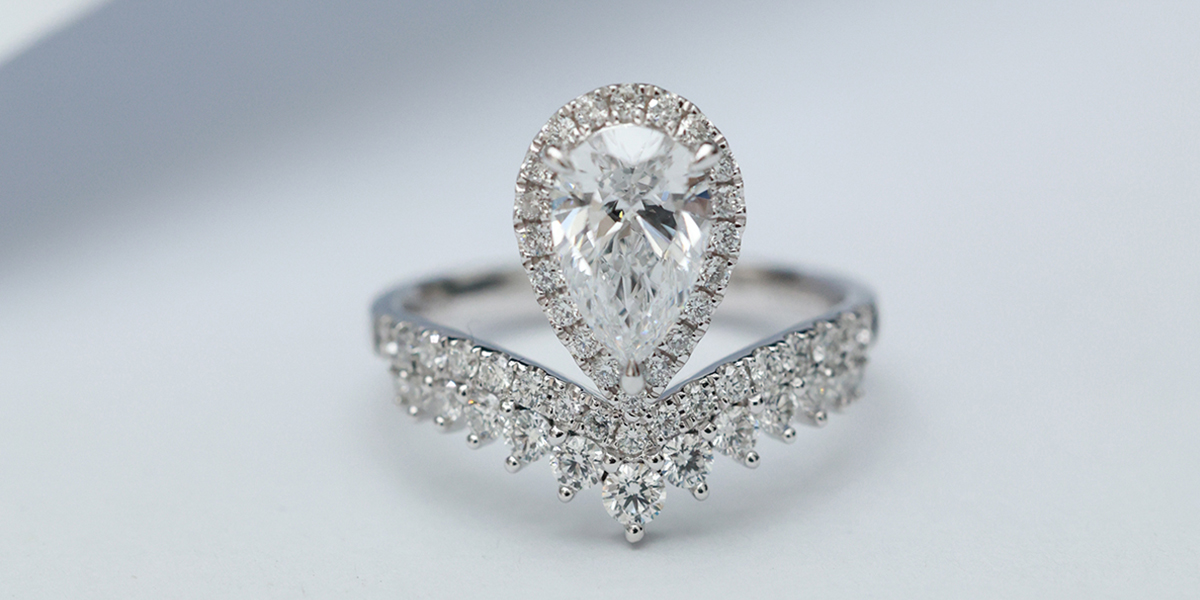
Diving Into the World of Diamond Color
My First Encounter with Diamond Color
A Personal Anecdote
When I first began learning about diamond color, I was captivated by the subtle yet significant impact it has on a diamond's beauty. I vividly recall visiting a jewelry store and being mesmerized by the array of dazzling diamonds on display. The sales associate introduced me to the concept of diamond color and explained how it influences a diamond's overall appearance. This experience sparked my fascination with understanding the intricate details that contribute to a diamond's allure.
What Exactly Is Diamond Color?
Breaking Down the Basics
The term diamond color refers to the presence or absence of color in a diamond. It is one of the fundamental factors used to evaluate a diamond's quality and value. Contrary to what some may assume, diamond color does not refer to the visible colors seen in fancy colored diamonds, such as pinks, blues, or yellows. Instead, it pertains to the lack of color in white diamonds. The Gemological Institute of America (GIA) developed a standardized scale for grading diamond color, ranging from D (colorless) to Z (light yellow or brown). Understanding this scale is crucial for anyone seeking to purchase a high-quality diamond.
The Science Behind Diamond Color Grading
As we delve into the intricate world of diamond color grading, it's essential to understand the standardized scale developed by the Gemological Institute of America (GIA).
The GIA Color Scale Explained
The GIA color scale is a comprehensive system that meticulously evaluates diamond color from the finest, most colorless grade to stones with noticeable tints. The scale begins with the letter D, representing rare and highly coveted colorless diamonds. As we progress through the alphabet, each subsequent letter signifies an increasing presence of color. Navigating this scale is crucial for anyone seeking to make an informed decision when purchasing a diamond.
From D to Z: Navigating the Scale
D Grade: Diamonds in this category are exceptionally rare and prized for their absolute lack of color, exuding unparalleled brilliance.
E-F Grade: Falling within the "colorless" range, these diamonds possess minute traces of color that are nearly indistinguishable to the untrained eye.
G-H-I-J Grade: These diamonds are classified as "near colorless" and offer exceptional value, appearing almost entirely devoid of any noticeable hue.
Why Colorlessness Is Prized
The Rarity and Value of D-F Color Diamonds
The rarity and value of D-F grade diamonds cannot be overstated. These stones represent the pinnacle of purity and are highly sought after for their remarkable lack of color. A diamond's worth is significantly influenced by its position on the GIA color scale, with D-F grade diamonds commanding a premium due to their scarcity and captivating radiance.
In essence, understanding diamond color grading empowers individuals to discern between subtle variations in hue and appreciate the exceptional beauty inherent in each unique grade.
How Diamond Color Affects Value and Appearance
As we continue our exploration of diamond color, it becomes evident that this crucial factor plays a significant role in determining both the value and appearance of a diamond.
The Impact of Color on Diamond Value
The influence of diamond color on its value cannot be overstated. As we progress through the GIA color scale, from D to Z, the market value of diamonds undergoes noticeable shifts. Diamonds at the higher end of the scale, such as those graded D-F, command premium prices due to their exceptional rarity and remarkable lack of color. Conversely, diamonds in the lower range of the scale, particularly those graded from K to Z, are generally more affordable due to their discernible color tints. Understanding these nuances is vital for individuals seeking to make informed decisions when purchasing diamonds.
Comparing Color Grades and Their Market Value
D-F Grade: Diamonds falling within this elite category are esteemed for their extraordinary purity and are highly coveted in the market. Their scarcity and captivating radiance contribute to their substantial market value.
G-H-I-J Grade: These near-colorless diamonds offer exceptional value for buyers seeking high-quality stones with minimal discernible color. They present an attractive option for those desiring beautiful diamonds without venturing into the premium price range associated with D-F grade stones.
K-Z Grade: Diamonds in this range exhibit noticeable color tints, making them more accessible in terms of pricing. While they may not possess the same level of colorlessness as higher-grade diamonds, they still offer an opportunity for individuals with budget considerations to acquire stunning diamond jewelry.
Visual Differences in Diamond Color
When examining diamonds across various points on the GIA color scale, visual disparities become apparent even to untrained eyes. Real-life examples vividly illustrate how subtle variations in diamond color can impact a stone's overall appearance.
Real-life Examples of Color Variations
In a side-by-side comparison between a D-grade diamond and a J-grade diamond, one can observe distinct differences in their visual appeal. The D-grade diamond exudes an unparalleled brilliance and appears completely devoid of any noticeable hue, while the J-grade diamond exhibits a slight warmth that becomes perceptible upon close inspection.
Similarly, comparing an F-grade diamond with an M-grade diamond reveals noticeable variations in their visual characteristics. The F-grade diamond maintains a high degree of colorlessness with minimal traces of tint, whereas the M-grade diamond displays a discernible yellowish tint that affects its overall brilliance.
Understanding these visual distinctions empowers consumers to make well-informed choices when selecting diamonds that align with their preferences and budgetary considerations.
Choosing the Right Diamond Color for You
As you embark on the journey of selecting the perfect diamond, it's essential to consider a harmonious balance between diamond color, clarity, and cost. Making an informed decision involves understanding how these elements intertwine to create a captivating and valuable piece of jewelry.
Balancing Color, Clarity, and Cost
When evaluating diamonds, it's crucial to recognize that diamond color significantly impacts a stone's overall appearance. However, achieving a balance between color, clarity, and cost is key to finding a diamond that aligns with your preferences and budget. Here are some tips to guide you through this decision-making process:
Prioritize Personal Preference: While industry standards provide guidelines for diamond color grading, personal preference should ultimately dictate your choice. Consider whether you prefer the icy brilliance of a colorless diamond or if you appreciate the warmth of a slightly tinted stone.
Seek Optimal Clarity: In conjunction with considering diamond color, prioritize clarity to ensure that the stone is free from imperfections that may detract from its beauty. A clear and flawless diamond can enhance its visual appeal regardless of its position on the GIA color scale.
Budget Wisely: Understand that while diamond color plays a significant role in a stone's allure, allocating your budget sensibly across all quality factors is essential. Striking a balance between color, clarity, and cost ensures that you acquire a stunning diamond without compromising on its overall quality.
Consult with Experts: Don't hesitate to seek guidance from reputable jewelers or gemologists who can provide valuable insights into navigating the intricacies of choosing the right diamond color based on your individual preferences and budgetary considerations.
Setting and Style Considerations
In addition to evaluating diamond color, it's important to factor in setting and style considerations when selecting the perfect diamond for your jewelry piece.
How to Choose Based on Your Personal Style
Classic Elegance: If your personal style leans towards timeless sophistication, consider opting for a higher-grade diamond such as D-F for its unparalleled radiance and purity. These exquisite stones effortlessly complement classic settings such as solitaire or three-stone designs.
Modern Sophistication: For individuals drawn to contemporary styles, near-colorless diamonds in the G-H-I-J range offer an ideal balance between exceptional value and captivating brilliance. These diamonds pair seamlessly with sleek settings like bezel or tension mounts, exuding modern flair.
Vintage Charm: Embrace vintage-inspired aesthetics by exploring diamonds in warmer tones within the K-Z range. These diamonds impart a sense of nostalgia and character when set in ornate designs such as halo or filigree settings, adding an enchanting touch to your jewelry piece.
By considering both personal style preferences and practical aspects such as durability and maintenance requirements associated with different settings, you can confidently select a diamond that harmonizes with your unique tastes while seamlessly integrating into your desired jewelry design.
Wrapping Up: Understanding Diamond Color
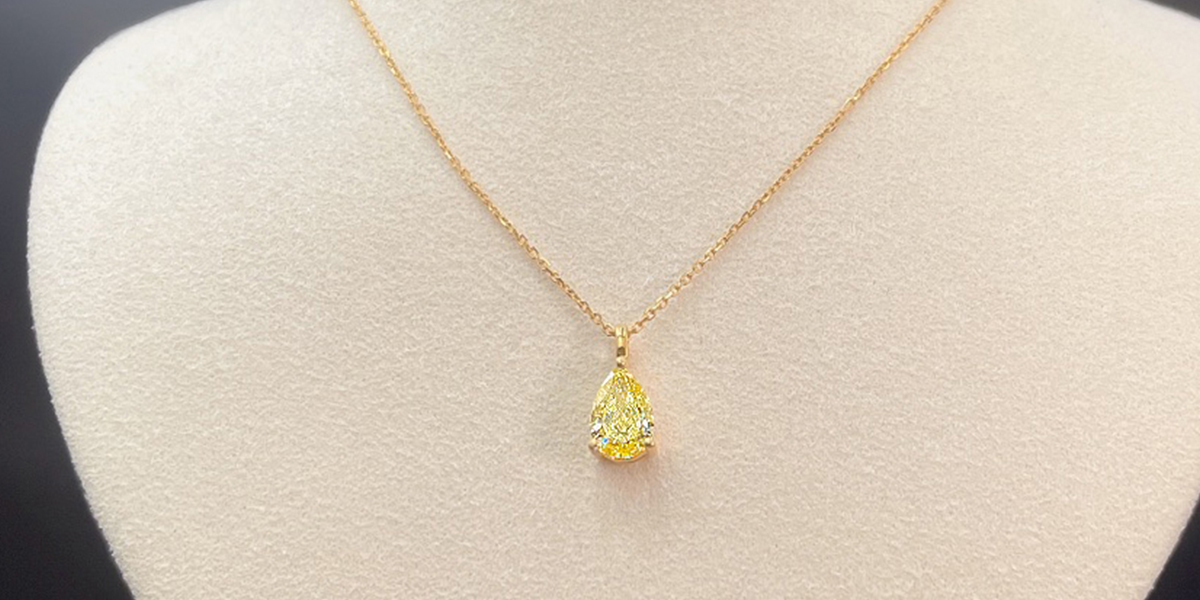
Now that we have delved into the intricate world of diamond color, it's essential to recap the key takeaways and provide encouragement for further exploration and learning.
Key Takeaways
Understanding diamond color is crucial when evaluating the quality and value of a diamond. Here are some important points to remember:
Recap of Important Points
Diamond Color Grading: The Gemological Institute of America (GIA) developed a standardized scale for grading diamond color, ranging from D (colorless) to Z (light yellow or brown). This scale plays a significant role in determining a diamond's rarity and market value.
Impact on Value: Diamond color significantly influences a stone's market value, with colorless diamonds commanding premium prices due to their exceptional rarity and captivating radiance.
Balancing Factors: When choosing a diamond, it's important to balance color, clarity, and cost based on personal preferences and budget considerations. Seeking guidance from experts can aid in making well-informed decisions.
Moving Forward with Confidence
As you continue your journey into the world of diamonds, I encourage you to explore further and expand your knowledge. Whether you're considering purchasing a diamond for a special occasion or simply seeking to appreciate the beauty of these exquisite gemstones, there is always more to learn.
Encouragement to Explore and Learn More
Continued Exploration: Take the time to explore different aspects of diamonds, including cut, clarity, and carat weight. Each factor contributes uniquely to a diamond's allure.
Education is Empowering: Knowledge empowers individuals to make informed decisions when selecting diamonds. Embrace opportunities to learn from reputable sources and expand your understanding of these remarkable gemstones.
Appreciating Beauty: Even if you're not in the market for a diamond at this moment, take the opportunity to appreciate their timeless beauty. Understanding the intricacies of diamond color enhances one's ability to admire these treasures with newfound appreciation.
As you move forward with confidence, may your journey be filled with discovery, appreciation, and an enduring fascination for the captivating world of diamonds.
See Also
Decoding the Options: Selecting the Ideal Diamond Cut for Your Jewelry
Selecting the Ideal Carat: A Guide to Diamond Tennis Necklaces
Selecting the Perfect Diamond Setting for Enhanced Beauty and Brilliance
Becoming Proficient in Diamond Setting: A Guide to Various Techniques
