Moissanite vs Lab Grown Diamond: A Detailed Comparison for Engagement Rings

Introduction to Sparkling Choices
The Quest for the Perfect Engagement Ring
As I embarked on the journey to find the perfect engagement ring, I was met with a myriad of options and choices. The significance of this symbol of love and commitment propelled me to explore beyond traditional norms and seek a truly unique and meaningful choice.
Why Consider Alternatives to Traditional Diamonds?
In my quest, I delved into the world of alternative gemstones, seeking options that not only exuded beauty but also aligned with my values and priorities. It became evident that considering alternatives to traditional diamonds was not only a trend but a conscious decision rooted in ethical, environmental, and personal considerations.
The allure of non-traditional gemstones such as moissanite and lab-grown diamonds captivated me with their remarkable qualities, sparking a deeper exploration into their distinct characteristics. As I unraveled the captivating features of these alternatives, it became clear that they offered compelling benefits that resonated with modern sensibilities.
Understanding Moissanite and Lab-Grown Diamonds
What is Moissanite?
Moissanite, named after Nobel Prize-winning chemist Dr. Henri Moissan, is a naturally occurring mineral that was first discovered in a meteor crater. Its remarkable properties and captivating brilliance have made it a sought-after gemstone for use in jewelry.
The Origin and Properties of Moissanite
Originally discovered in 1893, moissanite is composed of silicon carbide and is known for its exceptional hardness, ranking close to diamonds on the Mohs scale. This makes it highly suitable for everyday wear as an engagement ring stone. Additionally, moissanite exhibits a higher refractive index than diamonds, resulting in extraordinary brilliance and fire that captures the eye with its dazzling sparkle.
The Appeal of Moissanite in Jewelry
The allure of moissanite lies not only in its stunning visual appeal but also in its ethical and sustainable attributes. As a lab-created gemstone, moissanite offers an environmentally friendly alternative to traditional mined diamonds. Its affordability and eco-friendly production process make it an attractive choice for those seeking a beautiful yet conscientious option for their engagement ring.
What are Lab-Grown Diamonds?
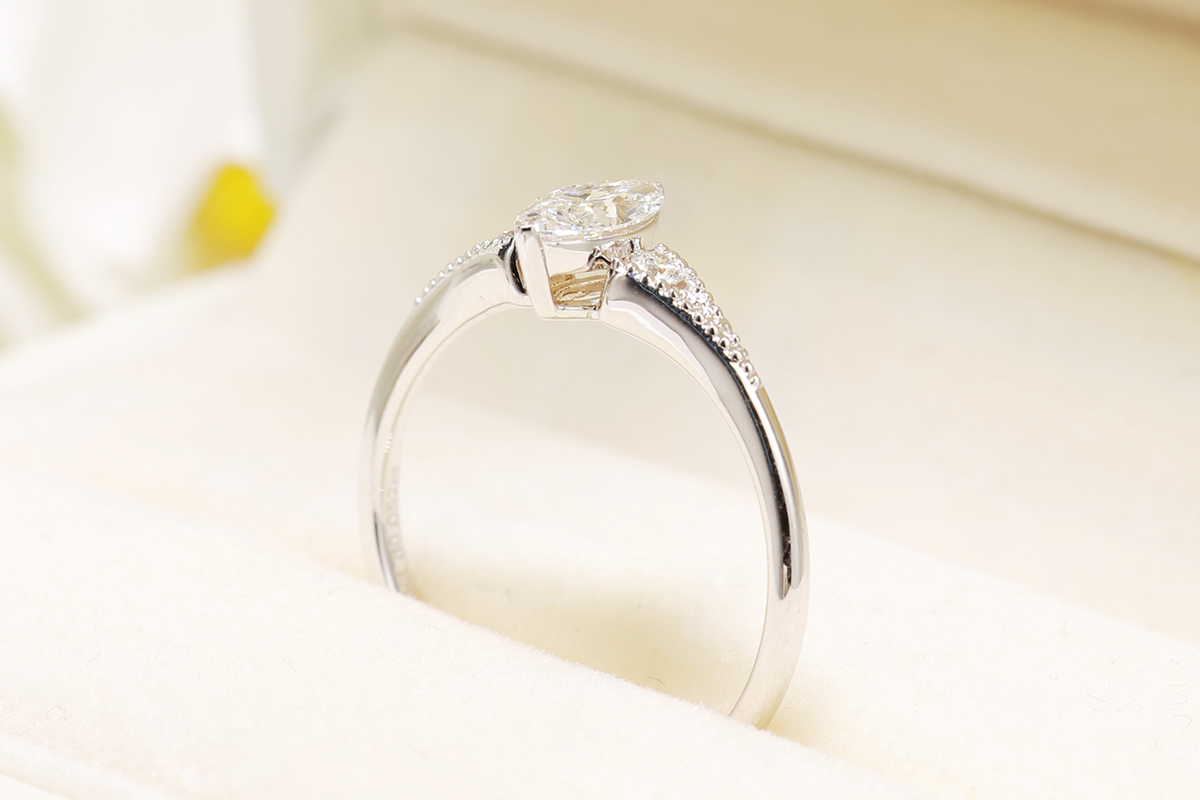
Lab-grown diamonds, also known as synthetic or cultured diamonds, are created through advanced technological processes that replicate the natural conditions under which diamonds form within the Earth's mantle.
The Creation Process of Lab-Grown Diamonds
These diamonds are cultivated using two primary methods: High Pressure-High Temperature (HPHT) and Chemical Vapor Deposition (CVD). Both techniques simulate the extreme heat and pressure found deep within the Earth's crust, allowing carbon atoms to form into crystalline structures identical to those of natural diamonds.
Lab-Grown Diamonds vs Natural Diamonds
While lab-grown diamonds share the same physical, chemical, and optical properties as natural diamonds, they are distinguishable by their origin. Unlike natural diamonds that are formed over millions of years beneath the Earth's surface, lab-grown diamonds are produced in controlled laboratory environments within a significantly shorter timeframe.
A Detailed Comparison: Moissanite vs Diamond
Physical and Optical Properties
When comparing moissanite and diamonds, it's essential to consider their physical and optical properties, which play a significant role in their visual appeal.
Brilliance, Fire, and Clarity
Moissanite is renowned for its exceptional brilliance, fire, and clarity. With a refractive index ranging from 2.65 to 2.69, moissanite exhibits a stunning display of light that surpasses that of traditional diamonds. Its fiery sparkle and radiant brilliance make it an alluring choice for those seeking a captivating gemstone for their engagement ring.
On the other hand, natural diamonds boast a timeless elegance with their unique brilliance and clarity. While they may not exhibit the same level of fire as moissanite, diamonds possess a classic allure that appeals to individuals looking for a sophisticated and enduring symbol of love.
Size and Weight Differences
One notable distinction between moissanite and diamonds lies in their size and weight differences. Due to its lower density, moissanite is approximately 15% lighter than diamonds of equivalent size. This variance in weight can influence the overall appearance and feel of the stone when set in an engagement ring.
Cost Considerations
When contemplating the choice between moissanite and lab-grown diamonds, cost considerations play a pivotal role in decision-making.
Pricing of Moissanite vs Lab-Grown Diamonds
One of the most compelling aspects of both moissanite and lab-grown diamonds is their affordability compared to natural diamonds. While the pricing may vary based on factors such as size, color, and clarity, both alternatives offer a more budget-friendly option without compromising on visual appeal or durability.
Value Over Time
In terms of long-term value, both moissanite and lab-grown diamonds present an attractive proposition. Their enduring beauty ensures that they retain their sparkle over time, making them valuable choices for engagement rings that stand the test of time without significant depreciation.
Environmental and Ethical Considerations
The environmental impact and ethical considerations associated with gemstone choices are increasingly influencing consumers' decisions when selecting an engagement ring.
The Impact of Mining vs Lab Creation
Choosing between moissanite or lab-grown diamonds over traditional mined diamonds contributes to minimizing the environmental impact associated with diamond mining. By opting for these alternatives, individuals can support sustainable practices while enjoying exquisite gemstones that align with their values.
Ethical Sourcing and Sustainability
Furthermore, both moissanite and lab-grown diamonds offer ethical sourcing practices that prioritize sustainability. Their production processes adhere to stringent ethical standards, ensuring that they are conflict-free alternatives that resonate with conscientious consumers seeking ethically sourced jewelry options.
Making the Right Choice for Your Engagement Ring
As you embark on the journey of selecting the perfect engagement ring, it's essential to assess your priorities to make an informed decision that aligns with your values and preferences.
Assessing Your Priorities
When considering moissanite vs diamond for your engagement ring, several factors come into play, including budget, aesthetics, and personal values. It's important to weigh these considerations to determine the ideal choice for your special ring.
Budget, Aesthetics, and Values
Your budget is a significant consideration when choosing between moissanite and diamonds. While both options offer affordability compared to natural diamonds, moissanite typically presents a more cost-effective alternative without compromising on visual appeal or durability. This makes it an attractive choice for individuals seeking a stunning yet budget-friendly engagement ring.
Aesthetically, both moissanite and diamonds exude timeless beauty in their own right. Moissanite's exceptional brilliance and fire make it a captivating choice that rivals the classic elegance of diamonds. Consider your personal style and the aesthetic qualities that resonate with you to make a choice that reflects your unique taste and preferences.
Moreover, personal values play a crucial role in the decision-making process. If ethical and environmental considerations are paramount to you, both moissanite and lab-grown diamonds offer conflict-free alternatives that align with sustainable practices. By opting for these options, you can embrace a meaningful symbol of love while supporting ethical sourcing and sustainability in the jewelry industry.
Personal Stories: Why I Chose Moissanite/Lab-Grown Diamond
Many individuals have embraced moissanite or lab-grown diamonds for their engagement rings due to compelling reasons that extend beyond traditional norms. Personal stories abound with heartfelt accounts of why individuals have chosen these alternatives over natural diamonds. From celebrating eco-conscious choices to prioritizing budget flexibility without sacrificing beauty, these stories shed light on the diverse motivations behind selecting moissanite vs diamond for engagement rings.
Tips for Shopping and Care
Once you've made your choice between moissanite and lab-grown diamonds for your engagement ring, it's essential to know where to find quality stones and how to maintain the sparkle of your cherished ring.
Where to Buy Quality Stones
When shopping for moissanite or lab-grown diamonds, reputable jewelers and certified retailers are excellent sources for obtaining high-quality stones. Look for establishments with a track record of ethical sourcing practices and transparent information about their gemstones' origins. Additionally, seek recommendations from trusted sources or explore online platforms known for offering genuine, well-crafted jewelry featuring these alternatives.
Maintaining the Sparkle of Your Ring
Proper care is vital in ensuring that your engagement ring continues to dazzle with its radiant allure over time. Regular cleaning using mild soap or specialized jewelry cleaners helps preserve the brilliance of both moissanite and lab-grown diamond rings. Additionally, periodic professional inspections by experienced jewelers can address any maintenance needs promptly, safeguarding the longevity of your treasured symbol of love.
By considering these tips as you navigate through the process of choosing an engagement ring and caring for it thereafter, you can confidently embrace your decision while preserving its enduring beauty.
Final Thoughts: Choosing with Confidence
Embracing Your Decision
As you embark on the journey of selecting an engagement ring, it's essential to embrace your decision with confidence and conviction. Whether you opt for the captivating brilliance of moissanite or the timeless allure of lab-grown diamonds, your choice reflects not only your personal style but also your values and priorities. Embracing this decision allows you to celebrate the unique qualities of your chosen gemstone, knowing that it symbolizes a profound commitment and love.
Moreover, by choosing an alternative to traditional diamonds, you contribute to a growing movement that prioritizes ethical and sustainable practices in the jewelry industry. Your conscious choice resonates with a shift towards embracing meaningful and environmentally friendly options, setting a precedent for future generations seeking beautiful yet conscientious symbols of love.
The Future of Engagement Rings: Trends and Innovations
As we look towards the future of engagement rings, trends and innovations continue to shape the landscape of fine jewelry. The rise of moissanite and lab-grown diamonds signifies a departure from conventional norms, paving the way for a new era characterized by diverse gemstone choices that cater to modern sensibilities.
Innovations in gemstone cultivation techniques and sustainable practices are driving the evolution of engagement ring options. With advancements in lab-grown diamond production and an increasing emphasis on ethical sourcing, consumers are presented with an array of exquisite alternatives that offer both beauty and integrity.
Furthermore, emerging trends in design aesthetics reflect a growing appreciation for individuality and uniqueness. Customization options allow couples to craft bespoke engagement rings that encapsulate their distinctive love stories, infusing personal meaning into every facet of their cherished symbol.
By embracing these evolving trends and innovations, individuals are empowered to make informed choices that align with their values while celebrating love in its most authentic form. The future of engagement rings is characterized by diversity, sustainability, and enduring beauty—a testament to the ever-evolving expressions of love and commitment.
In conclusion, as you embark on this significant milestone in your life's journey, may your chosen engagement ring symbolize not only everlasting love but also mindful choices that resonate with your heart's deepest desires.
