Lab-Made Diamonds and Cubic Zirconia: Key Differences

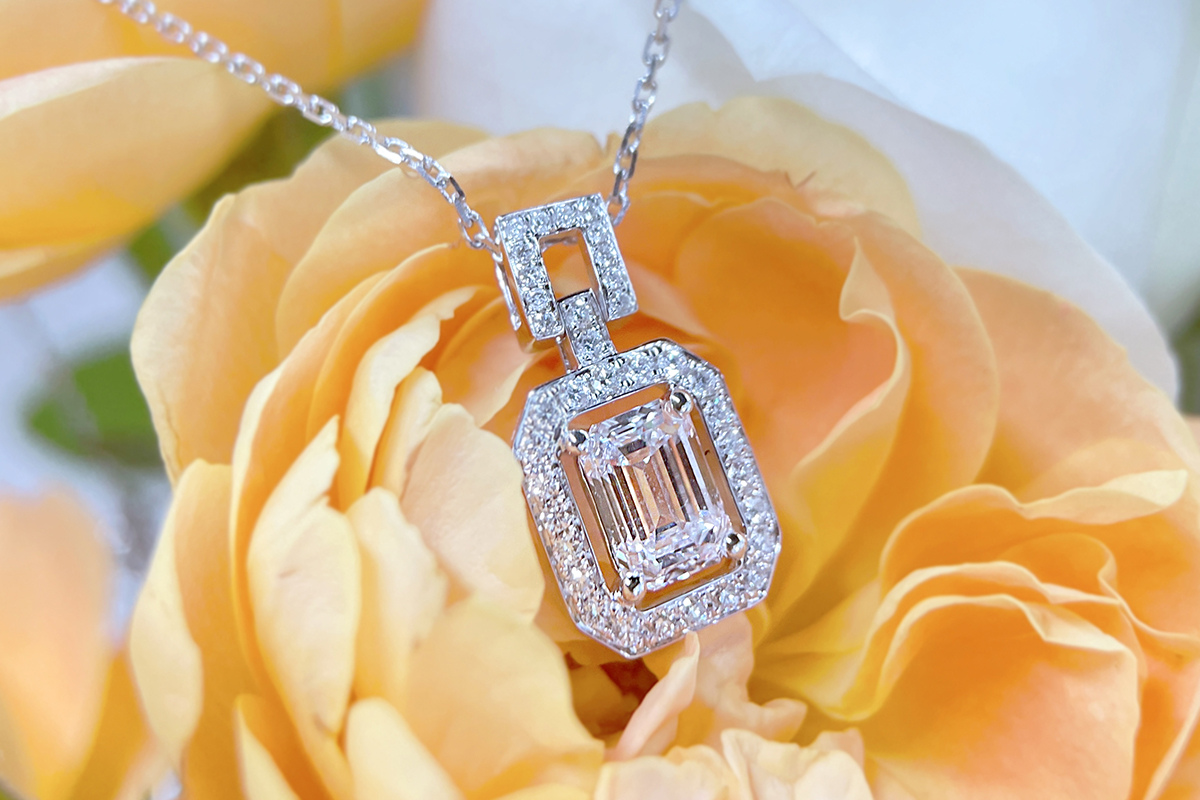
Lab-made diamonds vs cubic zirconia have gained popularity as alternatives to natural diamonds. Both options offer unique benefits and characteristics. Understanding the differences between these two materials is crucial for making informed decisions when purchasing jewelry. Lab-made diamonds provide a sustainable and ethical choice, while cubic zirconia offers an affordable option for casual wear. Knowing the distinctions helps consumers choose the right gemstone based on their needs and preferences.
Definitions and Background
Lab-Made Diamonds
What are Lab-Made Diamonds?
Lab-made diamonds are diamonds created in a laboratory setting. These diamonds possess the same physical and chemical properties as natural diamonds. The process involves high pressure and high temperature (HPHT) or chemical vapor deposition (CVD). Both methods replicate the natural conditions under which diamonds form.
History and Development
The creation of lab-grown diamonds began in 1954 when General Electric produced the first synthetic diamond. By the 1980s, advancements in technology significantly improved the quality of lab-grown diamonds. Today, these diamonds offer an ethical and sustainable alternative to mined diamonds.
Cubic Zirconia
What is Cubic Zirconia?
Cubic zirconia is a synthetic material made from zirconium dioxide. This man-made gemstone mimics the appearance of a diamond but differs in composition. Cubic zirconia offers a brilliant sparkle and serves as an affordable alternative to natural diamonds.
History and Development
The development of cubic zirconia began in the 1970s. Scientists sought a cost-effective substitute for diamonds. The production process involves melting zirconium oxide powder with stabilizers at high temperatures. This method results in flawless, colorless crystals that resemble diamonds.
Composition and Formation
Lab-Made Diamonds
Chemical Composition
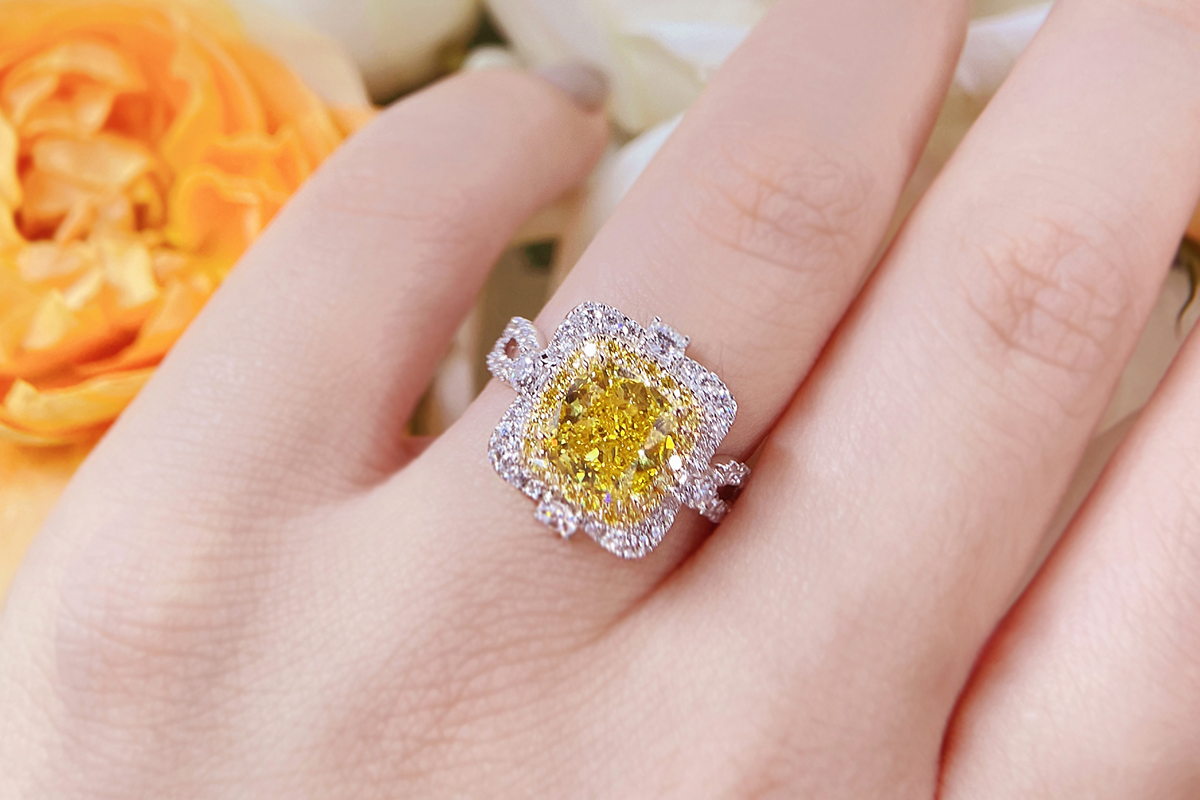
Lab-made diamonds consist of pure carbon atoms arranged in a crystal lattice structure. This composition mirrors that of natural diamonds. The carbon atoms bond in a tetrahedral structure, giving diamonds their renowned hardness and brilliance. Lab-grown diamonds exhibit the same optical and physical properties as mined diamonds.
Formation Process
The formation of lab-made diamonds involves two primary methods: High Pressure High Temperature (HPHT) and Chemical Vapor Deposition (CVD).
High Pressure High Temperature (HPHT):
This method replicates the natural conditions under which diamonds form.
Carbon sources, such as graphite, undergo exposure to extreme pressure and temperature.
The process results in the crystallization of carbon atoms into diamond structures.
Chemical Vapor Deposition (CVD):
This technique uses a carbon-rich gas mixture.
The gas mixture gets heated, causing carbon atoms to deposit onto a substrate.
Over time, these carbon atoms accumulate and form a diamond crystal layer by layer.
Cubic Zirconia
Chemical Composition
Cubic zirconia is composed of zirconium dioxide (ZrO₂). Unlike diamonds, cubic zirconia does not contain carbon. The material includes stabilizers like yttrium or calcium to maintain its crystal structure. This synthetic gemstone lacks the chemical properties of diamonds, making it distinct in composition.
Formation Process
The creation of cubic zirconia involves a different process compared to lab-made diamonds:
Melting Zirconium Oxide:
The process begins with zirconium oxide powder.
The powder gets mixed with stabilizers to enhance durability.
High-Temperature Melting:
The mixture undergoes heating at temperatures exceeding 4,982°F (2,750°C).
This high-temperature environment causes the materials to melt and fuse together.
Crystal Formation:
The molten material cools slowly, allowing crystals to form.
These crystals get cut and polished to resemble diamonds.
Lab-made diamonds and cubic zirconia differ significantly in their chemical composition and formation processes. Lab-made diamonds consist of pure carbon, while cubic zirconia contains zirconium dioxide. The methods used to create these gemstones also vary, with lab-made diamonds requiring high pressure and temperature or chemical vapor deposition, and cubic zirconia involving high-temperature melting of zirconium oxide. Understanding these differences helps consumers make informed decisions when choosing between these two options.
Lab Made Diamonds vs Cubic Zirconia: Price Comparison
Factors Affecting Price
Lab-Made Diamonds
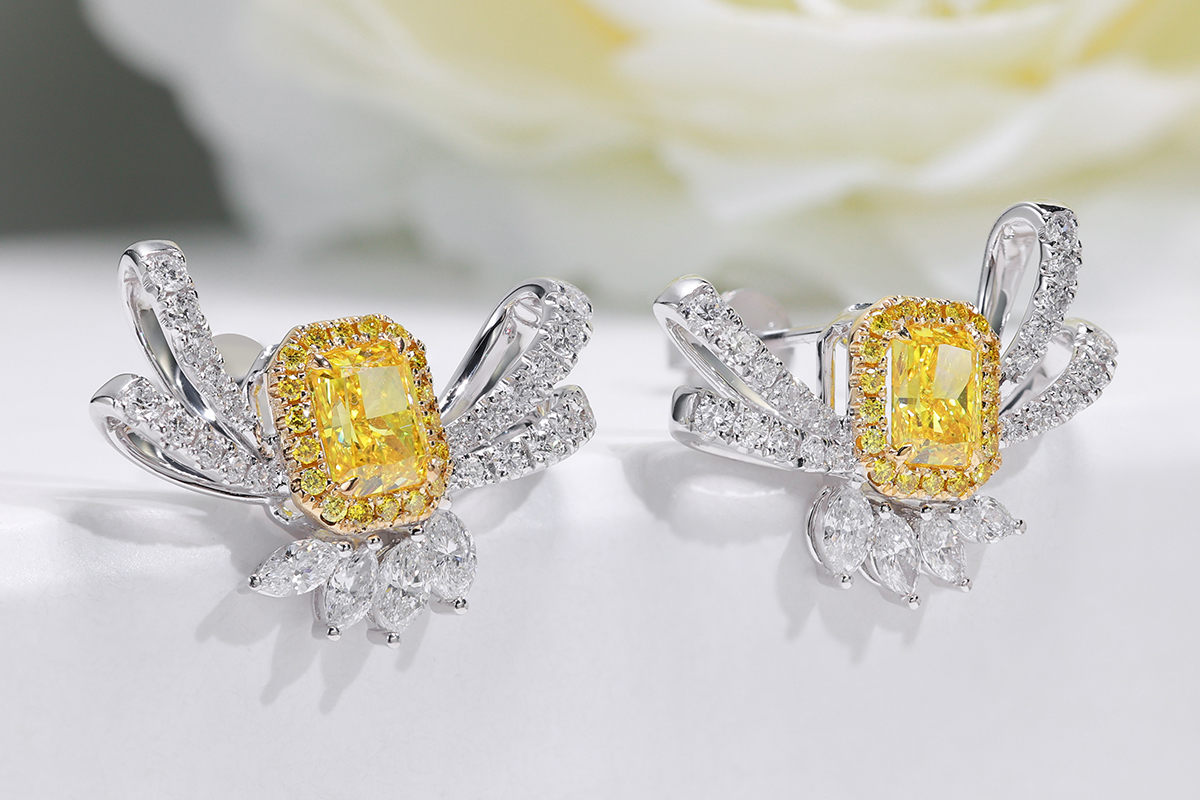
Lab-made diamonds typically cost less than natural diamonds. The price of lab-made diamonds depends on several factors. The 4Cs—carat, cut, color, and clarity—play a significant role in determining the cost. Larger carat weights and higher clarity grades increase the price. The production method also affects the cost. High Pressure High Temperature (HPHT) diamonds might differ in price compared to Chemical Vapor Deposition (CVD) diamonds. On average, lab-made diamonds cost about $1,000 for one carat. This price is significantly lower than the $4,200 for a similar natural diamond.
Cubic Zirconia
Cubic zirconia offers a more affordable alternative to both natural and lab-made diamonds. The price of cubic zirconia depends on factors such as size and quality. Higher-quality cubic zirconia stones exhibit better brilliance and fewer inclusions. However, even the highest quality cubic zirconia remains much cheaper than lab-made diamonds. For example, a one-carat cubic zirconia stone might cost only a few dollars. The affordability of cubic zirconia makes it a popular choice for costume jewelry and casual wear.
Market Trends
Lab-Made Diamonds
The market for lab-made diamonds has seen significant growth in recent years. Consumers increasingly prefer ethical and sustainable options. Lab-made diamonds offer a more environmentally friendly choice compared to mined diamonds. The price of lab-made diamonds has become more competitive. Advances in technology have reduced production costs. As a result, lab-made diamonds are available at almost 25-30% less than natural diamonds. Market trends indicate a steady increase in demand for lab-made diamonds.
Cubic Zirconia
Cubic zirconia continues to dominate the market for affordable gemstone alternatives. The demand for cubic zirconia remains high due to its low cost and visual appeal. Market trends show that cubic zirconia is widely used in fashion jewelry. Retailers often use cubic zirconia in engagement rings, earrings, and necklaces. The market for cubic zirconia remains stable, with consistent consumer interest. The affordability and versatility of cubic zirconia ensure its continued popularity.
Lab Made Diamonds vs Cubic Zirconia: Durability and Longevity
Hardness and Scratch Resistance
Lab-Made Diamonds
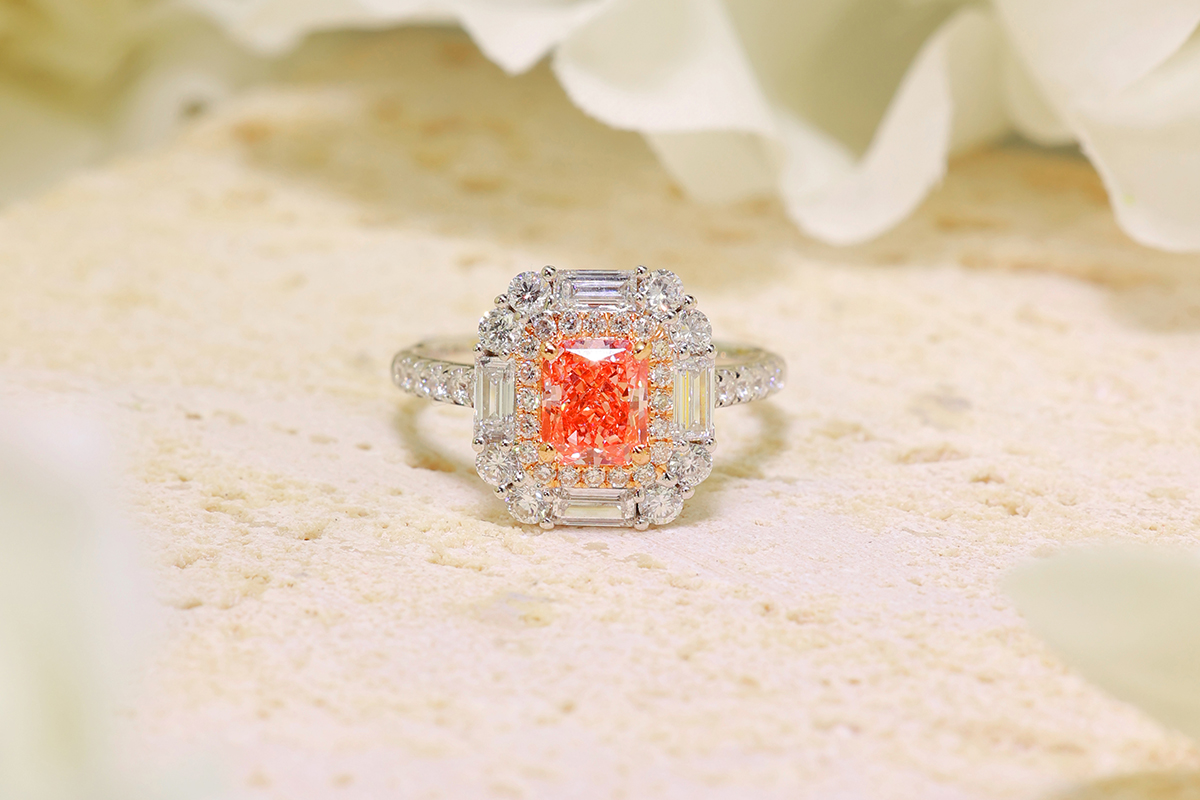
Lab-made diamonds exhibit a hardness of 10 on the Mohs hardness scale. This rating makes lab-made diamonds one of the hardest materials known to science. The exceptional hardness ensures that lab-made diamonds resist scratches and abrasions effectively. The sharp edges and facets of lab-made diamonds maintain their integrity over time, providing a lasting brilliance.
Cubic Zirconia
Cubic zirconia, on the other hand, has a hardness of 8-8.5 on the Mohs hardness scale. While still relatively hard, cubic zirconia is softer compared to lab-made diamonds. This lower hardness makes cubic zirconia more susceptible to scratches and wear. Over time, cubic zirconia may develop rounded edges and lose its initial sparkle. The difference in hardness between lab-made diamonds and cubic zirconia significantly impacts their durability and longevity.
Longevity Over Time
Lab-Made Diamonds
Lab-made diamonds retain their brilliance and structural integrity over extended periods. The high hardness and scratch resistance contribute to the long-lasting nature of lab-made diamonds. These diamonds do not easily chip or wear down, making them suitable for everyday wear. The optical properties of lab-made diamonds remain consistent, ensuring that the gemstone continues to sparkle brilliantly.
Cubic Zirconia
Cubic zirconia, although visually appealing at first, tends to degrade over time. The lower hardness makes cubic zirconia prone to scratches and surface damage. Prolonged exposure to daily wear can cause cubic zirconia to become cloudy or foggy. The gemstone's brilliance diminishes as scratches accumulate, reducing its overall aesthetic appeal. Cubic zirconia may require more frequent replacement or maintenance compared to lab-made diamonds.
Lab Made Diamonds vs Cubic Zirconia: Appearance and Aesthetics
Visual Characteristics
Lab-Made Diamonds
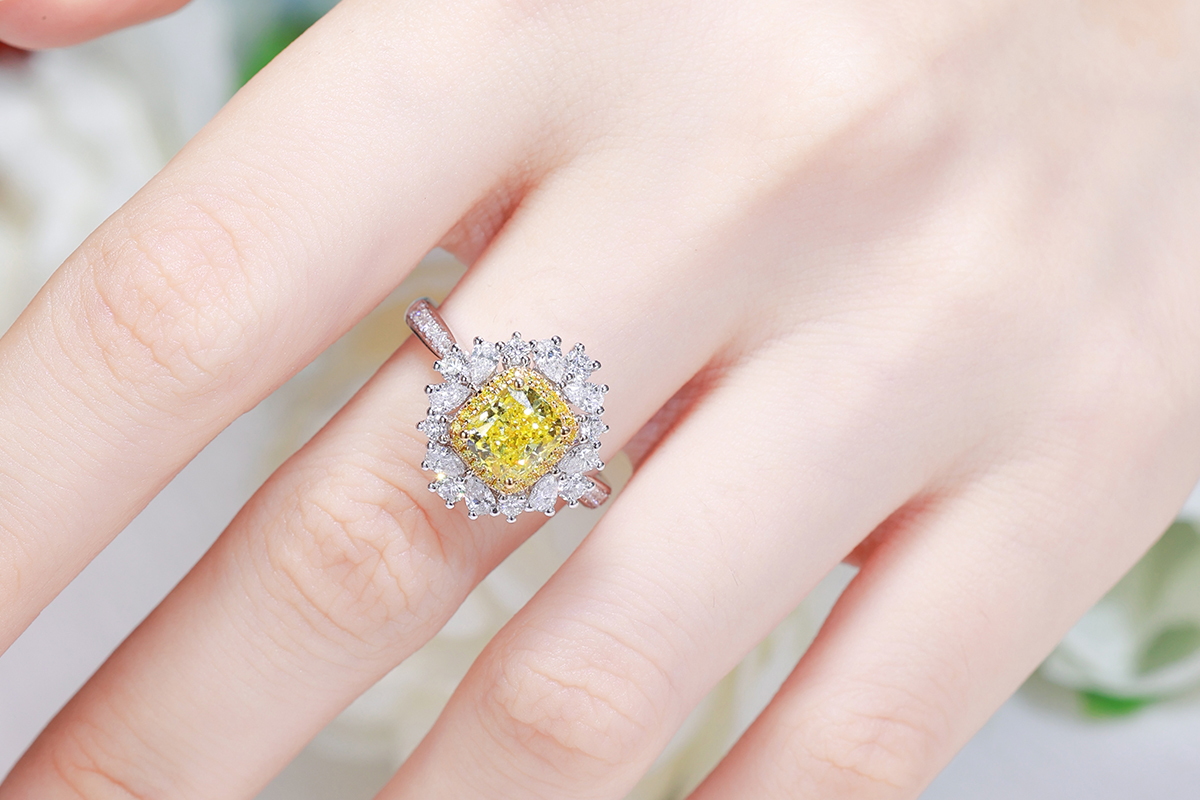
Lab-made diamonds exhibit exceptional brilliance and clarity. The sharp facet edges enhance the sparkle, making these diamonds visually indistinguishable from natural diamonds. The color grading of lab-made diamonds ranges from D (colorless) to Z (light yellow). This wide range allows for a variety of choices in terms of color and appearance. The high refractive index of lab-made diamonds contributes to their dazzling visual appeal.
Cubic Zirconia
Cubic zirconia also offers impressive brilliance but differs in certain visual aspects. The material produces a "rainbow effect" due to its lower refractive index compared to diamonds. This effect can make cubic zirconia appear less like a natural diamond under certain lighting conditions. The edges of cubic zirconia stones tend to be more rounded, which can affect the overall sparkle. Despite these differences, cubic zirconia remains a popular choice for its affordability and visual similarity to diamonds.
Common Uses in Jewelry
Lab-Made Diamonds
Lab-made diamonds are frequently used in high-end jewelry, including engagement rings, wedding bands, and luxury necklaces. The durability and hardness make them suitable for everyday wear. Jewelers often set lab-made diamonds in precious metals like gold and platinum. The ethical and sustainable nature of lab-made diamonds appeals to environmentally conscious consumers. These diamonds provide a long-lasting and beautiful option for significant life events and celebrations.
Cubic Zirconia
Cubic zirconia finds extensive use in fashion and costume jewelry. The affordability makes it an attractive option for casual wear and trendy pieces. Retailers often use cubic zirconia in earrings, bracelets, and pendants. The gemstone's versatility allows for creative and bold designs. Cubic zirconia serves as an excellent choice for those seeking a sparkling accessory without a significant financial investment. The lower cost enables frequent updates to one's jewelry collection.
Environmental and Ethical Considerations
Lab-Made Diamonds
Environmental Impact
Lab-made diamonds offer significant environmental benefits. The production of lab-grown diamonds requires less energy compared to mined diamonds. Studies show that lab-grown diamonds need 215.4% less energy, resulting in lower emissions. This reduction in energy usage contributes to a smaller carbon footprint. Lab-made diamonds also avoid the environmental damages associated with mining. Mining activities often lead to deforestation, land disturbance, and water pollution. Lab-grown diamonds eliminate these issues, making them a more sustainable choice.
Ethical Considerations
Lab-made diamonds provide an ethical alternative to mined diamonds. The production process does not involve conflict zones or exploitative labor practices. Consumers increasingly prefer lab-grown diamonds due to their ethical sourcing. The demand for ethically sourced diamonds continues to grow. Lab-made diamonds ensure that consumers can purchase gemstones without supporting unethical practices. This ethical advantage appeals to socially conscious buyers.
Cubic Zirconia
Environmental Impact
Cubic zirconia also presents environmental benefits. The production of cubic zirconia does not involve mining activities. This absence of mining reduces environmental damage. However, the high-temperature melting process used to create cubic zirconia requires substantial energy. This energy usage can result in a notable carbon footprint. Despite this, cubic zirconia remains a more environmentally friendly option compared to mined diamonds.
Ethical Considerations
Cubic zirconia offers an ethical choice for consumers. The synthetic nature of cubic zirconia ensures that no conflict zones or exploitative labor practices are involved. The affordability of cubic zirconia makes it accessible to a wider audience. Consumers can enjoy the visual appeal of diamonds without ethical concerns. The ethical production of cubic zirconia aligns with the values of many modern buyers.
Lab-made diamonds and cubic zirconia differ in several key aspects. Lab-made diamonds offer durability and natural diamond-like characteristics. Cubic zirconia provides an affordable option with impressive brilliance.
Choosing between lab-made diamonds and cubic zirconia depends on individual preferences. Lab-made diamonds provide a high WOW factor and ethical sourcing. Cubic zirconia offers affordability and versatility for casual wear.
Consider lifestyle, budget, and values when making a decision. Both options present unique benefits, ensuring that consumers can find the perfect gemstone for their needs.
