Lab-Grown Diamonds vs. Traditional Diamond Consumption: A Regional Perspective

Exploring the Sparkle: An Introduction to Diamonds
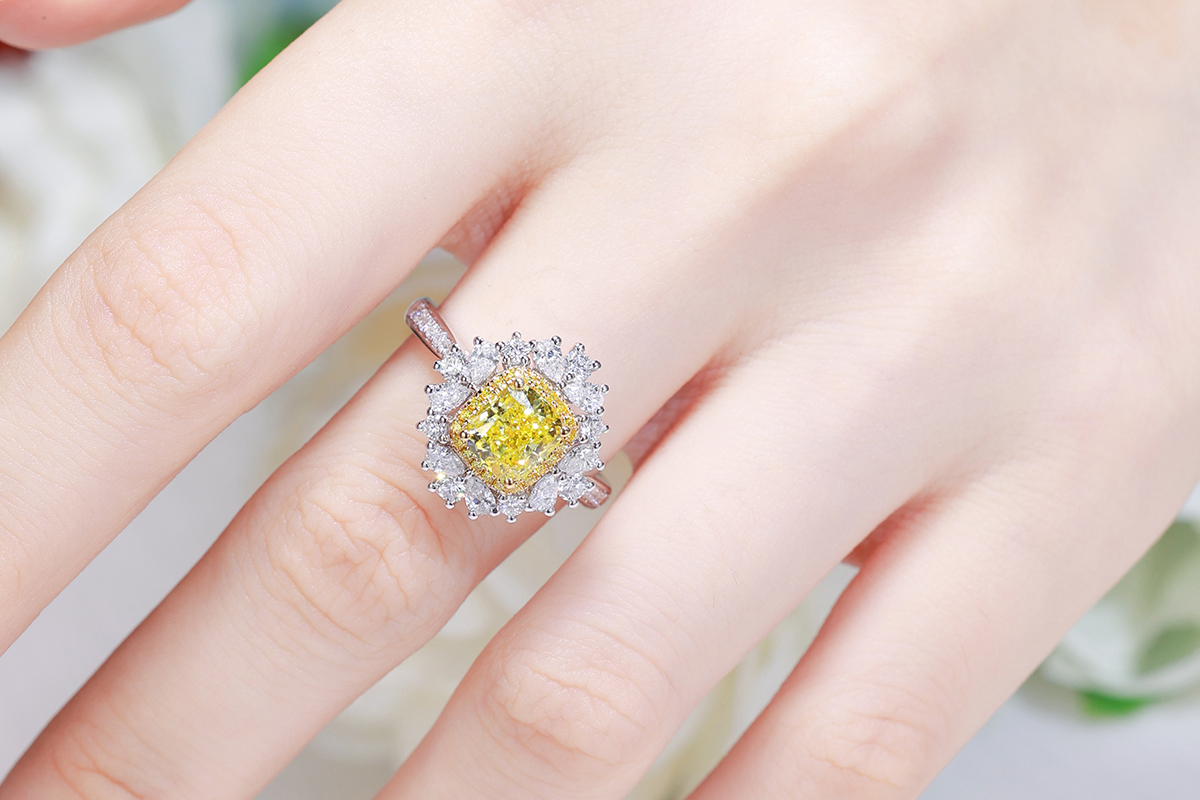
Diamonds have captivated human fascination for centuries, revered for their beauty, durability, and rarity. The allure of diamonds can be traced back through history, where they have been prized as symbols of love, status, and luxury.
The Allure of Diamonds: A Brief History
The story of diamonds dates back thousands of years, with evidence of diamond trade and mining in ancient civilizations such as India. Diamonds were initially valued for their natural brilliance and were believed to possess mystical qualities. Over time, they became associated with royalty and nobility, adorning crowns, jewelry, and ceremonial regalia.
In the 19th century, the discovery of diamond mines in South Africa led to a significant increase in supply, making diamonds more accessible to a broader market. This era also saw the emergence of iconic diamond cuts such as the brilliant round cut and the elegant emerald cut, further enhancing the gem's appeal.
Lab-Grown vs. Traditional: Key Differences
In recent years, advancements in technology have given rise to lab-grown diamonds as an alternative to traditional mined diamonds. These man-made gems share the same physical, chemical, and optical properties as natural diamonds but are created in controlled laboratory environments.
One key difference lies in their origin; while traditional diamonds form naturally deep within the Earth's mantle over millions of years, lab-grown diamonds are produced through high-pressure high-temperature (HPHT) or chemical vapor deposition (CVD) processes within a matter of weeks.
Moreover, consumer preferences for diamond jewelry styles and designs can vary significantly across cultures and regions. The global diamond market size is projected to grow from $94.19 billion in 2023 to $138.66 billion in 2032 at a CAGR of 4.5% during the forecast period.
The Rise of Lab-Grown Diamonds: Understanding the Shift
As technology continues to advance, lab-grown diamonds have emerged as a compelling alternative to traditionally mined diamonds. Understanding the science behind these man-made gems sheds light on their growing popularity and the factors driving this shift in the diamond industry.
The Science Behind Lab-Grown Diamonds
The Creation Process
Lab-grown diamonds are cultivated through two primary methods: high-pressure high-temperature (HPHT) and chemical vapor deposition (CVD). In the HPHT process, a small diamond seed is subjected to extreme pressure and high temperatures, mimicking the natural conditions under which diamonds form within the Earth's mantle. On the other hand, CVD involves creating a diamond growth environment using hydrocarbon gas, allowing carbon atoms to accumulate on a substrate and gradually form into a diamond crystal.
These innovative processes enable scientists to replicate the natural diamond-growing environment in a controlled setting, resulting in gem-quality diamonds that exhibit identical physical, chemical, and optical properties to those found in nature.
Environmental and Ethical Considerations
One of the key advantages of lab-grown diamonds lies in their minimal environmental impact compared to traditional mining practices. The extraction of natural diamonds often involves significant land disturbance and energy consumption, whereas lab-grown diamonds are produced with lower energy requirements and reduced ecological disruption. Additionally, ethical concerns surrounding labor practices in traditional mining are mitigated by the transparent and regulated production processes of lab-grown diamonds.
Consumer Attitudes Towards Lab-Grown Diamonds
Price Sensitivity and Sustainability
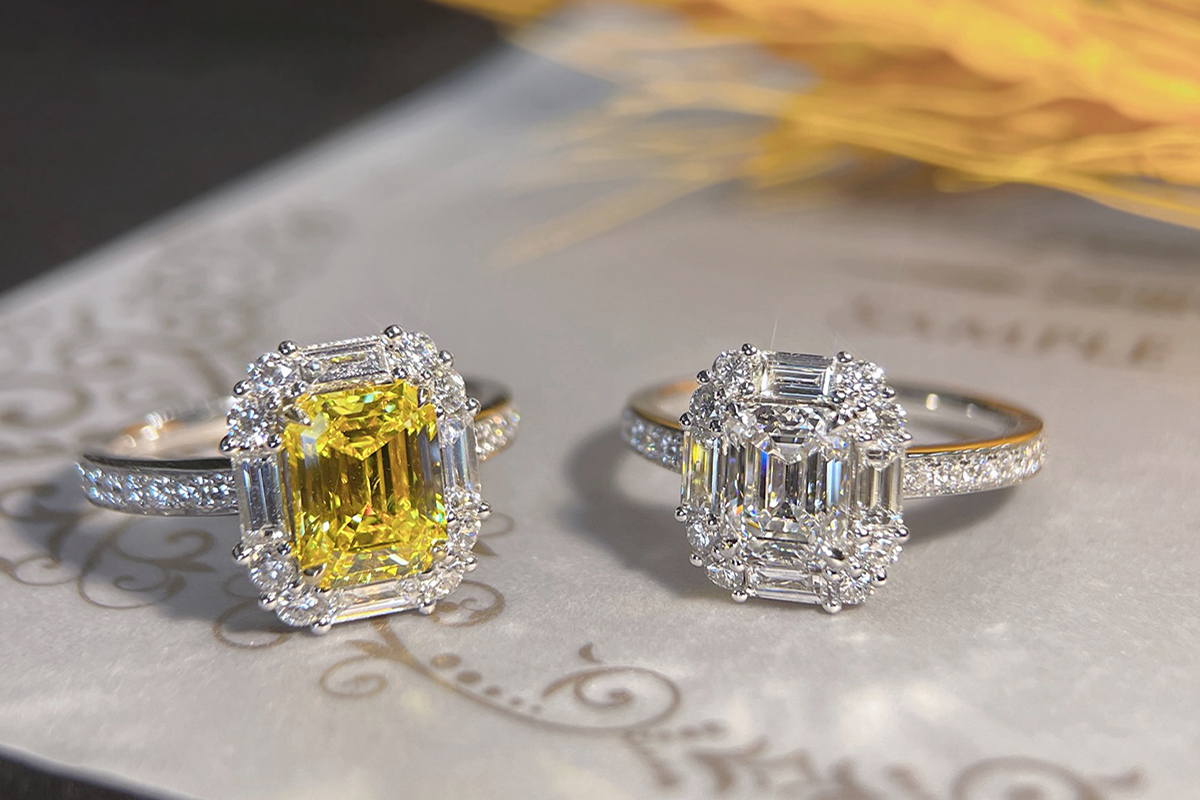
The affordability of lab-grown diamonds has been a driving force behind their increasing appeal among consumers. With prices typically lower than those of mined diamonds, individuals seeking stunning yet budget-friendly options for engagement rings, earrings, and other jewelry pieces are turning to lab-grown alternatives. Furthermore, as sustainability becomes an increasingly important consideration for conscientious consumers, the eco-friendly nature of lab-grown diamonds aligns with their values.
Market Growth and Acceptance
The market for lab-grown diamonds has experienced remarkable growth in recent years. As more consumers become aware of the ethical and environmental benefits associated with these gems, demand has surged. This trend is further amplified by advancements in production techniques that have enhanced the quality and size range of available lab-grown diamonds. Consequently, major players in the jewelry industry have embraced these synthetic gems, contributing to their widespread acceptance among retailers and buyers alike.
Traditional Diamond Consumption: A Tale of Timelessness
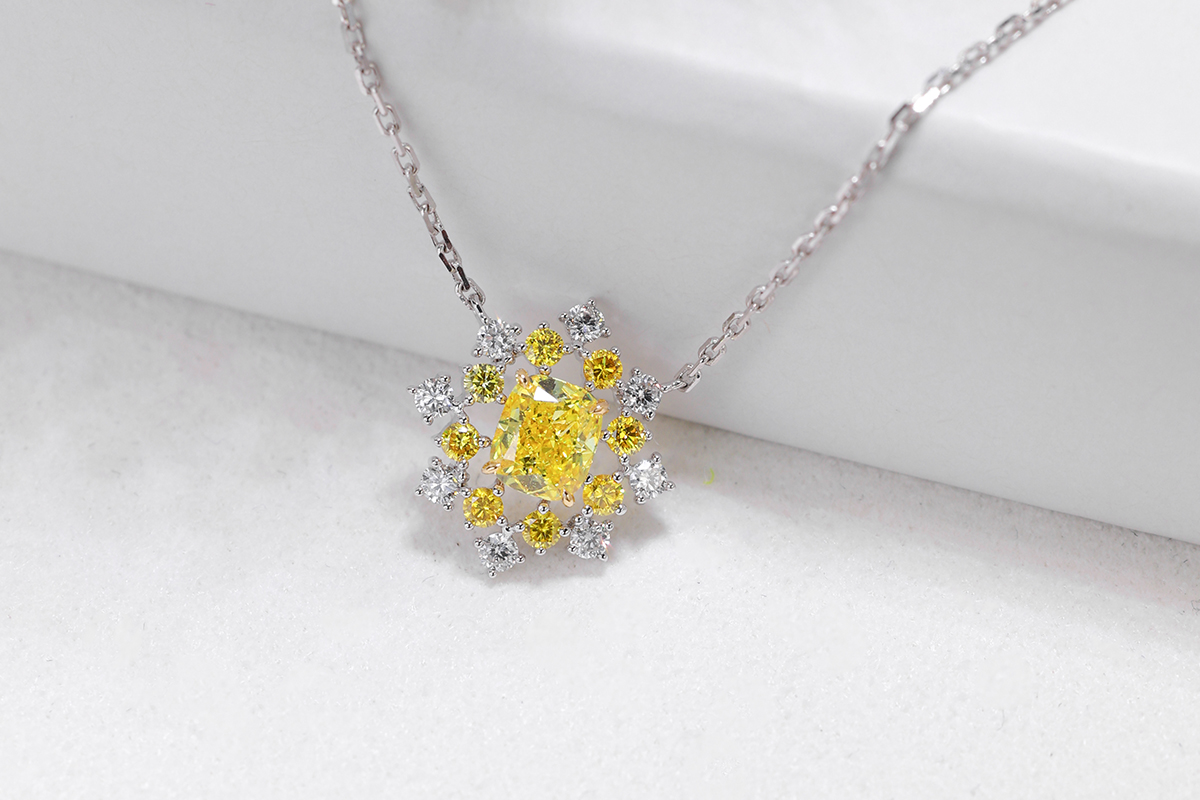
Traditional diamond consumption is deeply rooted in cultural significance and historical traditions, shaping the timeless allure of these precious gems. From symbolizing enduring love to marking significant life events, diamonds hold a revered place in societies around the world.
The Cultural Significance of Diamonds
Symbolism and Traditions
Diamonds have long been imbued with symbolic meaning, representing enduring love, strength, and commitment. Across various cultures, they serve as tangible expressions of deep emotional bonds and are often exchanged as tokens of affection during engagements, weddings, and anniversaries. The brilliance and resilience of diamonds mirror the lasting nature of human relationships, making them cherished symbols of unwavering devotion.
The Role of Diamonds in Major Life Events
In many societies, the presentation of a diamond engagement ring is a time-honored tradition signifying a couple's decision to embark on a lifelong journey together. This ritual has transcended generations and continues to be a poignant declaration of love and commitment. Furthermore, diamonds play a pivotal role in commemorating other significant milestones such as milestone birthdays, achievements, and celebrations of enduring partnerships.
The Market for Traditional Diamonds
Leading Producers and Consumers
The global market for traditional diamonds is characterized by a diverse landscape of producers and consumers. Leading producers such as Russia, Botswana, Canada, and Australia contribute significantly to the global supply of natural diamonds. These countries boast rich diamond reserves and employ advanced mining technologies to extract rough diamonds from deep within the Earth's crust.
On the consumer front, regions such as North America, Europe, Asia-Pacific, and the Middle East exhibit substantial demand for traditional diamonds. Each region showcases unique preferences in diamond jewelry styles and designs influenced by cultural aesthetics and evolving fashion trends.
The Impact of Economic Factors
Economic dynamics play a pivotal role in shaping the traditional diamond market. Fluctuations in global economic conditions can influence consumer purchasing power and demand for luxury goods like diamonds. Additionally, factors such as currency exchange rates, inflation rates, and disposable incomes impact consumer sentiment towards high-value purchases including diamond jewelry.
Moreover:
Changes in consumer behavior relating to diamond purchases are deeply entwined with cultural norms.
The growth in the diamond market is expected to be driven by several factors including increasing consumer preference for luxury.
Regional Perspectives in Diamond Consumption, Including Regional Preferences, Trends, and Traditions
North America: A Blend of Tradition and Innovation
Consumer Preferences and Buying Behaviors
In North America, diamond consumption reflects a harmonious blend of tradition and innovation. Consumers in the region exhibit diverse preferences when it comes to diamond jewelry, influenced by cultural heritage and contemporary trends. While traditional mined diamonds continue to hold significant appeal, there is a growing interest in embracing lab-grown diamonds as a sustainable and ethically conscious choice.
When it comes to buying behaviors, North American consumers prioritize quality, craftsmanship, and ethical sourcing. They seek assurance that the diamonds they purchase adhere to responsible mining practices or are ethically produced through sustainable methods. This conscientious approach underscores the increasing demand for transparent supply chains and eco-friendly alternatives within the diamond market.
The Popularity of Lab-Grown Diamonds
The popularity of lab-grown diamonds has been steadily rising across North America. This trend is driven by factors such as environmental awareness, ethical considerations, and an affinity for innovative technologies. Consumers are drawn to the idea of owning exquisite diamond jewelry while contributing to sustainability efforts. The accessibility of lab-grown diamonds at competitive price points further amplifies their appeal among individuals seeking high-quality gemstones with a reduced environmental footprint.
Asia-Pacific: The Rising Star in Diamond Consumption
India's Dominance in the Diamond Market
Within the Asia-Pacific region, India stands as a dominant force in the global diamond market, wielding substantial influence over production, trade, and consumption. The country's rich cultural heritage intertwines with its deep-rooted association with diamonds, shaping consumer preferences and industry dynamics. India's expertise in diamond cutting and polishing has positioned it as a pivotal player in the global diamond supply chain.
Cultural Factors Influencing Diamond Consumption
Cultural factors play a pivotal role in shaping diamond consumption patterns across various countries within the Asia-Pacific region. Traditional customs and ceremonies often feature elaborate displays of diamond jewelry as symbols of prosperity, auspiciousness, and social status. Moreover, evolving fashion trends intersect with cultural motifs to drive unique preferences for diamond designs that resonate with regional aesthetics.
Europe: A Market of Diverse Tastes
Traditional vs. Lab-Grown: A European Perspective
In Europe, diamond consumption reflects a spectrum of tastes encompassing both traditional natural diamonds and emerging lab-grown alternatives. Consumers across European nations exhibit discerning preferences shaped by historical legacies intertwined with modern sensibilities. While natural diamonds maintain their timeless allure, lab-grown counterparts are gaining traction among individuals seeking sustainable luxury without compromising on elegance.
The Influence of Luxury Brands
Luxury brands wield significant influence over diamond consumption trends in Europe. Their artful curation of diamond jewelry collections resonates with discerning clientele who value exclusivity and exceptional craftsmanship. These brands serve as tastemakers within the industry, setting benchmarks for design innovation while upholding stringent ethical standards in sourcing materials.
Looking Ahead: The Future of Diamonds
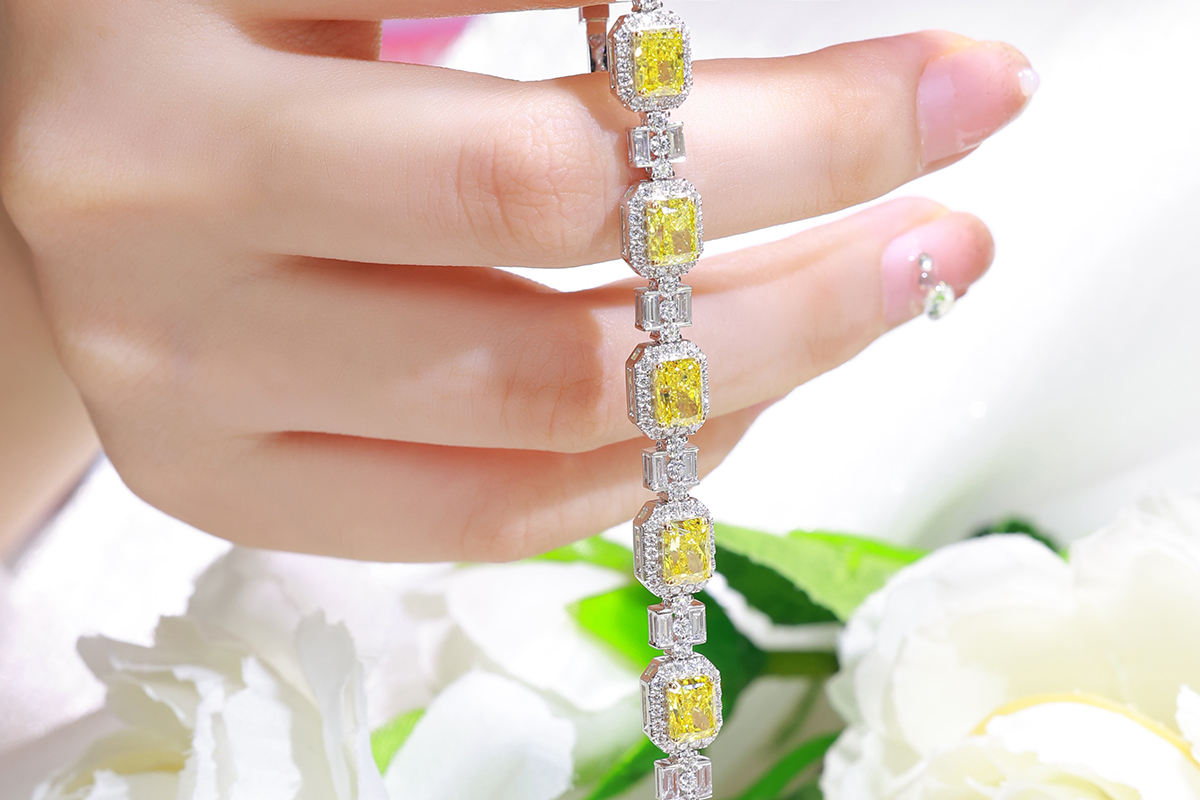
As the diamond industry continues to evolve, several key trends are shaping the future of diamond consumption and influencing the trajectory of both lab-grown and traditional diamonds.
Trends Shaping the Future of Diamond Consumption
Technological Advancements
The future of diamond consumption is intricately linked with ongoing technological advancements in the production and processing of diamonds. Innovations in diamond synthesis techniques are poised to revolutionize the industry, leading to enhanced efficiency, scalability, and quality control in lab-grown diamond manufacturing. Additionally, advancements in precision cutting and polishing technologies will further elevate the brilliance and fire of both natural and lab-grown diamonds, offering consumers an unparalleled visual experience.
Changing Consumer Values
Shifts in consumer values are anticipated to play a pivotal role in shaping the future landscape of diamond consumption. Increasing emphasis on sustainability, ethical sourcing, and transparency within supply chains is expected to drive demand for responsibly sourced diamonds. Consumers are likely to seek out brands that demonstrate a commitment to environmental stewardship and ethical labor practices, thereby influencing their purchasing decisions towards sustainable diamond options.
Predictions for Lab-Grown and Traditional Diamonds
Market Projections
Looking ahead, market projections indicate a continued growth trajectory for lab-grown diamonds, fueled by rising consumer awareness of their ethical and environmental advantages. The global market size for lab-grown diamonds is forecasted to expand significantly, driven by increasing demand across diverse consumer segments seeking sustainable luxury options. Conversely, traditional diamonds are projected to maintain their enduring appeal while adapting to meet evolving consumer preferences for ethically sourced natural gems.
The Role of Innovation in Sustainability
Innovation will serve as a cornerstone for advancing sustainability within the diamond industry. Continued research into eco-friendly production methods for both natural and lab-grown diamonds will lead to reduced environmental impact throughout the supply chain. Furthermore, collaborative efforts between industry stakeholders to implement responsible mining practices and support community development initiatives will contribute to a more sustainable future for diamond consumption.
See Also
Can Lab-Created Diamonds Revolutionize the Future of Engagement Rings?
Lab-Created Diamonds: Shaping the Future of Luxury with Growing Allure
Lab-Grown Diamonds: The Jewelry World's Future Luxury Trend
Can Lab-Created Diamonds Forever Change Engagement Rings?
Embracing Sustainable Glamour: My Journey with Lab-Created Diamonds
