Lab-Grown Diamonds 101: Your Beginner's Guide

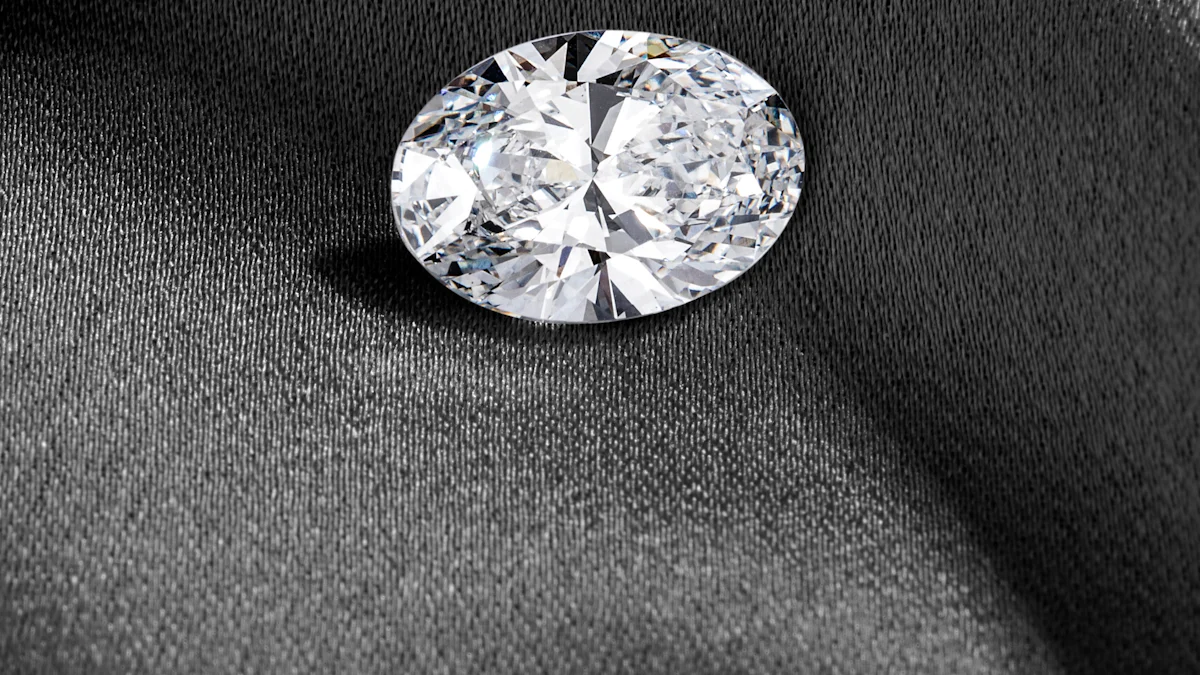
Lab-grown diamonds, also known as synthetic or cultured diamonds, offer an ethical and sustainable alternative to mined diamonds. Lightmark Jewelry's guide provides a comprehensive introduction to these eco-friendly gems, covering their origin, characteristics, and benefits. Whether you're new to the concept or seeking affordable luxury without compromising quality, this beginner's guide is your key to understanding lab-grown diamonds.
Introduction to Lab-Grown Diamonds
What Are Lab-Grown Diamonds?
Lab-grown diamonds, also referred to as synthetic or cultured diamonds, are created in a controlled laboratory environment using advanced technological processes. These diamonds possess the same physical, chemical, and optical properties as natural diamonds, making them an ethical and sustainable alternative to mined diamonds. They are indistinguishable from natural diamonds to the naked eye and require expert gemological equipment for differentiation.
Definition and Basic Facts
Lab-grown diamonds are produced through either High Pressure-High Temperature (HPHT) or Chemical Vapor Deposition (CVD) methods. The HPHT method involves subjecting a diamond seed to high pressure and temperature to stimulate diamond growth. On the other hand, the CVD method utilizes a carbon-rich gas in a controlled chamber to form diamond crystals on a substrate.
The Similarities with Natural Diamonds
Lab-grown diamonds exhibit identical physical and chemical characteristics to natural diamonds. Both types of diamonds have the same crystal structure, refractive index, hardness, and dispersion. This means that lab-grown diamonds possess the brilliance, fire, and durability that are synonymous with natural diamonds.
The History Behind Lab-Grown Diamonds
The journey of lab-grown diamonds dates back to their early beginnings in the 1950s when scientists first began experimenting with diamond synthesis. Over time, technological advancements have refined the production process, leading to the creation of high-quality lab-grown diamonds that rival their natural counterparts in every aspect.
The Creation of Lab-Grown Diamonds
Lab-Grown Diamonds 101: A Beginner's Guide by Lightmark Jewelry
Lab-grown diamonds have revolutionized the jewelry industry, offering an eco-friendly and sustainable alternative to mined diamonds. Lightmark Jewelry's comprehensive beginner's guide provides valuable insights into the creation process, characteristics, and benefits of lab-grown diamonds. Whether you're new to the concept or seeking affordable luxury, this guide is your gateway to understanding these ethical gems.
High Pressure-High Temperature (HPHT) Method
The HPHT method involves subjecting a small diamond seed to high pressure and temperature conditions that mimic the natural diamond-growing environment deep within the Earth's mantle. This stimulates the growth of a larger diamond around the seed, resulting in a high-quality lab-grown diamond with exceptional brilliance and durability.
Chemical Vapor Deposition (CVD) Method
In contrast, the CVD method utilizes a carbon-rich gas in a controlled chamber to form diamond crystals on a substrate. This process involves creating a plasma ball from the gas, which then deposits layers of carbon atoms onto a substrate, gradually building up into a pure diamond crystal. The CVD method allows for greater control over the growth process, resulting in diamonds with precise characteristics and exceptional purity.
The Science Behind the Sparkle
Lab-grown diamonds begin their journey as tiny carbon seeds placed in an environment that replicates the natural forces that create diamonds beneath the Earth's surface. Through advanced technological processes, these seeds undergo transformation into exquisite diamonds with remarkable sparkle and fire.
From Carbon to Diamond
The transformation from carbon to diamond involves carefully controlled conditions that enable carbon atoms to arrange themselves in the crystal structure unique to diamonds. This meticulous process ensures that each lab-grown diamond possesses exceptional clarity and purity while maintaining ethical sourcing practices.
Quality and Characteristics
Lab-grown diamonds exhibit outstanding quality and characteristics comparable to natural diamonds. They boast excellent color clarity and are available in various shapes and sizes, making them an attractive choice for those seeking sustainable luxury without compromising on beauty or value.
Benefits of Choosing Lab-Grown
Ethical and Sustainable Choice
Lab-grown diamonds offer an ethical and sustainable choice for conscientious consumers. By opting for lab-grown diamonds, individuals contribute to a reduced environmental impact and support ethical considerations in the jewelry industry. Unlike mined diamonds, the production of lab-grown diamonds minimizes ecological disruption and eliminates the need for extensive mining operations.
Environmental Impact
The environmental impact of lab-grown diamonds is significantly lower than that of mined diamonds. The process of creating lab-grown diamonds consumes fewer natural resources and reduces the carbon footprint associated with traditional diamond mining. This eco-friendly approach aligns with the growing demand for sustainable practices in various industries, including jewelry manufacturing.
Ethical Considerations
Choosing lab-grown diamonds also addresses ethical concerns related to diamond mining. These ethically sourced gems are free from the controversies surrounding labor conditions and human rights violations often associated with traditional diamond mining operations. Consumers can confidently embrace the beauty of lab-grown diamonds while supporting transparent and responsible sourcing practices.
Affordability and Value
In addition to their ethical advantages, lab-grown diamonds offer exceptional affordability without compromising on value or quality. Comparing prices between lab-grown and natural diamonds reveals a noticeable difference, making lab-grown options more accessible to a wider audience seeking exquisite jewelry pieces.
Price Comparison with Natural Diamonds
Lab-grown diamonds present a cost-effective alternative to natural diamonds, allowing individuals to acquire stunning pieces at a fraction of the cost. The price disparity between these two options makes it possible for consumers to invest in high-quality, ethically sourced jewelry without exceeding their budgetary constraints.
Maintaining Quality and Brilliance
Despite their affordability, lab-grown diamonds maintain exceptional quality and brilliance comparable to natural counterparts. Their identical physical properties ensure that they exhibit remarkable sparkle, fire, and durability, providing wearers with timeless elegance at an attractive price point.
How to Choose the Right Lab-Grown Diamond
Understanding the 4Cs
When choosing a lab-grown diamond, understanding the 4Cs is essential for making an informed decision. The 4Cs refer to Cut, Color, Clarity, and Carat Weight, which collectively determine the quality and value of a diamond.
Cut
The cut of a diamond influences its brilliance and fire. A well-cut lab-grown diamond reflects light beautifully, creating stunning sparkle and enhancing its overall appearance.
Color
Lab-grown diamonds are available in various colors, with colorless being the most sought after. However, some individuals prefer fancy colored lab-grown diamonds, adding a unique touch to their jewelry pieces.
Clarity
Clarity assesses the presence of internal flaws or inclusions within a diamond. Opting for a lab-grown diamond with minimal imperfections ensures exceptional transparency and brilliance.
Carat Weight
Carat weight refers to the size of a diamond. It's important to consider personal preferences and budget when selecting the carat weight of a lab-grown diamond.
Where to Buy Lab-Grown Diamonds
Choosing a Reputable Seller
When purchasing lab-grown diamonds, it's crucial to choose a reputable seller with expertise in ethical sourcing and sustainable practices. Look for certifications and customer reviews to ensure authenticity and quality.
Lightmark Jewelry's Selection
Lightmark Jewelry offers a diverse selection of exquisite lab-grown diamonds, each meticulously crafted to meet high standards of quality and sustainability. Their commitment to transparency and ethical sourcing makes them a trusted destination for acquiring stunning lab-grown diamond jewelry pieces.
In conclusion, lab-grown diamonds offer a range of benefits that make them an attractive choice for conscientious consumers. Their ethical and sustainable production process minimizes environmental impact and supports responsible sourcing practices. Additionally, the affordability of lab-grown diamonds provides an opportunity for individuals to invest in high-quality jewelry without exceeding their budget. Lightmark Jewelry's comprehensive guide, Lab-Grown Diamonds 101: A Beginner's Guide by Lightmark Jewelry, serves as a valuable resource for those considering these eco-friendly gems.
See Also
Creating Your Ideal Engagement Ring with Lab-Created Diamonds: A Detailed Process
Educating Yourself on the Myths about Lab-Made Diamonds
Unveiling the Reality of Lab-Created Diamonds: Exposing Common Myths
Selecting the Ideal Lab-Created Blue Diamond for Your Jewelry
Embracing Excellence and Integrity: Selecting Lab-Created Diamonds
