What to Look for in High-Quality Emerald and Diamond Earrings

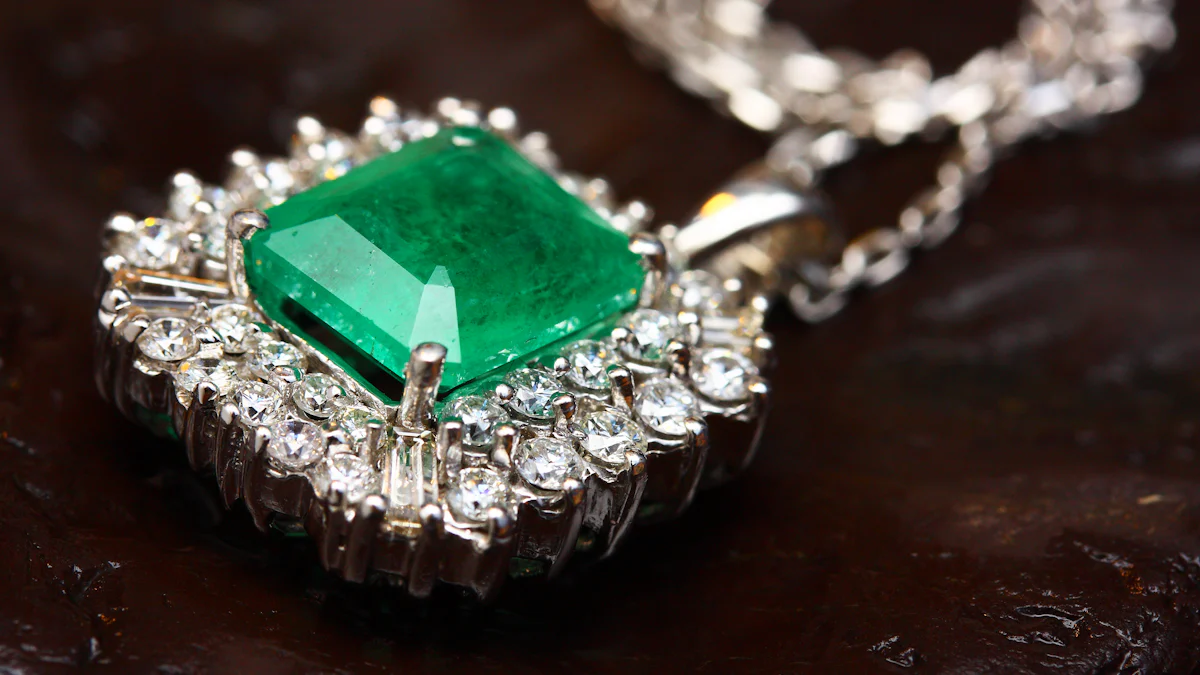
Emerald and diamond earrings captivate with their timeless allure. Emeralds, second only to diamonds in global popularity, owe their magnificent green hue to microscopic particles of vanadium and chromium. High-quality gemstones enhance the beauty and value of jewelry. Choosing superior emeralds and diamonds ensures a lasting investment. This blog explores key quality indicators and design options for discerning buyers.
Qualities of High-Quality Emeralds
Color
Ideal hue and saturation
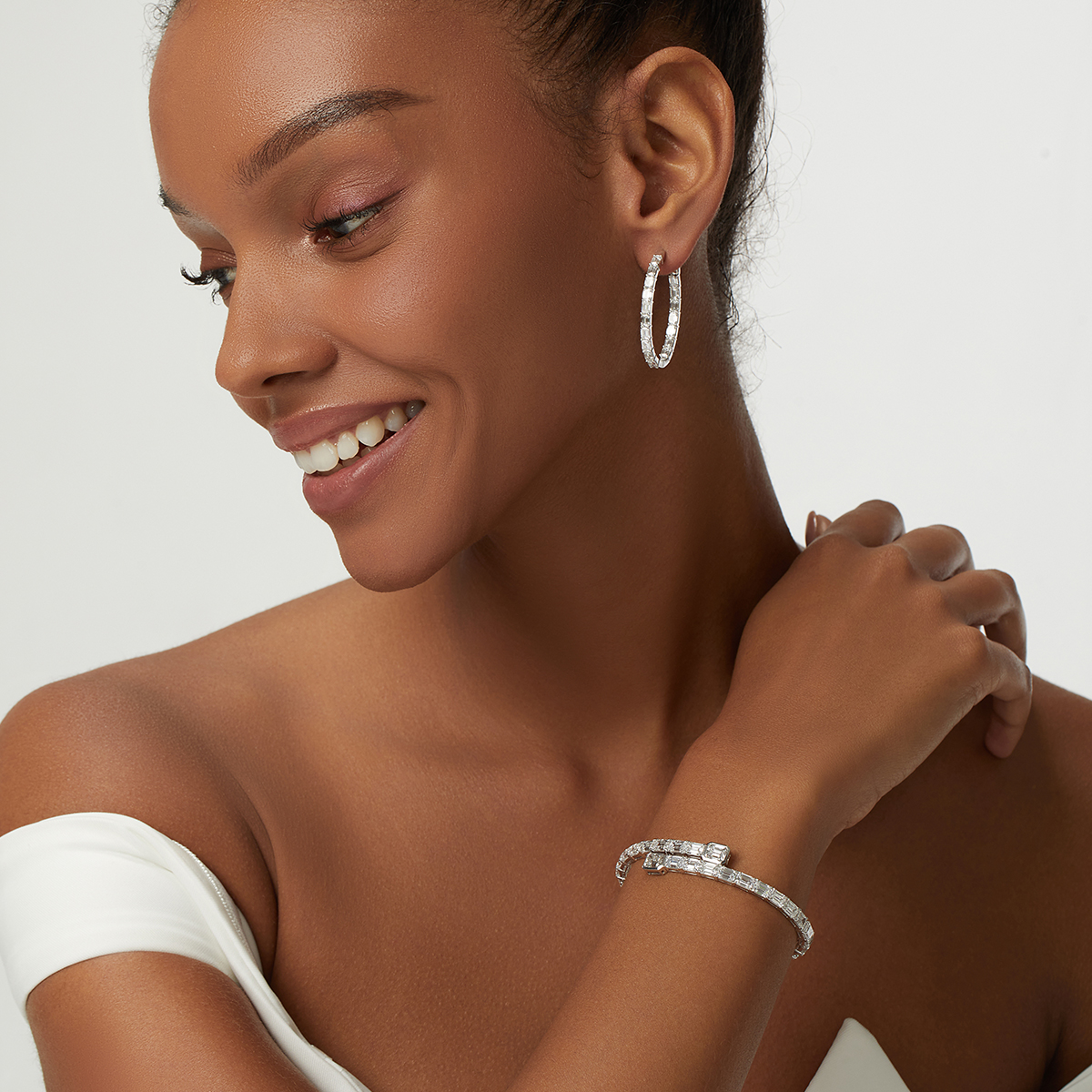
Emeralds with the most desirable colors exhibit a bluish-green to pure green hue. Vivid color saturation enhances the stone's appeal. A tone that is not too dark ensures the emerald's brilliance. High-quality emeralds display even color distribution without visible zoning. Stones with hues that are too yellowish or bluish lose value, as they fall into different beryl varieties.
Impact of color on value
The color of an emerald significantly influences its value. Stones with a rich, evenly distributed green command higher prices. The absence of color zoning and optimal saturation levels elevate the gemstone's market worth. Buyers should prioritize these attributes when selecting emerald earrings.
Clarity
Common inclusions in emeralds
Emeralds often contain inclusions known as "jardin," which resemble garden-like patterns. These inclusions result from the natural formation process. While inclusions are common, their visibility and impact on transparency vary. High-quality emeralds possess fewer and less noticeable inclusions.
How clarity affects appearance and value
Clarity plays a crucial role in an emerald's appearance and value. Stones with high transparency and minimal inclusions appear more vibrant and attractive. Inclusions can affect the stone's durability and overall aesthetic. Buyers should seek emeralds with better clarity to ensure a valuable investment.
Cut
Popular cuts for emeralds
Several cuts enhance the beauty of emeralds. The emerald cut, with its rectangular shape and step facets, remains popular. Other favored cuts include oval, round, and pear shapes. Each cut highlights different aspects of the stone's color and clarity.
Importance of cut in enhancing brilliance
The cut of an emerald significantly impacts its brilliance. A well-executed cut maximizes light reflection within the stone. This enhances the emerald's visual appeal. Poorly cut stones may appear dull and less vibrant. Buyers should consider the quality of the cut to ensure the best possible brilliance in their earrings.
Carat Weight
Balancing size and quality
Carat weight measures the size of an emerald. Larger emeralds often attract more attention. However, size should not compromise quality. High-quality emeralds balance size with color, clarity, and cut. A large emerald with poor color or clarity loses its appeal. Buyers should prioritize overall quality over sheer size.
How carat weight influences price
Carat weight significantly impacts the price of emeralds. Larger stones command higher prices. However, the price also depends on color, clarity, and cut. An emerald with superior attributes in a smaller size may cost more than a larger, lower-quality stone. Buyers should consider all factors to make an informed investment.
Characteristics of High-Quality Diamonds
Emerald Cut Diamonds
Unique features of emerald cut
Emerald cut diamonds possess a rectangular shape with step facets. These facets create a hall-of-mirrors effect, enhancing the diamond's clarity. The large, open table of an emerald cut diamond showcases the stone's color and clarity. This cut emphasizes the diamond's natural beauty without excessive brilliance.
Why emerald cut is popular for diamond earrings
Emerald cut diamonds offer a sophisticated and elegant appearance. The elongated shape makes the wearer's neck appear longer and more graceful. This cut suits various earring styles, from classic studs to elaborate drop designs. The understated brilliance of emerald cut diamonds complements both casual and formal attire.
The Four Cs of Diamonds
Color
Diamond color ranges from D (colorless) to Z (light yellow or brown). High-quality diamonds fall within the D to F range. These diamonds appear colorless to the naked eye. Colorless diamonds exhibit maximum brilliance and fire. Buyers should prioritize diamonds with minimal color for superior quality.
Clarity
Clarity measures the presence of internal or external flaws, known as inclusions and blemishes. The clarity scale ranges from Flawless (FL) to Included (I). High-quality diamonds have fewer and less visible inclusions. Diamonds with higher clarity grades appear more brilliant and valuable. Buyers should seek diamonds with clarity grades of VS2 (Very Slightly Included) or higher.
Cut
The cut of a diamond determines its brilliance and sparkle. A well-cut diamond reflects light internally and externally, creating maximum brightness. Cut grades range from Excellent to Poor. High-quality diamonds feature Excellent or Very Good cut grades. The precision of the cut enhances the diamond's overall appearance and value.
Carat Weight
Carat weight measures a diamond's size. Larger diamonds command higher prices. However, carat weight alone does not determine a diamond's quality. High-quality diamonds balance carat weight with color, clarity, and cut. A smaller diamond with superior attributes may offer better value than a larger, lower-quality stone. Buyers should consider all four Cs when selecting diamond earrings.
Design Options for Emerald and Diamond Earrings
Classic Designs
Studs
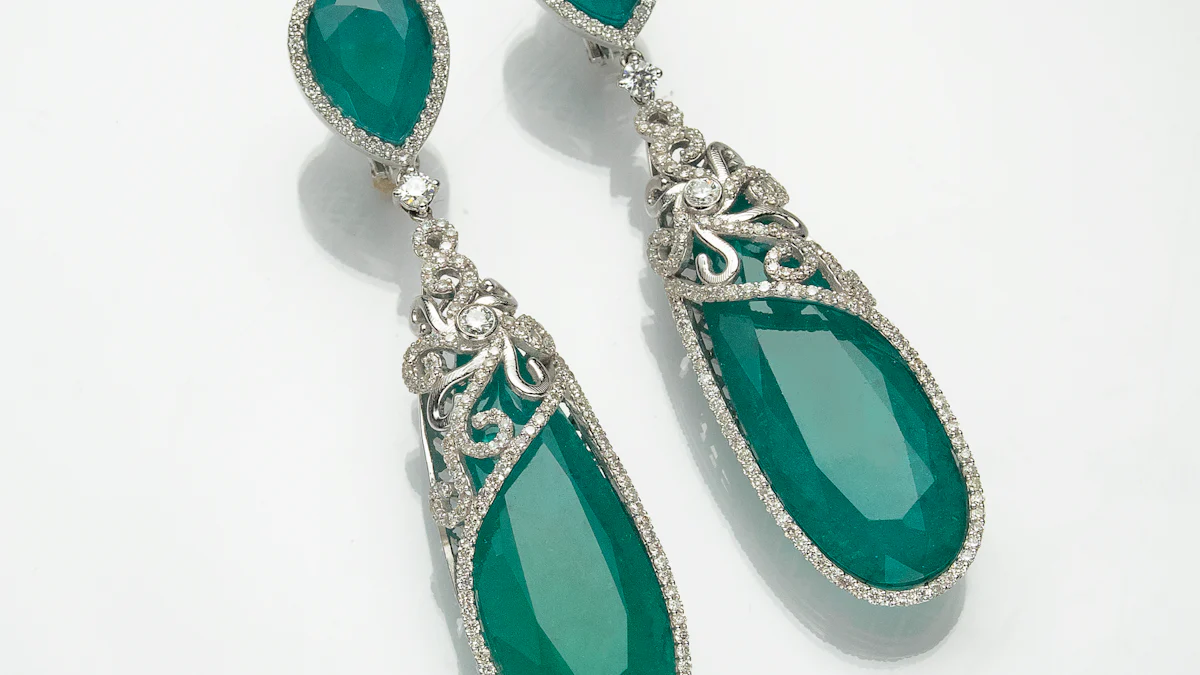
Stud earrings offer a timeless and elegant choice for emerald and diamond earrings. These earrings feature a single gemstone set in a secure metal setting. Gold or platinum often surrounds the emerald, enhancing its vibrant green hue. The simplicity of stud earrings allows the gemstones to take center stage. This design suits both casual and formal occasions, providing versatility for the wearer.
Drop Earrings
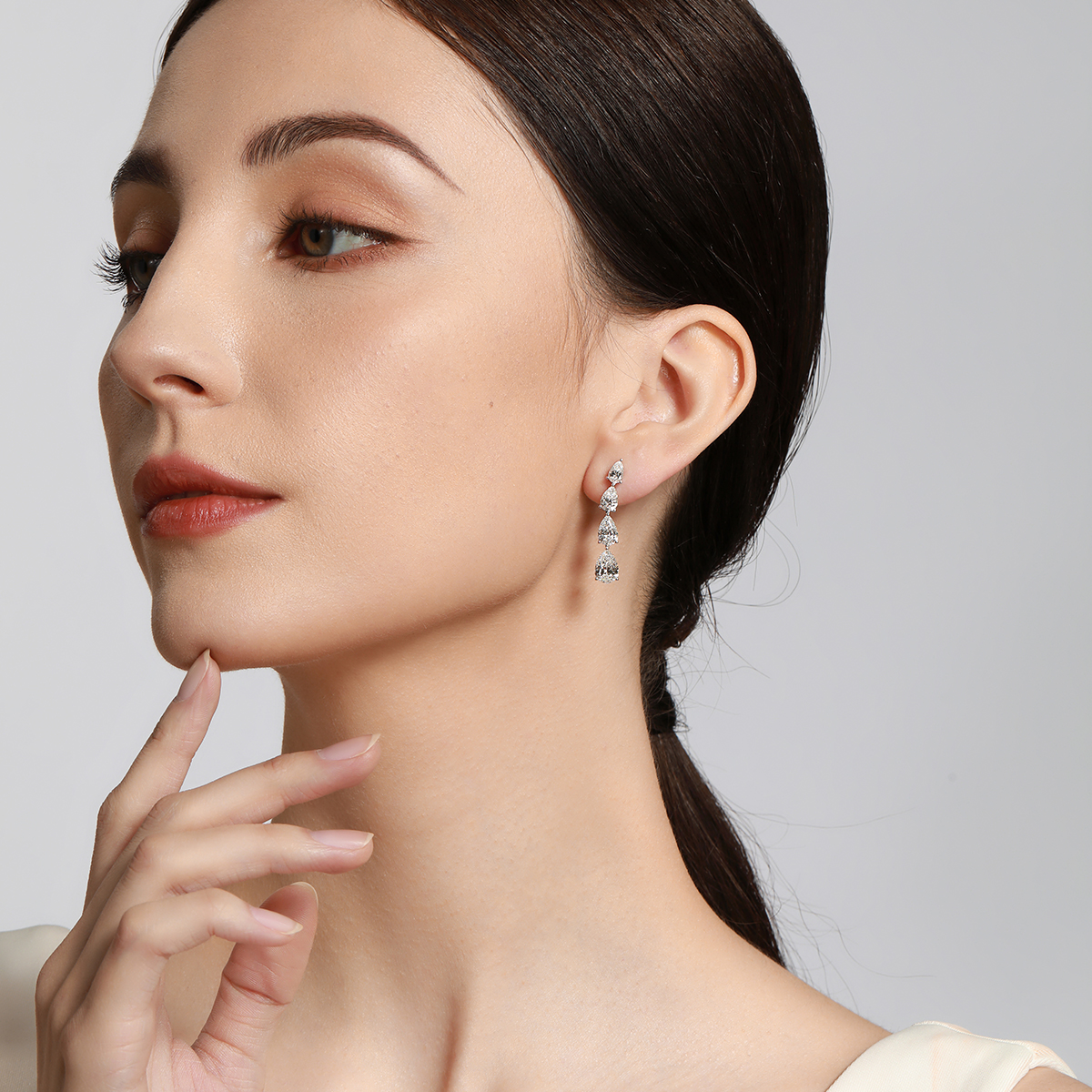
Drop earrings provide a more elaborate option for emerald and diamond earrings. These earrings dangle below the earlobe, creating movement and drawing attention. Designers often pair emeralds with diamonds in drop earrings to create a striking contrast. The combination of the rich green emeralds and sparkling diamonds adds sophistication to any outfit. Drop earrings can vary in length and complexity, catering to different tastes and preferences.
Modern and Custom Designs
Customization Possibilities
Customization allows buyers to create unique emerald and diamond earrings. Jewelers offer various options for personalizing these earrings. Customers can select specific gemstone qualities, such as color, clarity, and carat weight. Additionally, buyers can choose from different metal types, including gold, platinum, and silver. Custom designs can incorporate specific cuts and settings to match individual styles. Personalized emerald and diamond earrings make meaningful gifts and cherished heirlooms.
Trends in Contemporary Designs
Contemporary designs for emerald and diamond earrings embrace innovation and creativity. Current trends include asymmetrical designs, where each earring features a different arrangement of gemstones. Designers also experiment with mixed metals, combining gold and platinum for a modern look. Another popular trend involves geometric shapes, such as hexagons and triangles, adding a unique twist to traditional earrings. These contemporary styles appeal to fashion-forward individuals seeking distinctive jewelry pieces.
Final Tips for Buyers
Importance of Certification
Recognized gemological labs
Reputable gemological labs provide certification for gemstones. Labs such as GIA (Gemological Institute of America) and AGS (American Gem Society) hold high standards. Certification from these labs ensures the authenticity and quality of emeralds and diamonds. Buyers should prioritize earrings with certificates from recognized labs.
What to look for in a certificate
A certificate should detail the gemstone's characteristics. Key attributes include color, clarity, cut, and carat weight. The certificate should also mention any treatments or enhancements. Buyers should verify that the certificate matches the gemstone in the earrings. This verification guarantees a wise investment.
Budget Considerations
Balancing quality and cost
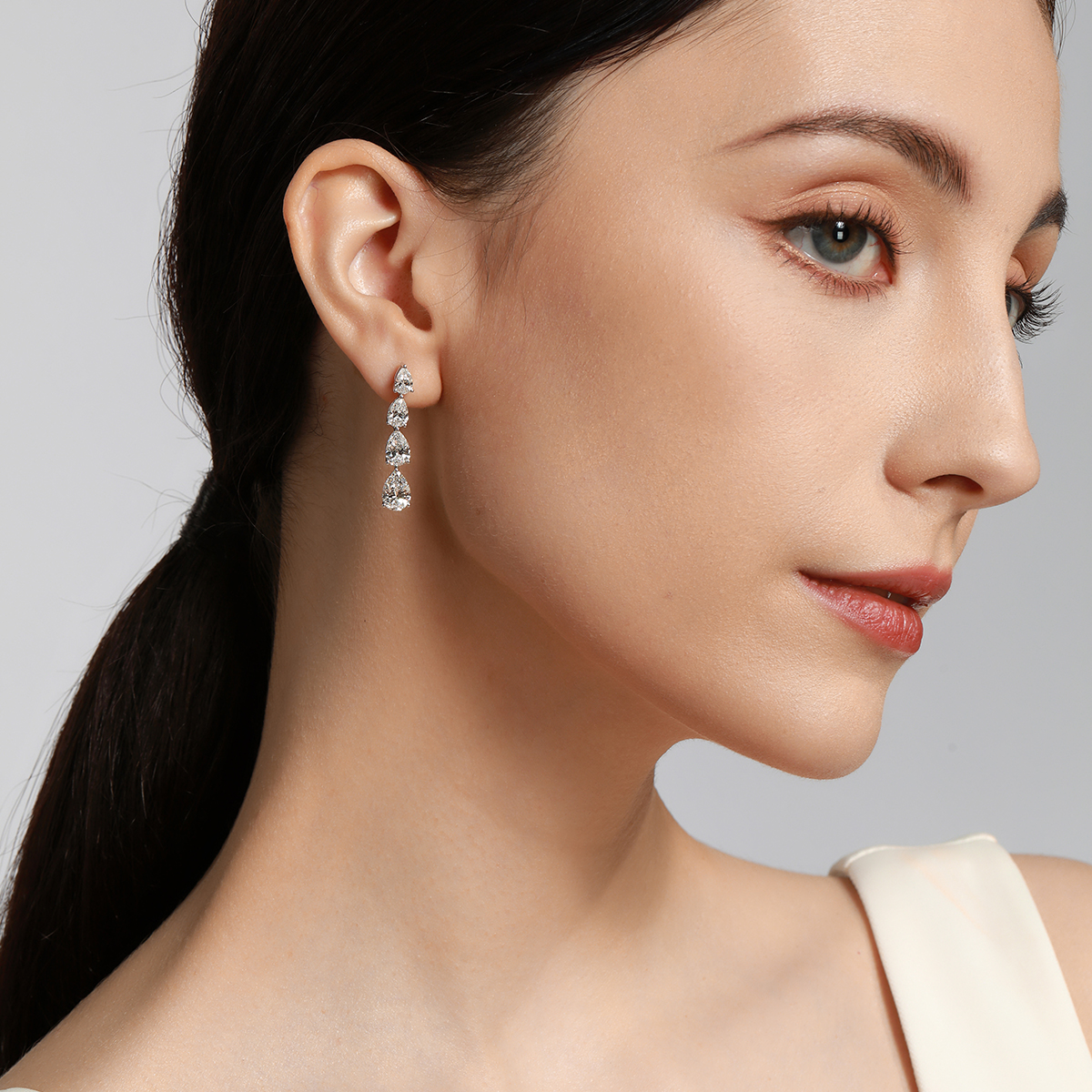
Quality and cost must align when purchasing emerald and diamond earrings. High-quality gemstones often come at a higher price. However, buyers should not sacrifice quality for size or quantity. Smaller, superior stones offer better value than larger, inferior ones. A balanced approach ensures a satisfying purchase.
Tips for making a wise investment
Investing in emerald and diamond earrings requires careful consideration. Buyers should research market prices and trends. Consulting with a professional jeweler provides valuable insights. Comparing different options helps in making an informed decision. Prioritizing certified gemstones and reputable sellers ensures a sound investment.
Selecting high-quality emerald and diamond earrings requires attention to several key factors. Buyers should consider color, clarity, cut, and carat weight for both gemstones. Informed decision-making ensures a valuable investment. Consulting with reputable gemological labs such as GIA, IGI, and SSEF provides certification and authenticity. Professional advice from experienced jewelers can guide buyers in making the best choices. Prioritizing quality over size or cost leads to a satisfying purchase.
