A Guide to Different Diamond Necklace Settings

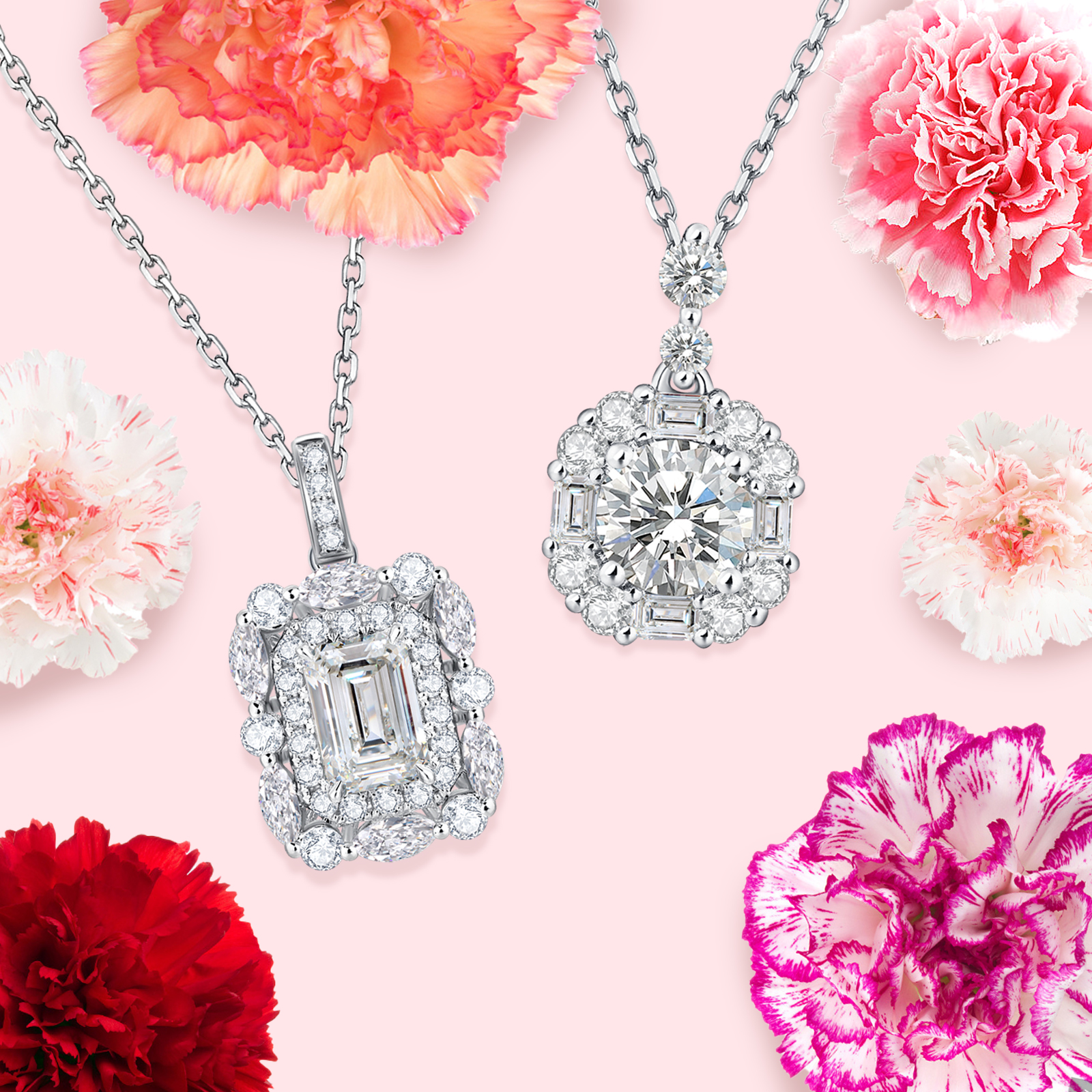
The diamond necklace setting refers to the method used to secure diamonds in a necklace. Choosing the right setting holds great importance for both aesthetics and durability. A well-chosen setting enhances the beauty of the diamond and ensures its safety. Different settings offer unique styles and benefits, making it essential to understand the options available.
Understanding the Diamond Necklace Setting
What is a Diamond Necklace Setting?
Definition and Explanation
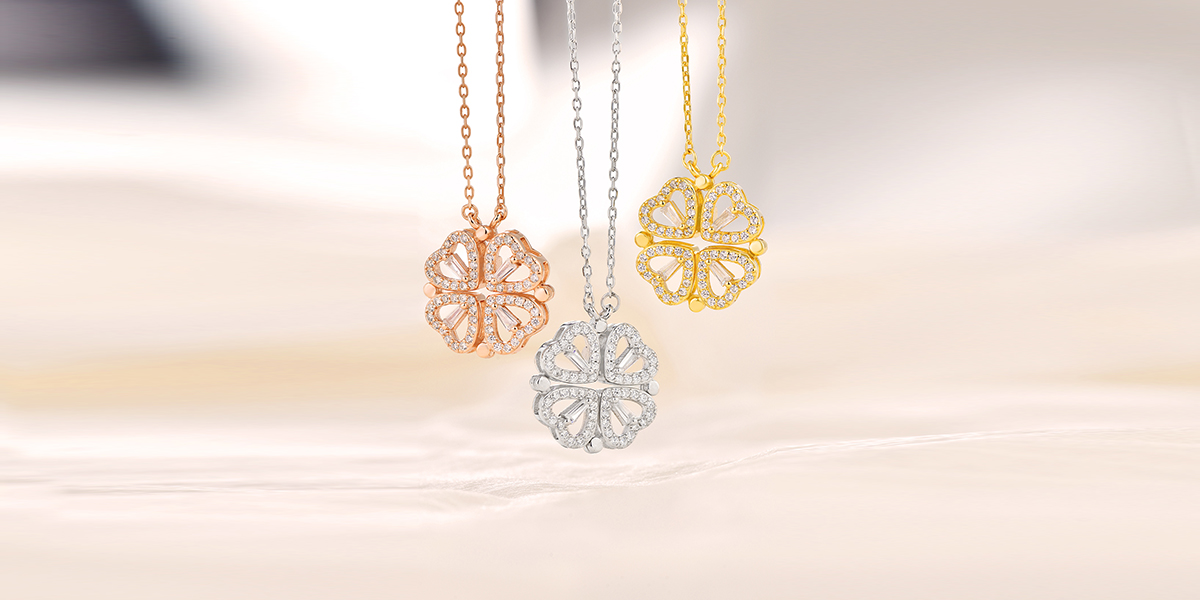
The diamond necklace setting refers to the method used to secure diamonds in a necklace. Jewelers design these settings to hold the diamonds firmly while enhancing their visual appeal. The setting plays a crucial role in determining how the diamond catches light, which impacts its brilliance.
Importance in Jewelry Design
The importance of the diamond necklace setting cannot be overstated. Jewelry experts emphasize that the setting not only secures the diamond but also influences the overall aesthetics of the necklace. A well-chosen setting can elevate the look and style of the necklace, making it a focal point of any outfit. Different settings offer various benefits, such as showcasing the diamond's height or featuring multiple stones.
Types of Diamond Necklace Settings
Prong Setting
The prong setting is one of the most popular choices for diamond necklaces. This setting uses metal prongs to hold the diamond securely in place. The prongs allow maximum light to enter the diamond, enhancing its sparkle. Prong settings often feature four or six prongs, depending on the design.
Bezel Setting
The bezel setting encircles the diamond with a metal rim. This setting offers excellent security for the stone and provides a sleek, modern look. The bezel setting protects the diamond from damage, making it ideal for everyday wear. This setting also minimizes the risk of the diamond snagging on clothing.
Pave Setting
The pave setting involves small diamonds set closely together with minimal metal visible. Jewelers use tiny beads or prongs to hold the diamonds in place. This setting creates a continuous surface of sparkle, giving the necklace a luxurious appearance. Pave settings are perfect for those who want a dazzling, eye-catching piece.
Channel Setting
The channel setting features diamonds set between two parallel metal bars. This setting provides a smooth and elegant look. The channel setting secures the diamonds well, making it suitable for active lifestyles. This type of setting is often used in tennis necklaces, where multiple diamonds line up in a row.
Halo Setting
The halo setting surrounds a central diamond with a circle of smaller diamonds. This setting enhances the size and brilliance of the central stone. The halo setting adds extra sparkle and creates a vintage-inspired look. This setting is ideal for those who want a statement piece that draws attention.
Popular Styles of Diamond Necklaces
Solitaire Diamond Necklaces
Characteristics
Solitaire diamond necklaces feature a single diamond as the centerpiece. Jewelers often use the prong setting for these necklaces to maximize the diamond's brilliance. The simplicity of the design highlights the diamond's natural beauty. Solitaire necklaces offer a timeless and elegant look.
Best Occasions to Wear
Solitaire diamond necklaces suit both casual and formal occasions. These necklaces make excellent gifts for anniversaries, birthdays, and other significant milestones. The classic design allows for versatile wear, making it a staple in any jewelry collection.
Diamond Pendant Necklaces
Characteristics
Diamond pendant necklaces often feature a single diamond or a cluster of diamonds hanging from a chain. Jewelers use various settings, including bezel and halo settings, to secure the diamonds. These necklaces offer a range of styles, from minimalist designs to elaborate arrangements. The versatility of diamond pendants makes them popular among designers.
Best Occasions to Wear
Diamond pendant necklaces are perfect for both everyday wear and special events. The elegant design makes them suitable for work, social gatherings, and formal occasions. Diamond pendants also make thoughtful gifts for loved ones, symbolizing love and commitment.
Diamond Choker Necklaces
Characteristics
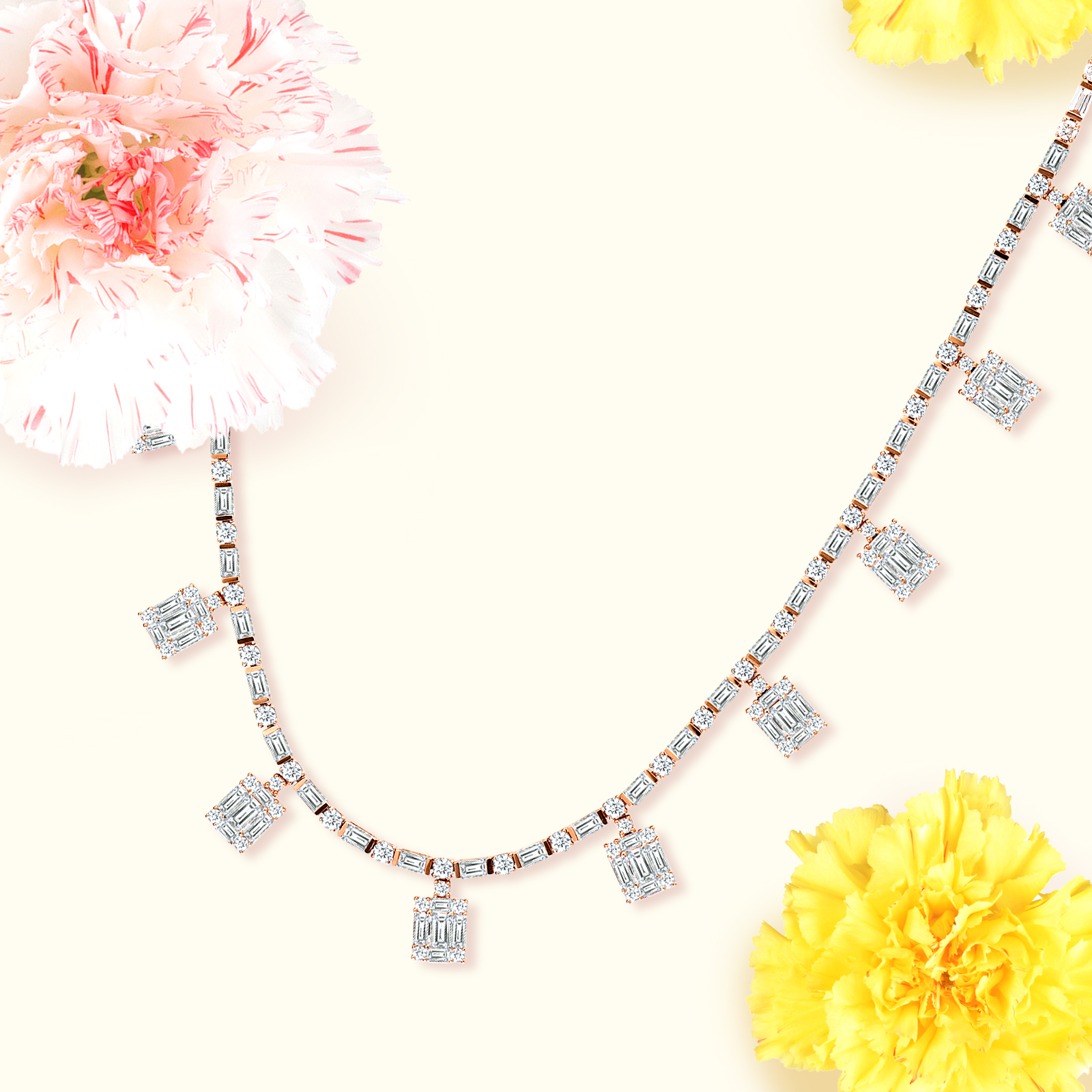
Diamond choker necklaces sit closely around the neck, creating a bold and fashionable statement. Jewelers often use pave or channel settings to ensure the diamonds stay secure. These necklaces can feature a continuous row of diamonds or a combination of diamonds and other gemstones. The design of diamond chokers adds a touch of glamour to any outfit.
Best Occasions to Wear
Diamond choker necklaces are ideal for evening events and formal occasions. The striking design makes them a focal point, perfect for weddings, galas, and other upscale gatherings. Diamond chokers also pair well with strapless or off-the-shoulder dresses, enhancing the overall look.
Diamond Tennis Necklaces
Characteristics
Diamond tennis necklaces feature a continuous line of diamonds set in a symmetrical pattern. Jewelers often use the prong setting or channel setting for these necklaces to ensure each diamond remains secure. The design of the diamond tennis necklace allows for maximum light exposure, enhancing the brilliance of each stone. These necklaces typically use diamonds of uniform size, creating a harmonious and elegant appearance.
The diamond tennis necklace offers a timeless and sophisticated look. The name "tennis necklace" originated from a famous incident involving tennis player Chris Evert, who lost her diamond bracelet during a match. Since then, the term has been associated with this style of jewelry. Diamond tennis necklaces are available in various metals, including white gold, yellow gold, and platinum, allowing for customization based on personal preference.
Best Occasions to Wear
Diamond tennis necklaces are versatile and suitable for various occasions. The elegance of the diamond tennis necklace makes it ideal for formal events such as weddings, galas, and black-tie affairs. The continuous line of diamonds adds a touch of luxury to any outfit, making a statement without being overly flashy.
For everyday wear, diamond tennis necklaces can elevate casual attire. The simplicity and sophistication of the design allow for seamless integration into both professional and social settings. Diamond tennis necklaces also make excellent gifts for significant milestones, such as anniversaries or birthdays, symbolizing enduring love and commitment.
Choosing the Right Diamond Necklace
Factors to Consider
Personal Style
Personal style plays a crucial role when selecting a diamond necklace. Some individuals prefer classic designs, while others lean toward modern aesthetics. The diamond necklace setting can significantly influence the overall look. For instance, a prong setting offers a traditional appearance, whereas a bezel setting provides a contemporary vibe. Understanding one's style helps in choosing a necklace that complements personal taste.
Occasion
The occasion for wearing the diamond necklace should also be considered. Formal events may require more elaborate designs, such as a halo setting or a diamond choker. Everyday wear might call for simpler styles like a solitaire diamond necklace. The diamond necklace setting should align with the event's formality. A pave setting, with its continuous sparkle, suits glamorous occasions, while a channel setting fits both casual and formal settings.
Budget
Budget constraints often dictate the choice of diamond necklace. Different settings come with varying costs. Prong settings generally cost less due to their minimal metal use. Bezel settings might be pricier because of the additional metal required. The diamond necklace setting impacts not only the aesthetic but also the price. Setting a budget helps narrow down options and ensures a satisfying purchase.
Tips for Purchasing
Quality of Diamonds
Quality remains paramount when purchasing a diamond necklace. The four Cs—cut, color, clarity, and carat weight—determine the diamond's quality. A well-cut diamond in a prong setting will exhibit maximum brilliance. The diamond necklace setting should enhance the stone's natural beauty. Buyers should prioritize high-quality diamonds to ensure long-term satisfaction.
Certification
Certification provides assurance of the diamond's authenticity and quality. Reputable organizations like the Gemological Institute of America (GIA) offer certification. Certified diamonds guarantee that the stone meets specific standards. The diamond necklace setting should securely hold a certified diamond. Certification adds value and trust to the purchase.
Trusted Jewelers
Purchasing from trusted jewelers ensures a reliable transaction. Established jewelers offer quality products and excellent customer service. The diamond necklace setting should be crafted with precision and care. Trusted jewelers provide warranties and return policies, adding peace of mind. Building a relationship with a reputable jeweler can lead to future benefits and personalized service.
Choosing the right diamond necklace setting remains crucial for both aesthetics and durability. The diamond necklace setting enhances the beauty of the diamond and ensures its safety. Personal style and occasion should guide the selection process. Each setting offers unique benefits that cater to different preferences and events. Making an informed purchase involves understanding the diamond necklace setting, considering quality, and consulting trusted jewelers. A well-chosen setting will provide lasting satisfaction and elevate any jewelry collection.
