Comparing Diamond Shapes for the Perfect Pendant

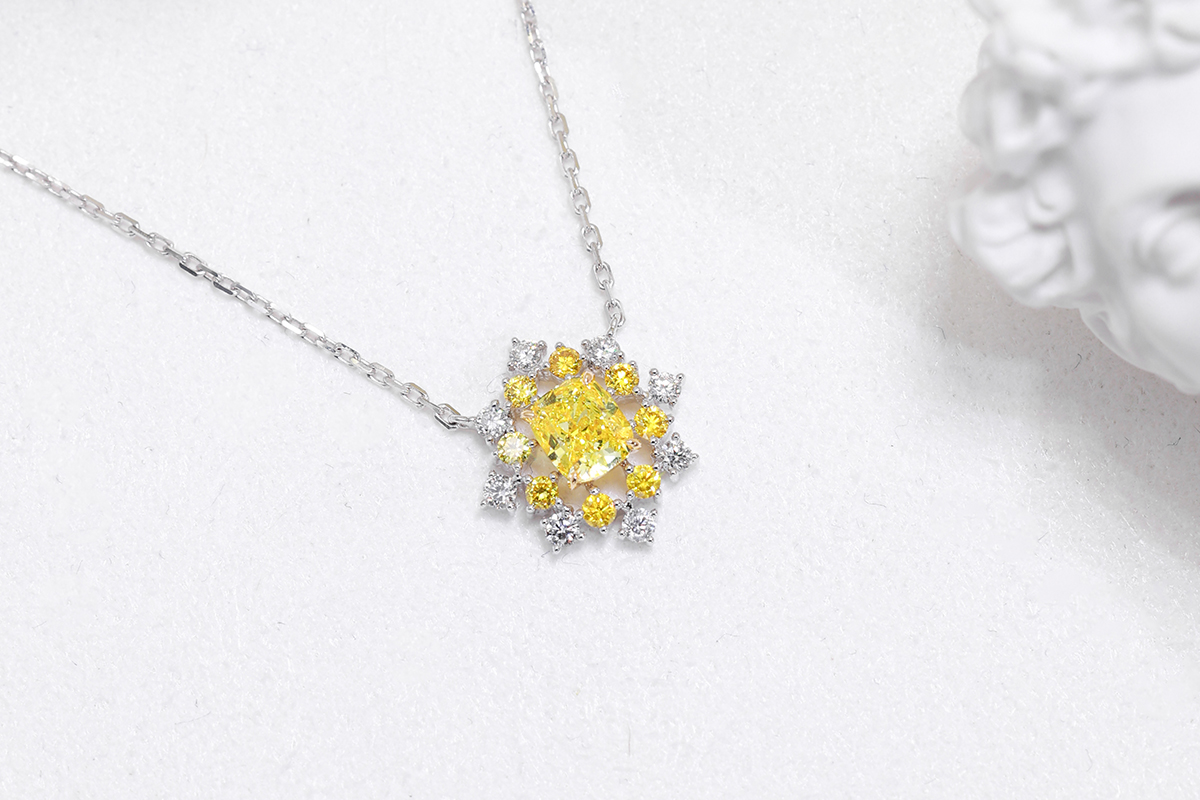
Choosing the right diamond shape for a pendant holds significant importance. The shape of a diamond impacts the pendant's overall appearance and style. Various diamond shapes, such as Round, Princess, Pear, and Marquise, offer unique characteristics and visual effects. This blog aims to compare different diamond shapes to help readers make an informed decision. Understanding the best diamond shape for pendant designs can enhance both the beauty and value of the jewelry piece.
Best Diamond Shape for Pendant: Round vs. Princess Cut
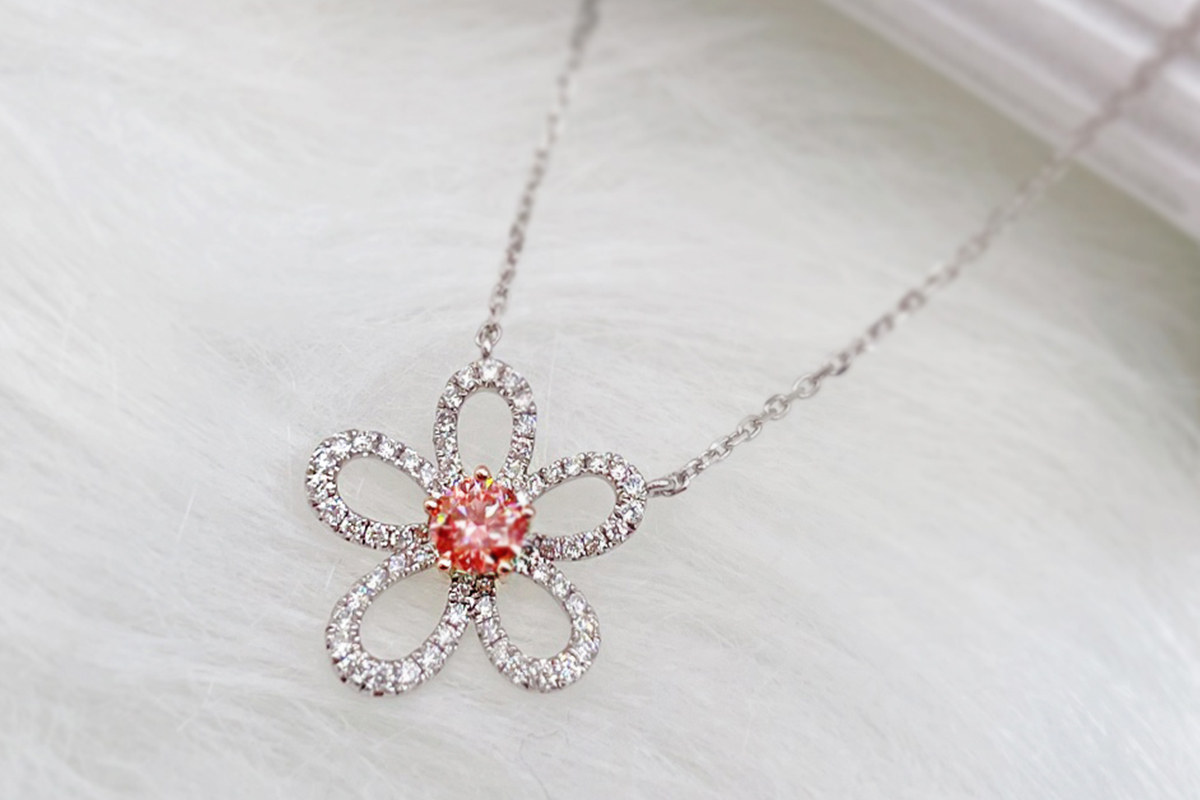
Overview of Round Cut Diamonds
Characteristics of Round Cut
Round cut diamonds exhibit a classic and timeless appeal. This shape features 58 facets, maximizing brilliance and fire. Jewelers often recommend round cuts for their ability to reflect light beautifully.
Suitability for Pendants
Round cut diamonds suit various pendant designs. Their symmetrical shape ensures a balanced and elegant appearance. Many consider round cuts the best diamond shape for pendant jewelry due to their versatility.
Pros and Cons
Pros:
High brilliance and sparkle
Versatile and timeless design
Hides inclusions well
Cons:
Higher cost compared to other shapes
Common and less unique
Overview of Princess Cut Diamonds
Characteristics of Princess Cut
Princess cut diamonds offer a modern and contemporary look. This shape features sharp, square corners and numerous facets. The princess cut combines brilliance with a unique geometric appearance.
Suitability for Pendants
Princess cut diamonds fit well in modern pendant designs. Their square shape adds a touch of sophistication. Many choose princess cuts for pendants to achieve a distinctive and stylish look.
Pros and Cons
Pros:
Modern and stylish appearance
High brilliance
Hides inclusions well
Cons:
Prone to chipping at corners
Less traditional than round cuts
Comparison: Round vs. Princess Cut
Visual Appeal
Round cut diamonds offer a classic and elegant look, while princess cut diamonds provide a modern and edgy style. Both shapes exhibit high brilliance, but round cuts often appear more traditional.
Durability
Round cut diamonds have fewer vulnerable points, making them more durable. Princess cut diamonds, with their sharp corners, may chip more easily. Consider lifestyle and daily wear when choosing between these shapes.
Price Considerations
Round cut diamonds generally cost more due to higher demand and cutting process complexity. Princess cut diamonds often provide a more budget-friendly option without sacrificing brilliance.
Best Diamond Shape for Pendant: Oval vs. Marquise Cut
Overview of Oval Cut Diamonds
Characteristics of Oval Cut
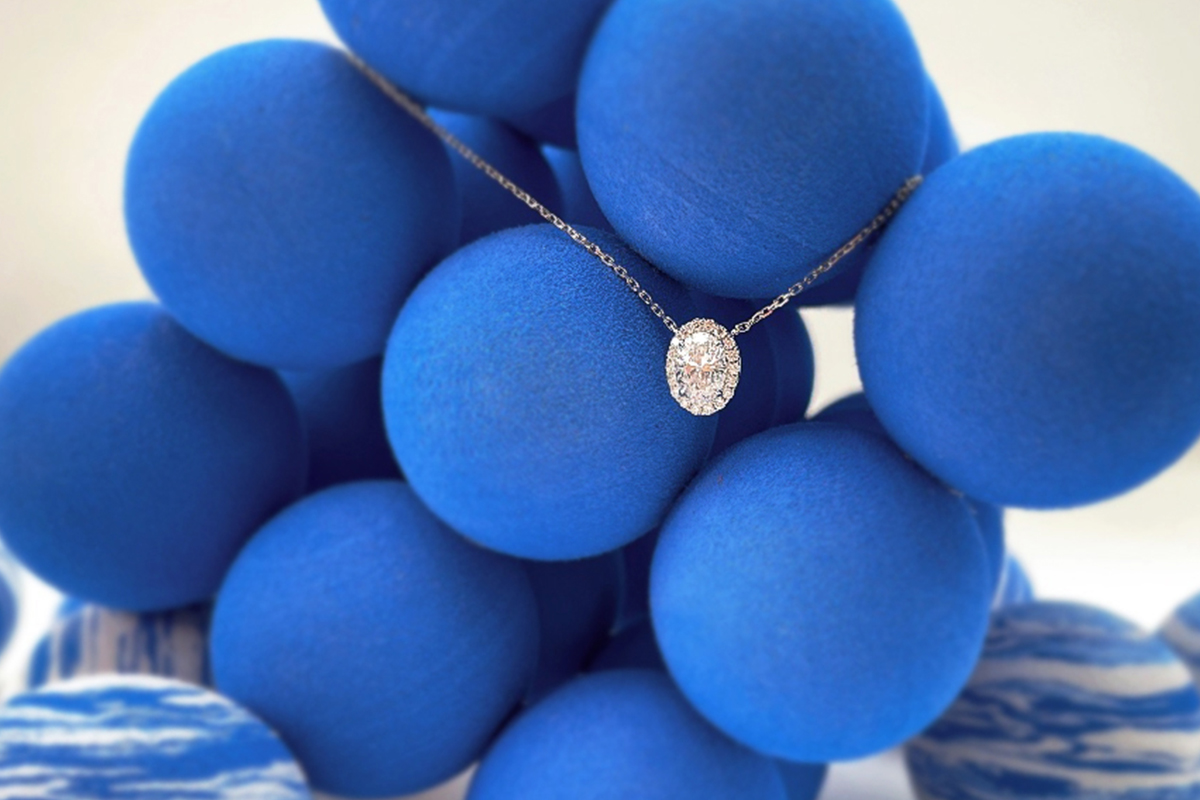
Oval cut diamonds exhibit an elongated shape with rounded edges. This shape maximizes brilliance and fire, similar to round cuts. Jewelers often recommend oval cuts for their ability to reflect light beautifully.
Suitability for Pendants
Oval cut diamonds suit various pendant designs. Their elongated shape enhances the appearance of the pendant, making it look larger. Many consider oval cuts the best diamond shape for pendant jewelry due to their versatility.
Pros and Cons
Pros:
High brilliance and sparkle
Elongated shape enhances size appearance
Versatile design
Cons:
Bow-tie effect may occur
Less traditional than round cuts
Overview of Marquise Cut Diamonds
Characteristics of Marquise Cut
Marquise cut diamonds feature an elongated shape with pointed ends. This shape creates a unique and elegant appearance. The marquise cut maximizes carat weight, making the diamond appear larger.
Suitability for Pendants
Marquise cut diamonds fit well in distinctive pendant designs. Their shape complements natural lines, offering a flattering look. Many choose marquise cuts for pendants to achieve a royal and sophisticated style.
Pros and Cons
Pros:
Unique and elegant appearance
Maximizes carat weight
Flattering shape
Cons:
Prone to chipping at points
Bow-tie effect may occur
Comparison: Oval vs. Marquise Cut
Visual Appeal
Oval cut diamonds offer a classic and sophisticated look, while marquise cut diamonds provide a unique and royal elegance. Both shapes exhibit high brilliance, but oval cuts often appear more versatile.
Durability
Oval cut diamonds have fewer vulnerable points, making them more durable. Marquise cut diamonds, with their pointed ends, may chip more easily. Consider lifestyle and daily wear when choosing between these shapes.
Price Considerations
Oval cut diamonds generally cost more due to higher demand and cutting process complexity. Marquise cut diamonds often provide a more budget-friendly option without sacrificing elegance.
Best Diamond Shape for Pendant: Emerald vs. Asscher Cut
Overview of Emerald Cut Diamonds
Characteristics of Emerald Cut
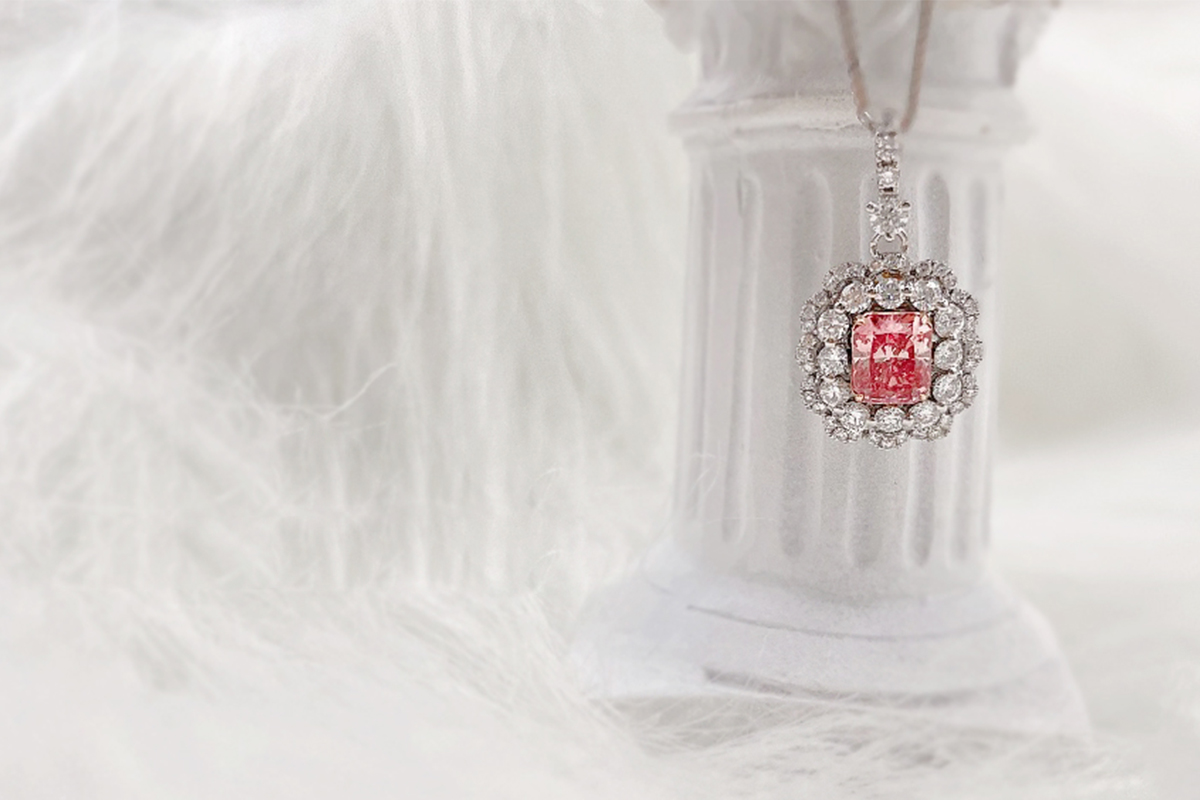
Emerald cut diamonds feature a rectangular shape with truncated corners. The step-cut facets create a hall of mirrors effect, enhancing the diamond's clarity. This cut emphasizes the stone's color and luster.
Suitability for Pendants
Emerald cut diamonds suit sophisticated pendant designs. The elongated shape adds elegance and sophistication. Many jewelers recommend emerald cuts for their ability to highlight the diamond's natural beauty.
Pros and Cons
Pros:
Elegant and sophisticated appearance
Highlights diamond clarity and color
Unique hall of mirrors effect
Cons:
Less brilliance compared to brilliant cuts
Visible inclusions due to large, open facets
Overview of Asscher Cut Diamonds
Characteristics of Asscher Cut
Asscher cut diamonds exhibit a square shape with deeply trimmed corners. The step-cut facets create a mesmerizing geometric pattern. This cut offers a vintage and art deco style, making it highly sought after.
Suitability for Pendants
Asscher cut diamonds fit well in vintage-inspired pendant designs. The square shape provides a balanced and symmetrical look. Many choose Asscher cuts for pendants to achieve a timeless and classic appearance.
Pros and Cons
Pros:
Vintage and art deco appeal
Symmetrical and balanced design
Unique geometric pattern
Cons:
Less brilliance compared to brilliant cuts
Visible inclusions due to large, open facets
Comparison: Emerald vs. Asscher Cut
Visual Appeal
Emerald cut diamonds offer an elongated and elegant look, while Asscher cut diamonds provide a vintage and geometric style. Both shapes emphasize clarity and color but differ in overall appearance.
Durability
Emerald cut diamonds have fewer vulnerable points, making them more durable. Asscher cut diamonds, with their deeply trimmed corners, also offer good durability. Consider lifestyle and daily wear when choosing between these shapes.
Price Considerations
Emerald cut diamonds generally cost more due to their sophisticated cutting process. Asscher cut diamonds often provide a more budget-friendly option without sacrificing elegance.
Best Diamond Shape for Pendant: Pear vs. Heart Cut
Overview of Pear Cut Diamonds
Characteristics of Pear Cut
Pear cut diamonds combine the elegance of round and marquise shapes. This shape features a rounded end tapering to a single point. Jewelers often refer to this shape as a teardrop. The pear cut maximizes brilliance and fire, similar to round cuts.
Suitability for Pendants
Pear cut diamonds suit various pendant designs. The teardrop shape adds a touch of sophistication and uniqueness. Many consider pear cuts ideal for pendants due to their ability to elongate the neckline visually.
Pros and Cons
Pros:
Unique and elegant appearance
High brilliance and sparkle
Elongates the neckline
Cons:
Prone to chipping at the pointed end
Bow-tie effect may occur
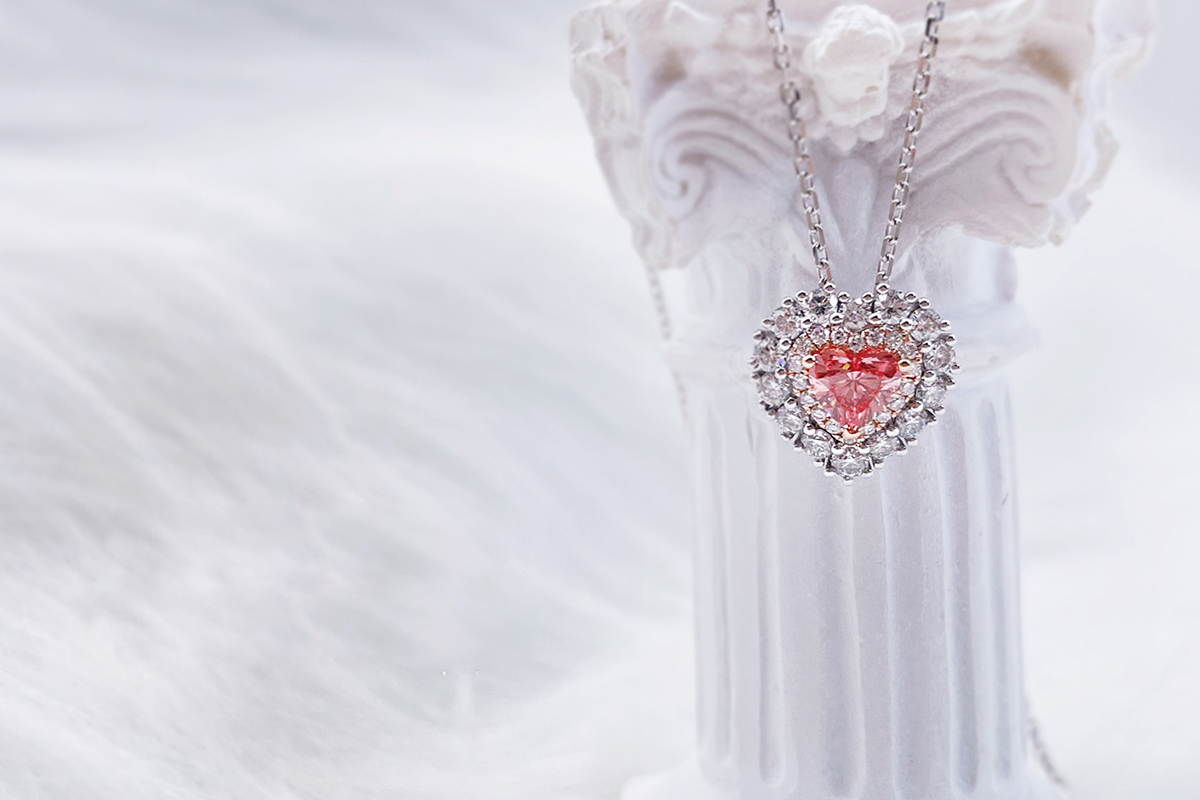
Overview of Heart Cut Diamonds
Characteristics of Heart Cut
Heart cut diamonds symbolize love and romance. This shape features a cleft at the top and a pointed bottom. Jewelers often recommend heart cuts for their sentimental value. The heart cut combines brilliance with a unique and recognizable shape.
Suitability for Pendants
Heart cut diamonds fit well in romantic pendant designs. The heart shape adds a touch of whimsy and charm. Many choose heart cuts for pendants to achieve a distinctive and meaningful look.
Pros and Cons
Pros:
Symbolic and romantic appearance
High brilliance
Recognizable shape
Cons:
Requires precise cutting for symmetry
Visible inclusions due to large facets
Comparison: Pear vs. Heart Cut
Visual Appeal
Pear cut diamonds offer a sophisticated and elongated look. Heart cut diamonds provide a romantic and whimsical style. Both shapes exhibit high brilliance but differ in overall appearance.
Durability
Pear cut diamonds have a vulnerable point, making them prone to chipping. Heart cut diamonds require precise cutting to maintain symmetry, which can affect durability. Consider lifestyle and daily wear when choosing between these shapes.
Price Considerations
Pear cut diamonds generally cost more due to their complex cutting process. Heart cut diamonds often provide a more budget-friendly option without sacrificing brilliance.
Choosing the right diamond shape for a pendant holds great importance. Different shapes offer unique characteristics and visual effects. Round diamonds provide timeless elegance. Princess cuts add a modern touch. Oval and marquise shapes enhance size appearance. Emerald and Asscher cuts emphasize clarity and sophistication. Pear and heart shapes bring uniqueness and romance.
Consider personal style and the occasion for the pendant. Round diamonds suit classic tastes. Princess cuts fit contemporary designs. Oval and marquise shapes work well for larger appearances. Emerald and Asscher cuts highlight natural beauty. Pear and heart shapes offer distinctive looks. Select a shape that aligns with individual preferences and needs.
