Choosing Between Platinum and Gold Rings: A Complete Guide

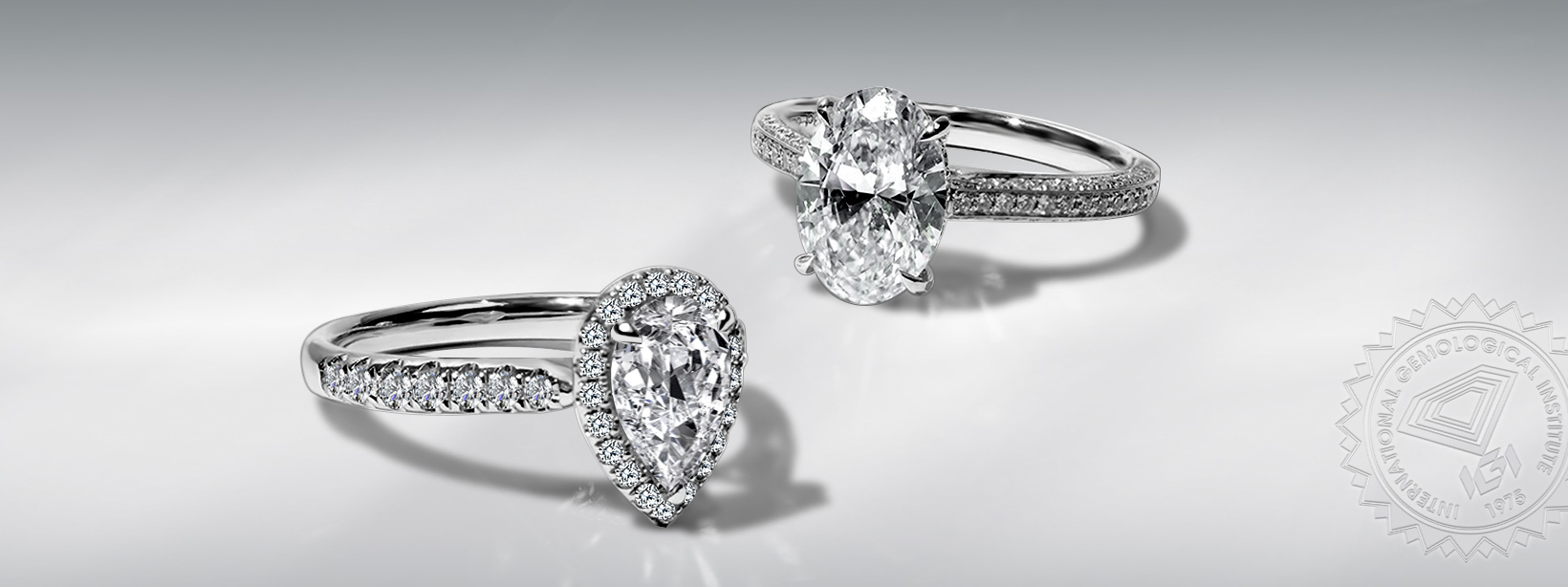
Choosing the right metal for a ring holds significant importance. The platinum and gold ring metal affects the ring's appearance, durability, and overall value. Understanding the differences between platinum and gold is crucial. Each platinum & gold ring metal offers unique advantages and considerations. Platinum provides high-end durability and hypoallergenic properties. Gold offers versatility in design and cultural significance. Weighing these factors helps in making an informed decision that aligns with personal preferences and lifestyle.
Properties of Platinum & Gold Rings
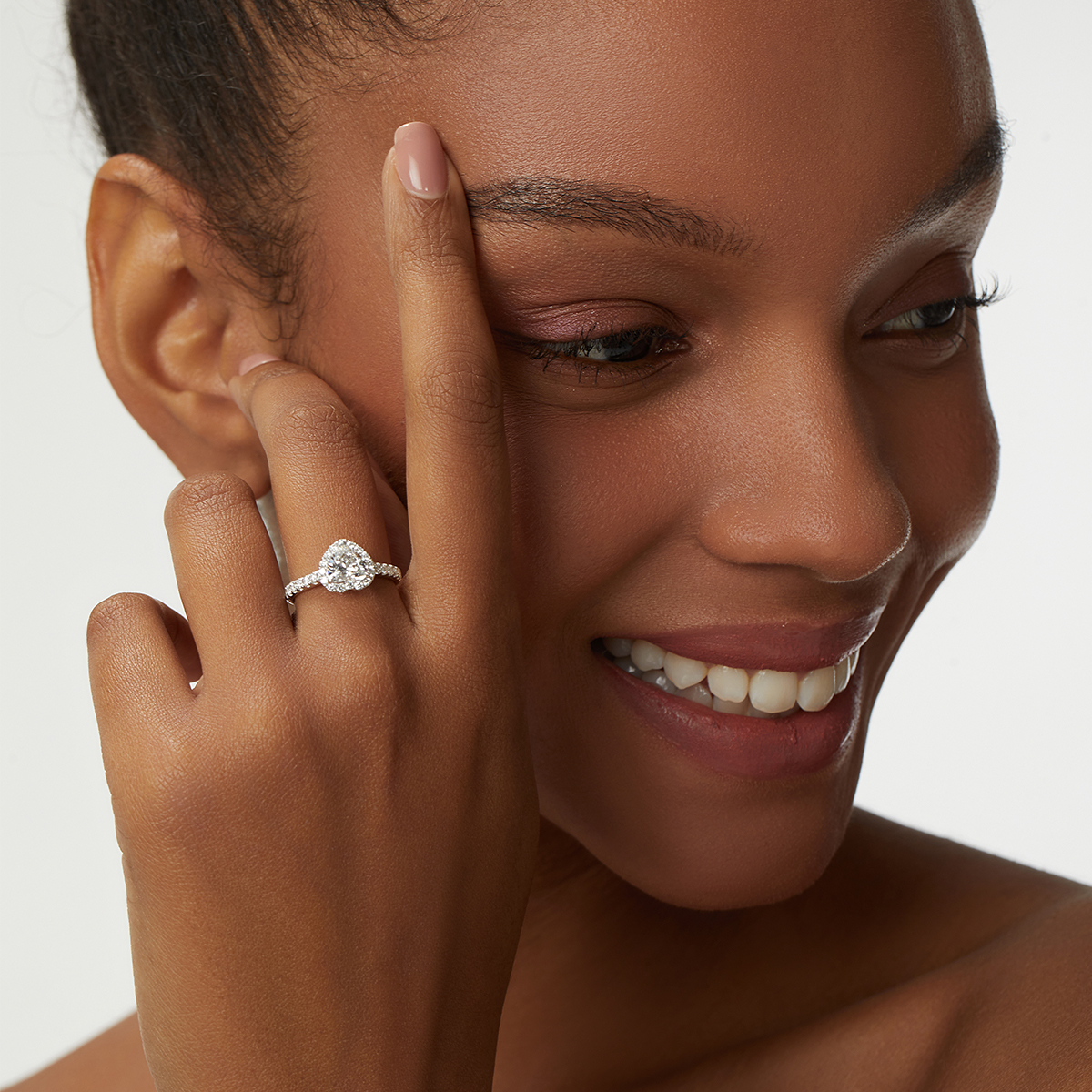
Composition
Platinum Composition
Platinum rings consist of 95% pure platinum. This high purity level contributes to the metal's hypoallergenic properties and durability. The remaining 5% typically includes other metals like iridium or ruthenium, which enhance the ring's strength and workability.
Gold Composition
Gold rings come in various purities, commonly measured in karats. An 18k gold ring contains 75% pure gold and 25% alloy metals such as copper, silver, or palladium. These alloys increase the ring's hardness and alter its color. For instance, white gold includes a rhodium plating to achieve its white appearance.
Physical Characteristics
Color and Appearance
Platinum rings have a naturally white, silvery sheen that does not fade over time. This inherent color eliminates the need for additional plating. In contrast, gold rings offer a variety of colors, including yellow, white, and rose. Yellow gold retains its classic yellow hue, while white gold achieves its color through alloying and rhodium plating. Rose gold gets its pinkish tint from a higher copper content.
Weight and Density
Platinum rings are denser and heavier than gold rings. Platinum's density makes it about 20% heavier than 18k white gold. This substantial weight provides a sturdy and luxurious feel. On the other hand, gold rings are lighter, making them more comfortable for those who prefer less weight on their fingers.
Chemical Properties
Reactivity
Platinum exhibits excellent resistance to corrosion and tarnish, maintaining its appearance over time. This low reactivity makes platinum an ideal choice for long-lasting jewelry. Gold, particularly in lower karat forms, can react with chemicals and develop tarnish or discoloration. However, higher karat gold, such as 18k, shows better resistance to these issues.
Hypoallergenic Properties
Platinum rings are highly hypoallergenic due to their high purity. This makes platinum suitable for individuals with sensitive skin or metal allergies. In contrast, gold rings may cause allergic reactions in some people, especially if they contain nickel or other reactive alloys. White gold, in particular, often includes nickel, which can trigger skin irritation.
Advantages of Platinum Rings
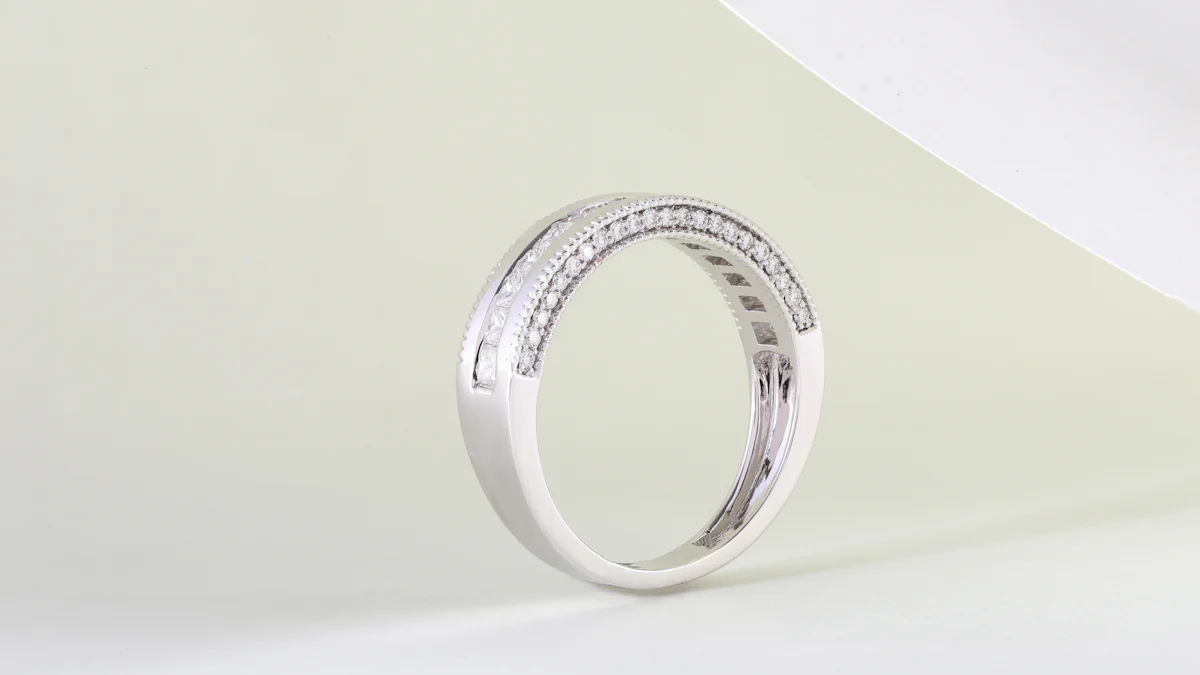
Durability and Strength
Resistance to Wear and Tear
Platinum rings exhibit exceptional resistance to wear and tear. The dense nature of platinum makes it less prone to scratches compared to gold. This durability ensures that a platinum & gold ring maintains its pristine appearance over time. Platinum's robust structure also provides better protection for gemstones, reducing the risk of damage.
Longevity
Platinum rings offer remarkable longevity. The metal's inherent strength allows it to withstand daily wear without significant degradation. Unlike gold, which may require frequent maintenance, platinum retains its integrity for many years. This longevity makes platinum an ideal choice for those seeking a lasting investment in their jewelry.
Aesthetic Appeal
Natural White Luster
Platinum rings possess a natural white luster that remains consistent over time. This metal does not require additional plating to maintain its color. The natural sheen of platinum enhances the brilliance of diamonds and other gemstones. This characteristic sets platinum apart from white gold, which often needs rhodium plating to achieve a similar appearance.
Patina Development
Over time, platinum develops a unique patina. This soft, matte finish adds character and depth to the ring. Many people appreciate this distinctive look, as it signifies the ring's journey and history. The patina can be polished away if a shiny finish is preferred, offering versatility in appearance.
Hypoallergenic Nature
Suitability for Sensitive Skin
Platinum's hypoallergenic properties make it an excellent choice for individuals with sensitive skin. The high purity of platinum minimizes the risk of allergic reactions. Unlike some gold alloys that contain nickel, platinum does not cause irritation. This makes a platinum & gold ring suitable for those who experience discomfort with other metals.
Advantages of Gold Rings
Versatility in Design
Variety of Colors (Yellow, White, Rose)
Gold rings offer a wide range of color options. Yellow gold provides a classic and timeless appeal. White gold achieves its color through alloying and rhodium plating, giving it a sleek and modern look. Rose gold gets its unique pinkish tint from a higher copper content, adding a romantic touch to any ring design.
Customization Options
Gold's malleability allows for extensive customization. Jewelers can easily shape and mold gold into intricate designs. This flexibility makes gold an ideal choice for those seeking personalized and unique jewelry pieces. The ability to combine different gold colors in one ring further enhances customization possibilities.
Cost-Effectiveness
Initial Cost
Gold rings generally have a lower initial cost compared to platinum rings. The price of gold varies based on its purity level. For instance, 14k gold contains 58.5% pure gold, making it more affordable than 18k gold, which contains 75% pure gold. This cost-effectiveness makes gold a popular choice for budget-conscious buyers.
Resale Value
Gold rings often retain significant resale value. The global demand for gold ensures that gold jewelry remains a valuable asset. Higher purity levels, such as 18k gold, tend to fetch better prices in the resale market. This aspect adds an investment dimension to purchasing gold rings.
Cultural and Historical Significance
Traditional Symbolism
Gold has held cultural and historical significance for centuries. Many cultures view gold as a symbol of wealth, prosperity, and eternal love. This traditional symbolism makes gold rings a meaningful choice for engagement and wedding bands. The timeless appeal of gold ensures that it remains a cherished metal for significant life events.
Popularity in Various Cultures
Gold enjoys widespread popularity across different cultures. In many societies, gold rings play a central role in wedding ceremonies and other important rituals. The versatility of gold allows it to blend seamlessly with various cultural aesthetics. This universal appeal makes gold a favored choice for people around the world.
Disadvantages of Platinum Rings
Higher Cost
Initial Purchase Price
Platinum rings come with a higher initial purchase price. The rarity and density of platinum contribute to its elevated cost. Consumers often find platinum rings priced significantly higher than gold rings. This price difference can range from $800 to $1200 more for platinum engagement rings compared to gold counterparts. The substantial investment required for a platinum & gold ring may deter budget-conscious buyers.
Maintenance Costs
Maintaining a platinum ring can incur additional costs. Although platinum boasts durability, it develops a patina over time. Some individuals prefer to polish the patina to restore the ring's original shine. Professional polishing services add to the overall maintenance expenses. Regular upkeep ensures the ring retains its aesthetic appeal but increases long-term costs.
Weight
Heaviness Compared to Gold
Platinum rings are heavier compared to gold rings. The density of platinum makes it approximately 20% heavier than 18k white gold. This added weight provides a substantial and luxurious feel but may not suit everyone. Some individuals find the heaviness uncomfortable for daily wear. The preference for lighter jewelry often leads consumers to choose gold over platinum.
Disadvantages of Gold Rings
Durability Issues
Susceptibility to Scratches and Dents
Gold rings exhibit a higher susceptibility to scratches and dents. The softness of gold, especially in higher karat forms, makes it more prone to damage. Daily wear can lead to visible marks and imperfections on the ring's surface. Frequent maintenance may be necessary to keep the ring looking pristine.
Alloy Composition and Strength
The strength of gold rings depends on their alloy composition. Lower karat gold, such as 14k, contains more alloy metals, which increase hardness. However, higher karat gold, like 18k, has a higher gold content and is softer. This softness can compromise the ring's durability. The choice of alloy metals also affects the ring's overall strength and longevity.
Potential Allergic Reactions
Reactions to Alloy Metals
Gold rings can cause allergic reactions in some individuals. The presence of alloy metals, such as nickel, copper, or silver, can trigger skin sensitivities. White gold often contains nickel, which is a common allergen. Individuals with metal allergies may experience irritation or discomfort when wearing gold rings. Choosing hypoallergenic options, like platinum, can help avoid these issues.
Expert Opinions and Practical Advice
Insights from Jewelers
Recommendations Based on Usage
Jewelers often recommend platinum rings for those seeking durability. Platinum's density provides excellent protection for gemstones. This makes platinum ideal for daily wear. Gold rings, however, offer versatility in design. Jewelers suggest gold for those who prefer a variety of colors and customization options. The choice between platinum and gold depends on individual lifestyle and preferences.
Tips for Maintenance
Maintaining both platinum and gold rings involves regular cleaning. Jewelers advise using mild soap and warm water. A soft brush helps remove dirt and grime. For platinum rings, re-polishing can restore the original shine. Do Amore, an expert in ring maintenance, offers free lifetime polishing for their rings. This service ensures that platinum and gold rings remain in excellent condition over time.
Real-Life Stories
Customer Experiences
Many customers share positive experiences with both platinum and gold rings. One customer noted the longevity of a platinum ring. The ring maintained its luster even after years of daily wear. Another customer appreciated the customization options available with gold. The ability to choose different colors and designs made the gold ring unique and personal.
Testimonials
Testimonials highlight the benefits of both metals. A satisfied customer praised the hypoallergenic properties of platinum. The ring caused no skin irritation, making it perfect for sensitive skin. Another testimonial emphasized the cultural significance of gold. The gold ring symbolized tradition and heritage, adding sentimental value to the purchase.
Frequently Asked Questions (FAQs)
Common Concerns
Which Metal is Better for Daily Wear?
Platinum rings suit daily wear due to their durability. The dense nature of platinum resists scratches and wear. Gold rings, especially those with lower karat, may scratch more easily. Platinum's hypoallergenic properties also make it ideal for individuals with sensitive skin. For those seeking a ring that maintains its appearance over time, platinum offers a reliable choice.
How to Care for Platinum and Gold Rings?
Proper care ensures the longevity of both platinum and gold rings. Clean rings regularly using mild soap and warm water. A soft brush helps remove dirt and grime. Platinum rings may develop a patina, which can be polished by a professional jeweler. Gold rings, especially white gold, may require re-plating to maintain their color. Regular maintenance preserves the beauty and integrity of both metals.
Specific Scenarios
Best Choice for Engagement Rings
Platinum often emerges as the preferred choice for engagement rings. The metal's strength provides excellent protection for gemstones. Platinum's natural white luster enhances the brilliance of diamonds. Gold, however, offers versatility in design and color. For those desiring a unique or customized ring, gold presents numerous options. The decision ultimately depends on personal preferences and lifestyle.
Considerations for Allergies
Individuals with metal allergies should consider platinum rings. Platinum's high purity minimizes the risk of allergic reactions. Gold rings, particularly white gold, may contain nickel, which can cause skin irritation. For those with sensitive skin, platinum offers a hypoallergenic alternative. Consulting with a professional jeweler helps identify the best metal for individual needs.
