4Cs of Diamonds: A Comprehensive Buying Guide

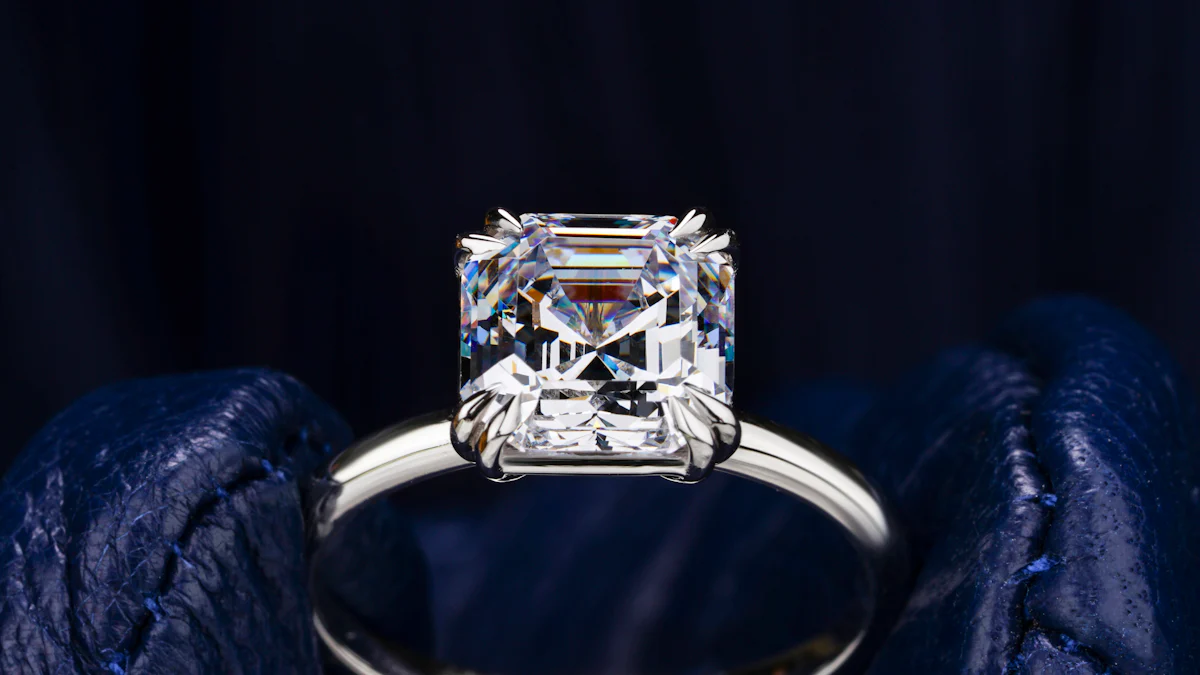
Understanding the 4Cs for diamond buying is crucial. The 4Cs—cut, color, clarity, and carat—determine a diamond's quality and value. Each C plays an integral role in assessing the stone. The cut influences sparkle. Color affects appearance. Clarity measures purity. Carat determines size. Knowing these factors helps buyers make informed decisions and avoid overspending.
Understanding the 4Cs for Diamonds
Cut
What is Diamond Cut?
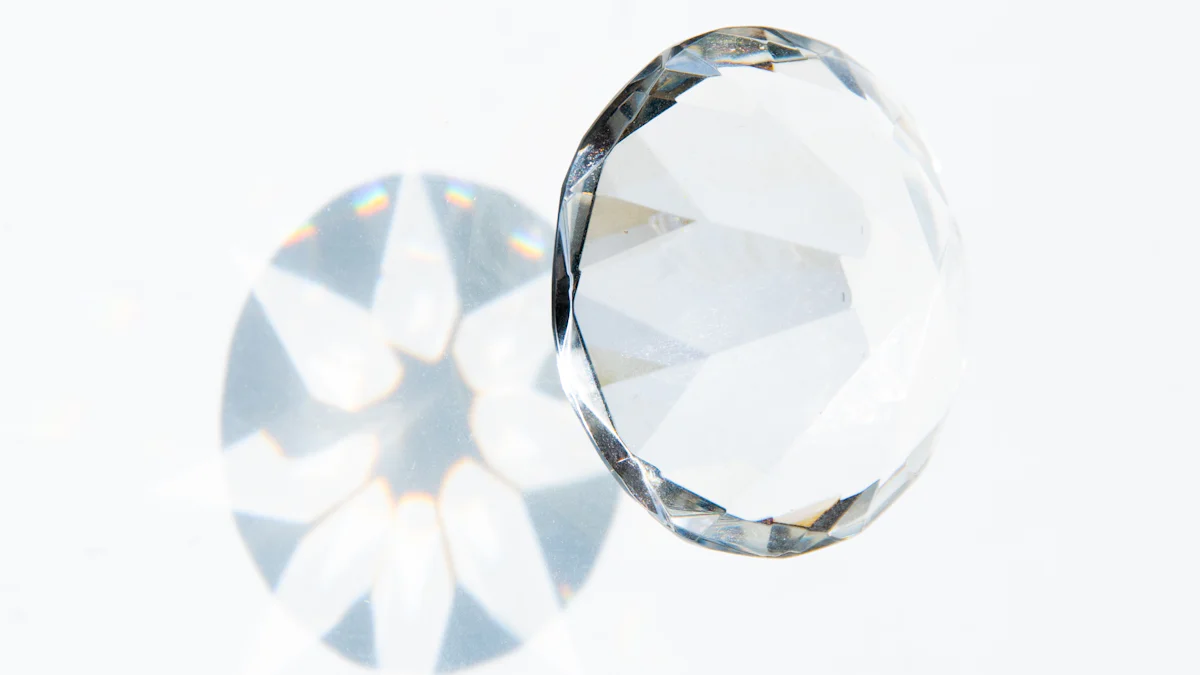
The cut of a diamond refers to how well a diamond's facets interact with light. The cut affects a diamond's brilliance, fire, and scintillation. A well-cut diamond reflects light internally from one facet to another and disperses it through the top of the stone. The cut is crucial because it determines the sparkle and overall appearance of the diamond.
Types of Diamond Cuts
Diamonds come in various cuts, each offering unique characteristics:
Round Brilliant: The most popular cut, known for its exceptional sparkle.
Princess: Square or rectangular shape with pointed corners.
Emerald: Rectangular with step cuts and an open table.
Asscher: Similar to emerald but square-shaped.
Marquise: Football-shaped with pointed ends.
Oval: Elongated round shape, offering a larger appearance.
Pear: Teardrop shape, combining round and marquise cuts.
Cushion: Square or rectangular with rounded corners and large facets.
Radiant: Square or rectangular with trimmed corners and brilliant-cut facets.
Evaluating Diamond Cut Quality
Evaluating the quality of a diamond's cut involves examining its proportions, symmetry, and polish. The Gemological Institute of America (GIA) grades diamond cuts on a scale from Excellent to Poor. An excellent cut maximizes the diamond's light performance, resulting in superior brilliance and fire. A poorly cut diamond may appear dull, even if it has high color and clarity grades.
Color
Understanding Diamond Color
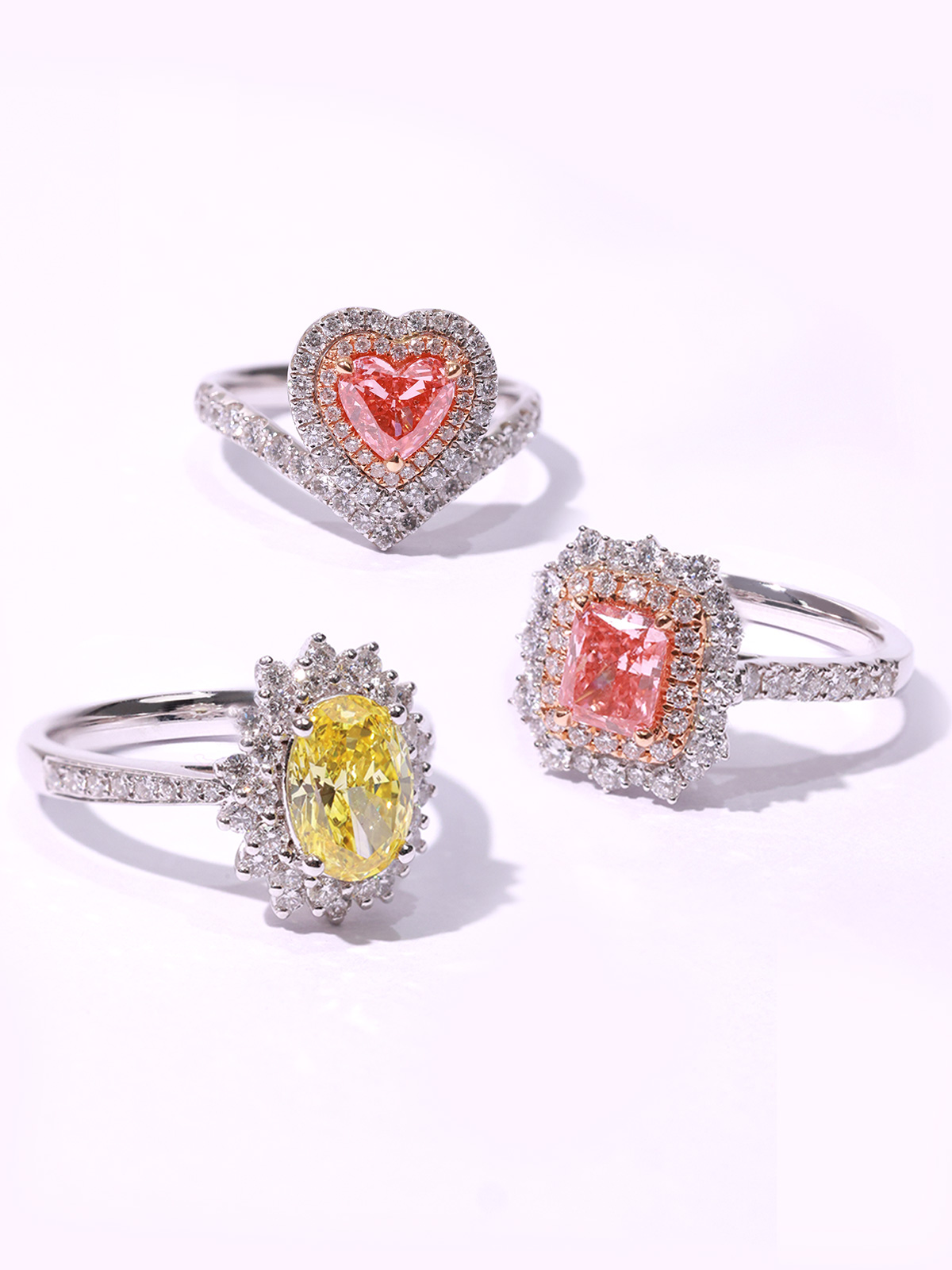
Diamond color refers to the presence of any hue in a diamond. The GIA grades diamond color on a scale from D (colorless) to Z (light yellow or brown). Colorless diamonds are rare and highly valued. The less color a diamond has, the higher its value.
Common Diamond Colors
Most diamonds used in jewelry range from colorless to near-colorless, with slight hints of yellow or brown. Here are some common color grades:
D-F: Colorless, rare, and highly valuable.
G-J: Near-colorless, good value with slight traces of color.
K-M: Faint color, noticeable tint visible to the naked eye.
N-R: Very light color, more apparent tint.
S-Z: Light color, noticeable tint.
Tips for Choosing Diamond Color
When choosing diamond color, consider the setting and metal type. White gold or platinum settings enhance colorless diamonds, while yellow gold can mask slight tints. For budget-conscious buyers, near-colorless diamonds (G-J) offer a good balance between appearance and value. Always view diamonds under different lighting conditions to see their true color.
Clarity
What is Diamond Clarity?
Diamond clarity measures the presence of internal inclusions and external blemishes. Inclusions are natural imperfections formed during the diamond's creation. Blemishes occur on the diamond's surface. Clarity affects a diamond's brilliance and overall appearance.
Clarity Grading Scale
The GIA grades diamond clarity on a scale from Flawless (FL) to Included (I):
FL: No inclusions or blemishes visible under 10x magnification.
IF: Internally flawless, minor surface blemishes.
VVS1-VVS2: Very, very slightly included, difficult to see under 10x magnification.
VS1-VS2: Very slightly included, minor inclusions visible under 10x magnification.
SI1-SI2: Slightly included, noticeable inclusions under 10x magnification.
I1-I3: Included, obvious inclusions affecting transparency and brilliance.
Tips for Choosing Diamond Clarity
To choose the best clarity, consider the diamond's size and setting. Smaller diamonds hide inclusions better than larger ones. Prong settings can conceal minor inclusions. The best value lies in the VS2 and SI1 grades, which are typically "eye-clean" and more affordable than higher grades. Always inspect diamonds personally to ensure satisfaction with their clarity.
Carat
Understanding Diamond Carat
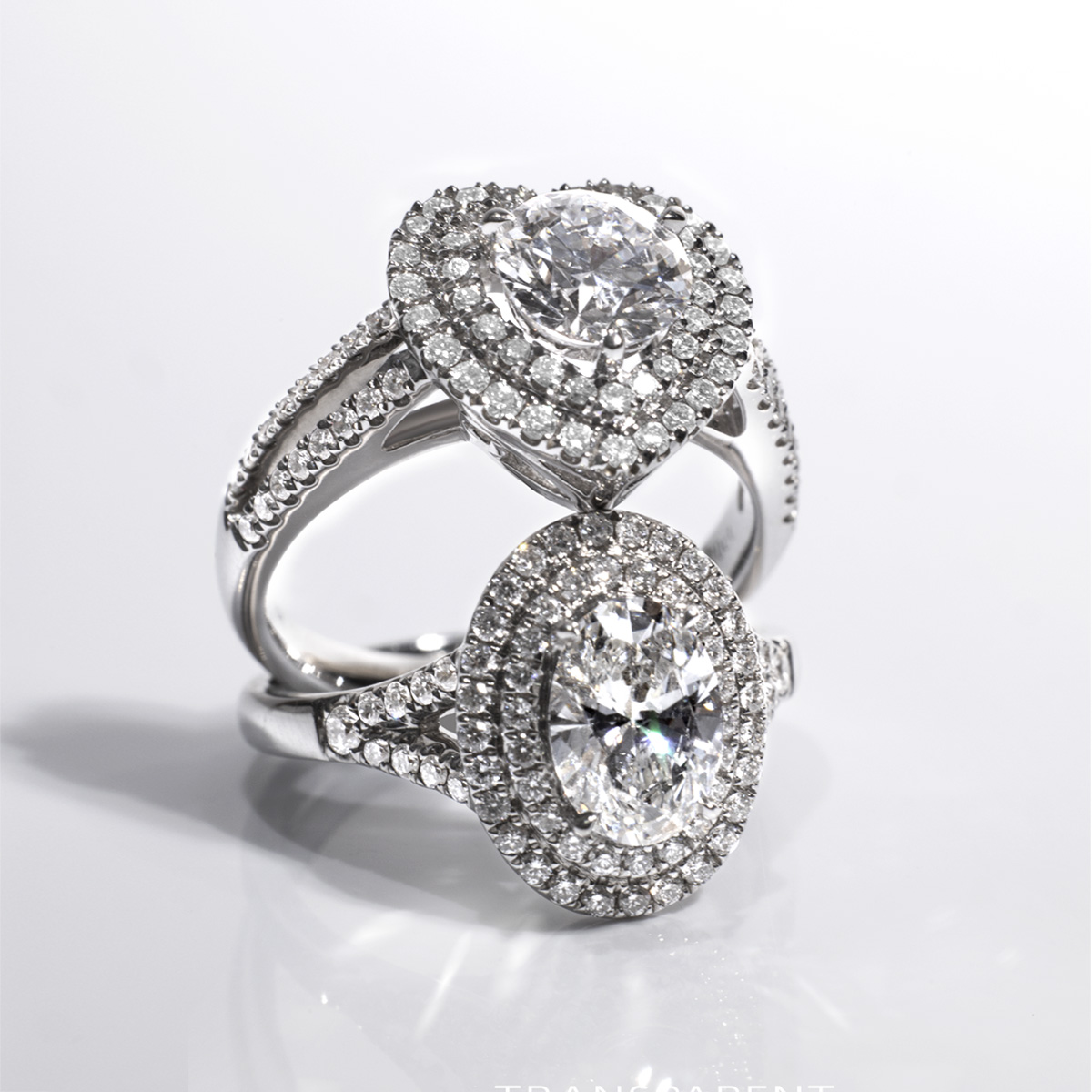
The carat of a diamond measures its weight. One carat equals 200 milligrams. The carat weight significantly impacts the diamond's size and value. Larger diamonds are rarer, making them more valuable. However, carat weight alone does not determine a diamond's beauty. Other factors like cut, color, and clarity also play crucial roles.
Carat vs. Perceived Size
A diamond's perceived size can differ from its actual carat weight. The cut quality affects how large a diamond appears. For example, a well-cut diamond with excellent proportions may look larger than a poorly cut diamond of the same carat weight. Different shapes also influence perceived size. An oval or marquise cut can appear larger than a round cut of the same weight. Buyers should consider both carat weight and cut quality to maximize the diamond's visual impact.
Budgeting for Carat Weight
Budgeting for carat weight involves balancing size with other quality factors. Larger diamonds with high grades in cut, color, and clarity command premium prices. Buyers on a budget can opt for slightly lower grades without sacrificing overall beauty. Choosing a carat weight just below popular thresholds (e.g., 0.9 carats instead of 1 carat) can offer significant savings. Always prioritize cut quality, as it enhances the diamond's brilliance and perceived size.
Understanding the 4Cs for diamond buying is essential. Each C—cut, color, clarity, and carat—plays a crucial role in determining a diamond's overall quality and value. Buyers should consider all four factors to make an informed decision.
Final tips include:
Prioritize cut quality for maximum brilliance.
Choose near-colorless diamonds for better value.
Opt for "eye-clean" clarity grades.
Balance carat weight with other quality factors.
These considerations will help buyers select a beautiful and valuable diamond confidently.
