How Much Does a 0.3 Carat Diamond Cost?

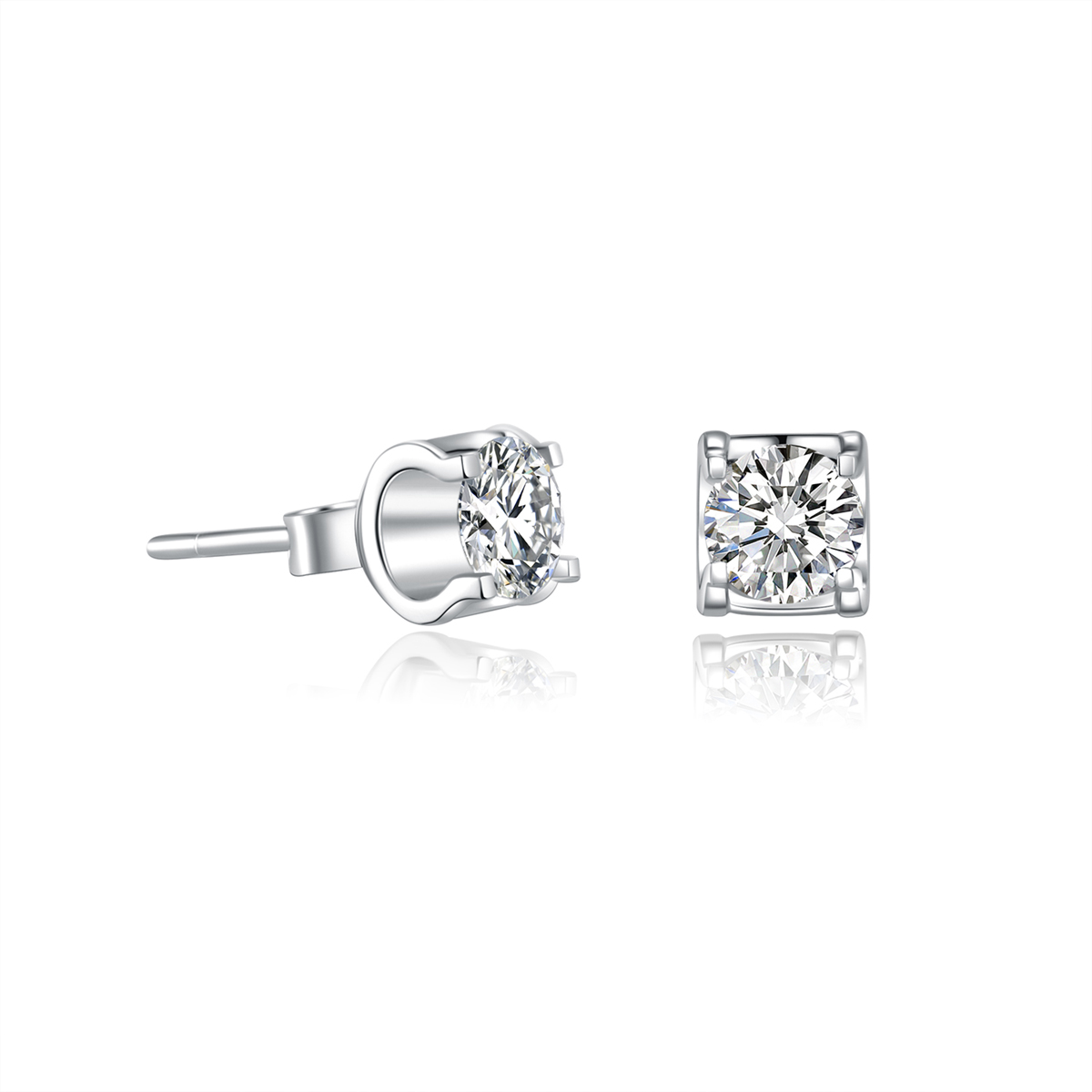
Diamond carat weight holds significant importance in determining a diamond's value. A 0.3 carat diamond has gained popularity due to its balance between size and affordability. Understanding the factors that influence the 0.3 carat diamond price is crucial for making informed purchasing decisions.
Understanding Diamond Carat Weight
What is Carat Weight?
Definition and Measurement
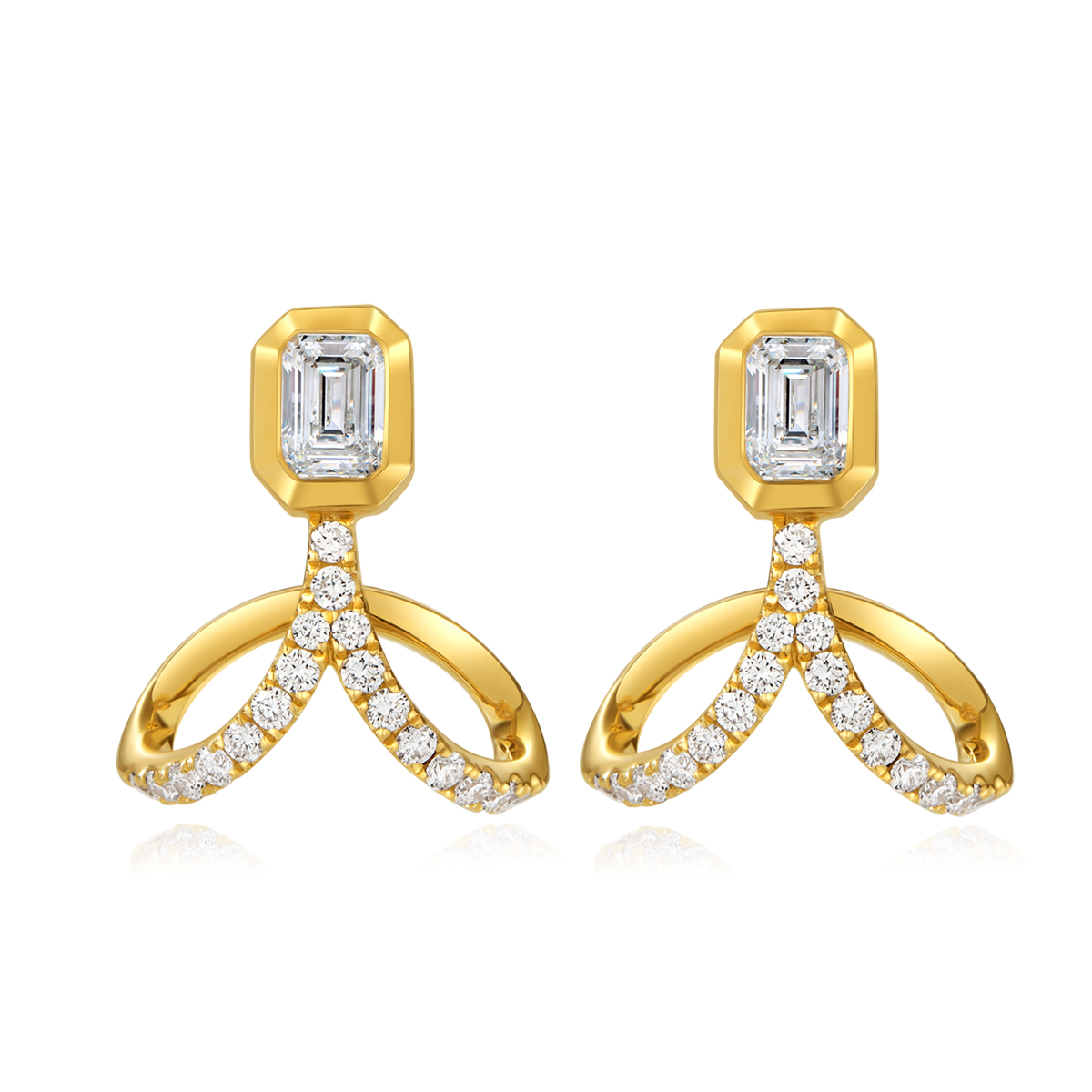
Carat weight measures the mass of a diamond. One carat equals 200 milligrams. Jewelers use precise electronic balances to measure carat weight accurately. The size of a 0.3 carat diamond typically ranges from 4 to 4.45 millimeters in diameter.
Importance in Pricing
Carat weight significantly impacts diamond pricing. Larger diamonds are rarer, which makes them more valuable. The price per carat increases as the carat weight increases. Therefore, a slight difference in carat weight can lead to a substantial change in price.
Comparison with Other Carat Weights
0.3 Carat vs. 0.5 Carat
A 0.3 carat diamond offers a balance between size and affordability. In contrast, a 0.5 carat diamond is larger and more expensive. The price difference arises because larger diamonds are rarer. Both sizes can be suitable for various jewelry designs.
0.3 Carat vs. 1 Carat
A 1 carat diamond is significantly larger than a 0.3 carat diamond. The price of a 1 carat diamond is much higher due to its rarity. While a 0.3 carat diamond provides an affordable option, a 1 carat diamond often symbolizes luxury and status.
The 4Cs and Their Impact on Cost
Carat
How Carat Weight Affects Price
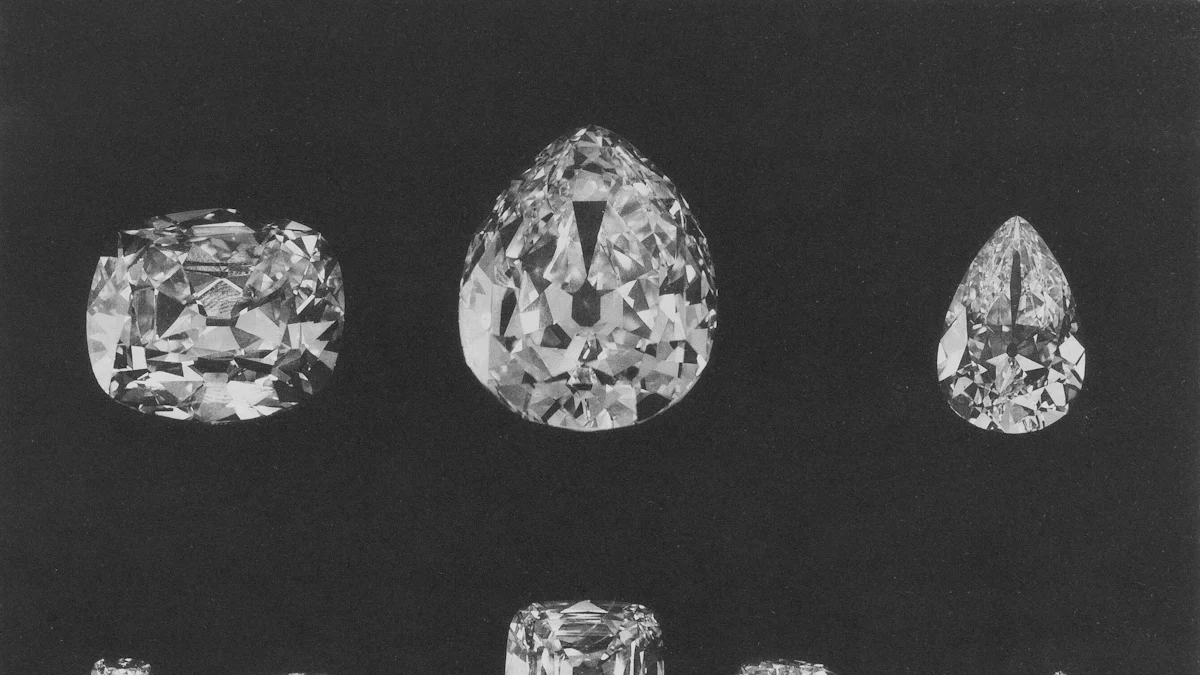
Carat weight plays a crucial role in determining the price of a diamond. Larger diamonds are rarer, which makes them more valuable. The price per carat increases as the carat weight increases. A 0.3 carat diamond can range in price from $378 to $967, depending on other factors such as cut, color, and clarity.
Cut
Quality of Cut and Its Influence on Cost
The quality of a diamond's cut significantly affects its price. A well-cut diamond reflects light beautifully, enhancing its brilliance and overall appearance. Poorly cut diamonds appear dull and less attractive. The cut quality can influence the price of a 0.3 carat diamond by hundreds of dollars.
Popular Cut Styles for 0.3 Carat Diamonds
Several cut styles are popular for 0.3 carat diamonds. Round brilliant cuts are highly sought after for their exceptional sparkle. Princess cuts offer a modern, square shape that appeals to many buyers. Oval and pear-shaped cuts provide unique options for those seeking something different.
Color
Color Grading Scale
Diamonds are graded on a color scale ranging from D (colorless) to Z (light yellow or brown). Colorless diamonds are the most valuable because they allow more light to pass through, enhancing brilliance. Slight color differences can significantly impact a diamond's price.
Impact of Color on Price
The color grade of a diamond affects its price. A 0.3 carat diamond with a higher color grade (D-F) will cost more than one with a lower color grade (G-J). For example, a colorless 0.3 carat diamond may cost around $2,000, while a near-colorless one may be priced closer to $500.
Clarity
Clarity Grading Scale
Clarity refers to the presence of internal or external imperfections in a diamond. Gemologists use a clarity grading scale to assess these imperfections. The scale ranges from Flawless (FL) to Included (I). Flawless diamonds have no inclusions or blemishes visible under 10x magnification. Included diamonds have noticeable imperfections that may affect transparency and brilliance.
The clarity grades include:
Flawless (FL): No inclusions or blemishes visible under 10x magnification.
Internally Flawless (IF): No inclusions visible under 10x magnification; only minor surface blemishes.
Very, Very Slightly Included (VVS1 and VVS2): Minute inclusions difficult to see under 10x magnification.
Very Slightly Included (VS1 and VS2): Minor inclusions visible under 10x magnification.
Slightly Included (SI1 and SI2): Noticeable inclusions visible under 10x magnification.
Included (I1, I2, and I3): Obvious inclusions that may affect transparency and brilliance.
Common Inclusions in 0.3 Carat Diamonds
Inclusions are natural imperfections within diamonds. Common inclusions in 0.3 carat diamonds include crystals, feathers, and clouds. Crystals are small mineral deposits inside the diamond. Feathers are internal cracks that resemble feathers. Clouds are groups of tiny inclusions that create a hazy appearance.
Inclusions impact the diamond's appearance and value. Higher clarity grades command higher prices. For example, a 0.3 carat diamond with a VVS1 clarity grade may cost significantly more than one with an SI2 clarity grade. Buyers should consider clarity when evaluating diamond quality and price.
Market Trends and Pricing
Current Market Trends
Demand for 0.3 Carat Diamonds
The demand for 0.3 carat diamonds has seen a steady increase. Many buyers prefer this size due to its balance between affordability and visual appeal. Jewelers report that 0.3 carat diamonds often serve as a popular choice for engagement rings and other fine jewelry. The consistent demand helps stabilize the 0.3 carat diamond price in the market.
Seasonal Price Fluctuations
Seasonal trends significantly influence the 0.3 carat diamond price. During peak wedding seasons, such as spring and summer, prices tend to rise due to increased demand. The holiday season also sees a surge in diamond purchases, leading to higher prices. Conversely, off-peak seasons may offer better deals as demand decreases.
0.3 Carat Diamond Price Ranges
Average Cost of 0.3 Carat Diamonds
The average cost of a 0.3 carat diamond ranges from $378 to $967. Several factors, including cut, color, and clarity, determine the final price. High-quality diamonds with excellent attributes can command prices at the higher end of the spectrum. Buyers should consider these factors when evaluating the 0.3 carat diamond price.
Factors Leading to Price Variations
Several factors contribute to variations in the 0.3 carat diamond price:
Cut Quality: A well-cut diamond reflects light beautifully, enhancing its brilliance. Poorly cut diamonds appear dull and less attractive.
Color Grade: Diamonds with higher color grades (D-F) cost more than those with lower grades (G-J).
Clarity Grade: Higher clarity grades, such as VVS1 or VVS2, command higher prices due to fewer inclusions.
Market Demand: Increased demand during peak seasons can drive up prices.
Understanding these factors helps buyers make informed decisions and find the best value for their investment.
Additional Costs to Consider
Certification
Importance of Certification
Certification plays a vital role in the diamond purchasing process. A certified diamond comes with a grading report from a reputable gemological laboratory. This report provides detailed information about the diamond's characteristics, including carat weight, cut, color, and clarity. Certification ensures that buyers receive accurate and unbiased information about the diamond's quality. Certified diamonds often command higher prices due to the assurance of authenticity and quality.
Common Certification Bodies
Several well-known organizations provide diamond certification. The Gemological Institute of America (GIA) is one of the most respected certification bodies. GIA reports are highly regarded for their accuracy and consistency. Another reputable organization is the American Gem Society (AGS), known for its strict grading standards. The International Gemological Institute (IGI) also offers reliable certification services. Buyers should look for diamonds certified by these or other reputable organizations to ensure quality and value.
Setting and Mounting
Types of Settings
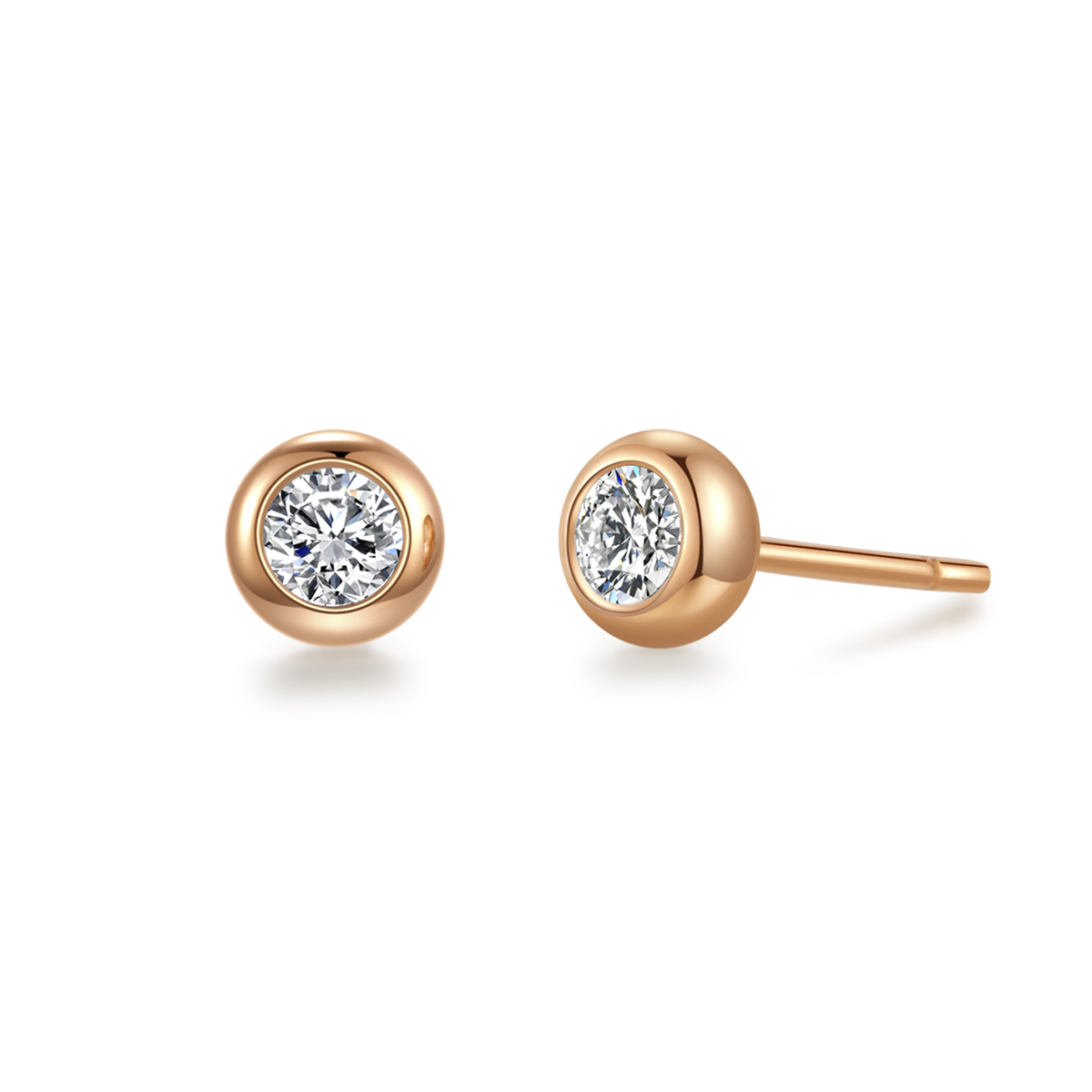
The setting of a diamond refers to how the diamond is mounted in a piece of jewelry. Different types of settings can enhance the diamond's appearance and protect it from damage. Popular settings include:
Prong Setting: Uses metal prongs to hold the diamond in place, allowing maximum light to enter and enhance brilliance.
Bezel Setting: Encircles the diamond with a metal rim, providing excellent protection and a sleek look.
Pavé Setting: Features small diamonds set closely together, creating a continuous sparkle across the surface.
Channel Setting: Places diamonds between two metal channels, offering a secure and modern appearance.
Each setting type offers unique advantages and aesthetic appeal, influencing the overall look of the jewelry.
Cost Implications of Different Settings
The choice of setting can significantly impact the overall cost of a diamond ring or other jewelry. Prong settings are often more affordable due to their simplicity. Bezel settings may cost more because they require additional metal and craftsmanship. Pavé and channel settings can also increase the price due to the added labor and extra diamonds used. Buyers should consider both the aesthetic preferences and budget when selecting a setting. Understanding the cost implications helps in making an informed decision and finding the best value for the investment.
Several factors influence the 0.3 carat diamond price. These include carat weight, cut quality, color grade, and clarity grade. Buyers should consider all aspects before making a purchase. Certification from reputable organizations like the Gemological Institute of America (GIA) ensures the diamond's authenticity and quality. Expert advice and thorough research will help buyers make informed decisions.
